
Martinez, California
Martinez is the county seat of Contra Costa County in the East Bay, located on the south shore of the Carquinez Strait. Noted for its historic downtown, waterfront, and preserved cultural sites.
Martinez is a city in the San Francisco Bay Area, located on the south shore of the Carquinez Strait. It serves as the county seat of Contra Costa County and is part of the East Bay subregion of the San Francisco Bay Area. According to the 2010 census, the city had a population of about 35,824 (2010 census). Martinez combines a working waterfront and county government services with a compact historic downtown.
Image gallery
10 Images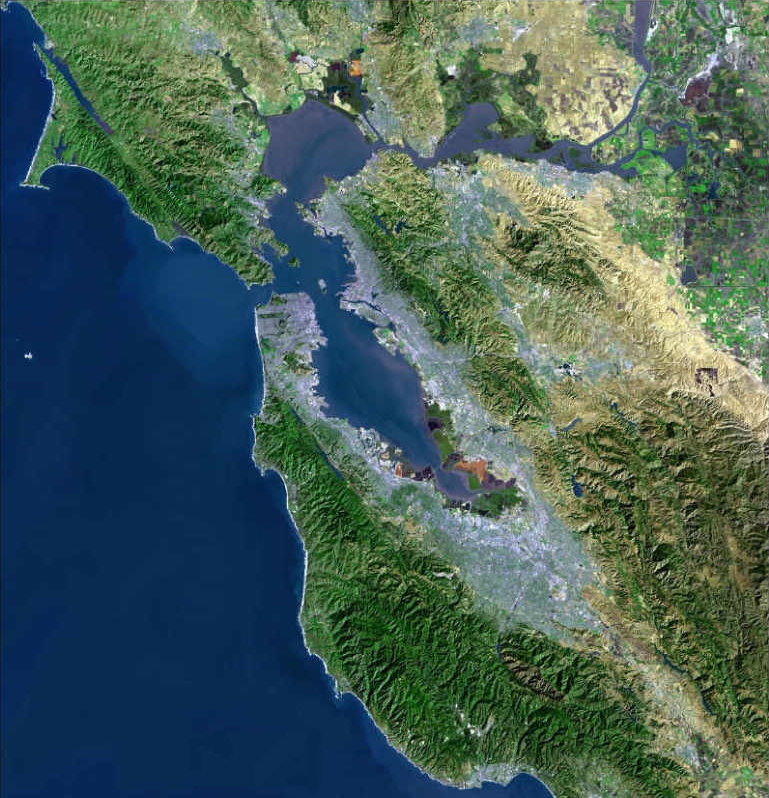




Geography and setting
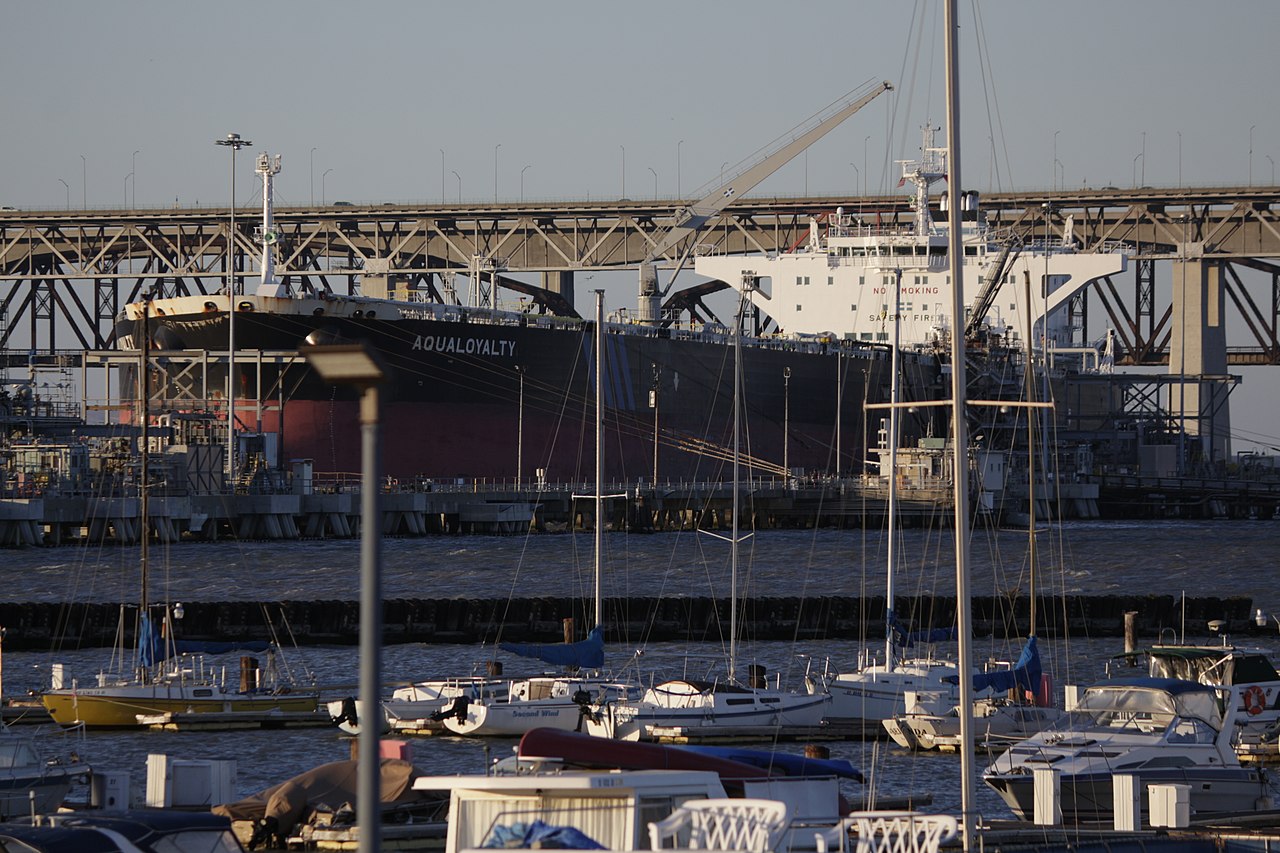
Martinez sits where inland waterways meet the greater bay, a setting that shaped its development as a transportation and shipping point. The city’s shoreline includes marinas, levees and shoreline parks that provide views across the Carquinez Strait. Its location in the East Bay gives Martinez relatively mild weather, with cool wet winters and warm, drier summers typical of coastal northern California.
History and origins
The area now called Martinez was occupied for millennia by indigenous peoples before European contact. During the 19th century it developed under Spanish and Mexican influence and later American administration. The town grew around ranching, ferry crossings and river-related commerce, and many of its oldest buildings date to that period. The city’s name reflects the Californio and rancho-era families that owned and settled the land.
Downtown, culture and landmarks
Martinez’s downtown is notable for a concentration of 19th- and early-20th-century buildings, antique stores, cafés and locally owned shops. Preservation efforts have retained much of the historic character, making Main Street a focus for walking tours and community events. The city also preserves several historic homes and sites associated with regional figures in environmentalism and early California history.
- John Muir National Historic Site (the home of the naturalist is preserved and interpreted)
- Martinez Waterfront and marina areas
- Main Street historic district with antique shops and restaurants
- County government buildings and civic spaces
Economy, transportation and civic role
As the county seat, Martinez hosts administrative and judicial offices that anchor much of its daytime economy. The city is connected to neighboring communities by regional highways, commuter rail and local roads, and its waterfront supports recreation and small commercial activity. A historic rail station and bus links provide commuter access to larger employment centers in the Bay Area.
Distinctive features and importance
Martinez is often appreciated for its mix of civic functions and small-city character: the presence of county government gives it regional relevance, while its preserved downtown and shoreline offer local identity and tourism appeal. Outdoor recreation along the water, historic architecture, and sites associated with conservation history contribute to Martinez’s reputation as a distinctive East Bay community.
For further local and regional context, readers can consult county resources, regional planning agencies and historical organizations that document Martinez’s development and ongoing preservation efforts.
Related articles
Author
AlegsaOnline.com Martinez, California Leandro Alegsa
URL: https://en.alegsaonline.com/art/62398
Sources
- naco.org : "Find a County" · web.archive.org