
Marshall County, Iowa — overview, history, geography and community
Marshall County in central Iowa, founded in 1846 with county seat Marshalltown, combines agriculture, manufacturing, local government services and community life; population was 40,648 in 2010.
Overview
Marshall County is a county in central Iowa. It functions as a local government unit providing services such as law enforcement, courts, public records, road maintenance and land use regulation. The county seat and largest city is Marshalltown, which serves as the county's commercial and civic center. The county combines rural agricultural areas with small towns and residential neighborhoods.
Image gallery
2 Images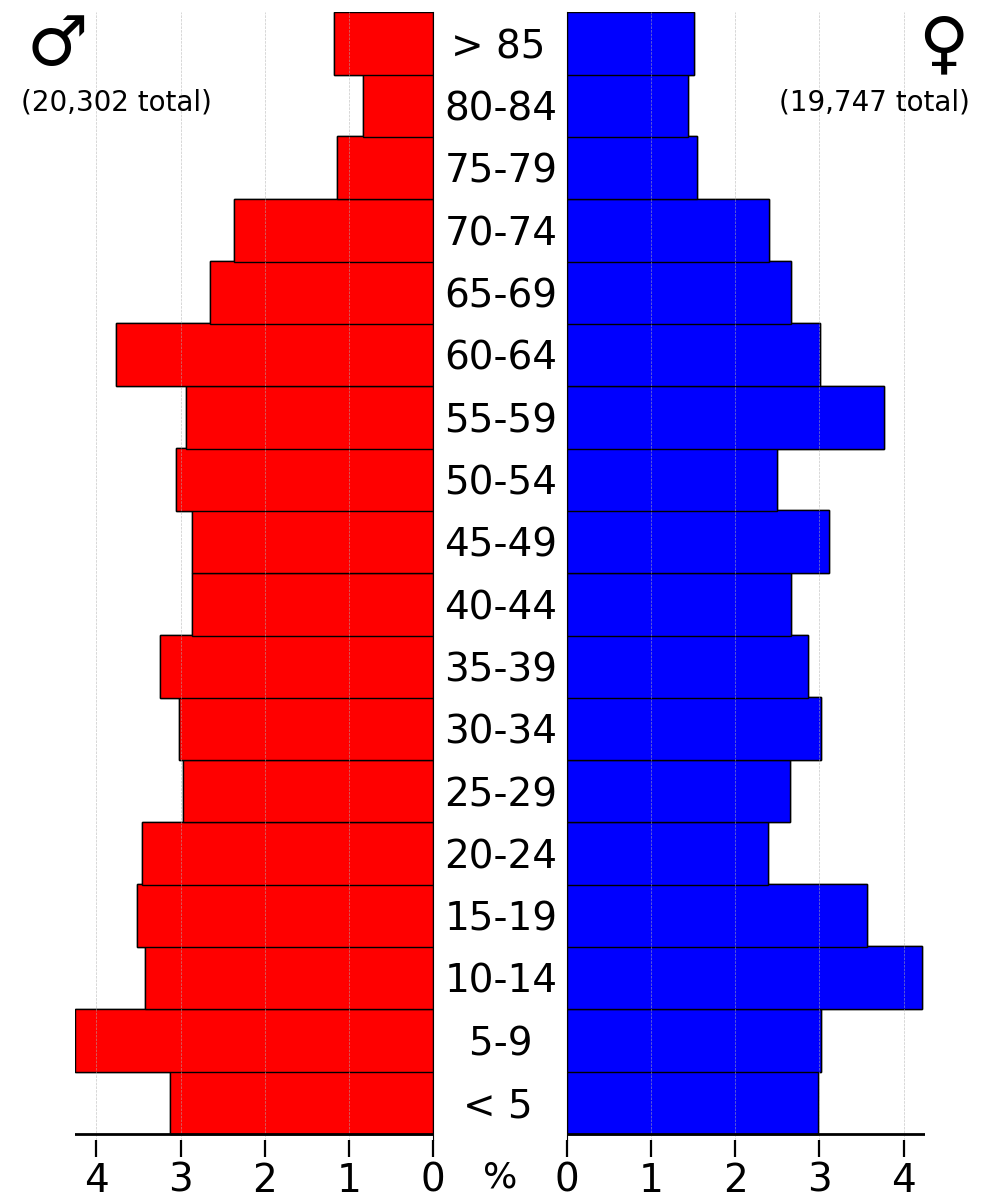

History
The county was established on January 13, 1846, shortly before Iowa achieved statehood. It was named for John Marshall, the fourth Chief Justice of the Supreme Court of the United States, a figure widely honored in the 19th century for strengthening the role of the federal judiciary. Settlement and development followed regional patterns of midwestern migration, land survey and agricultural expansion.
Geography and environment
Marshall County's landscape is typical of central Iowa: gently rolling prairie and farmland interspersed with small streams, woodlots and built-up places. Transportation corridors — state highways and local roads — connect farms and towns to regional markets. The county contains parks, public lands and recreational areas that support outdoor activities and community events.
Demographics and communities
According to the 2010 census, the county had 40,648 residents. Population is distributed among the county seat and several smaller towns and unincorporated places. Residents are served by local school districts, community organizations and health and social services. Recent decades have seen modest demographic change as economic sectors adjust to broader regional trends.
Economy and infrastructure
The county economy mixes agriculture, light manufacturing, retail and personal and professional services. Farms in the surrounding countryside produce row crops and support agribusiness. Manufacturing and service firms in Marshalltown and other towns provide employment and regional supply chains. Public infrastructure includes county roads, municipal utilities, and facilities for emergency services.
Government, education and culture
County government administers elections, property records and courts from offices in Marshalltown. Public education is provided by local school districts; higher-education, vocational and cultural institutions in the region support workforce development and community life. Local historical societies and libraries preserve records of the county's settlement and civic history.
Transportation and links
Road networks and, where present, rail lines facilitate movement of people and goods. For official information and additional resources consult county and state pages: Marshall County official pages, the state of Iowa site and federal census summaries. Other useful local portals include municipal pages for Marshalltown and regional development resources (census data, state economic pages).
Further reading
- Local government reports and county histories provide context for settlement and economic change; see county archives and historical societies for primary materials.
- Demographic and economic statistics are available through federal and state agencies and summarized on local planning sites: biographical and historical resources and regional planning portals (federal summaries).
- For municipal services and community events consult local government pages and chamber of commerce information (Marshalltown resources, town pages).
This article summarizes broadly known facts about Marshall County without attempting an exhaustive treatment of every community or statistic. For current population estimates, maps and detailed economic data consult the most recent census releases and county government publications (census, county site).
Related articles
Author
AlegsaOnline.com Marshall County, Iowa — overview, history, geography and community Leandro Alegsa
URL: https://en.alegsaonline.com/art/62265