
Marie Joséphine of Savoy, Countess of Provence (1753–1810)
Princess of Savoy who became the Countess of Provence by marriage to the future Louis XVIII; known for her devout character, life at the ancien régime court, exile during the Revolution, and dying before her husband's accession.
Overview
Marie Joséphine of Savoy (1753–1810) was a princess of the House of Savoy who became the Countess of Provence through her marriage to Louis Stanislas, the Count of Provence and later Louis XVIII. Although often styled the titular Queen consort by royalists, she died in exile before her husband actually acceded to the French throne. She is remembered for her reserved, devout temperament and for the personal and political difficulties that marked the late Bourbon court.
Image gallery
9 Images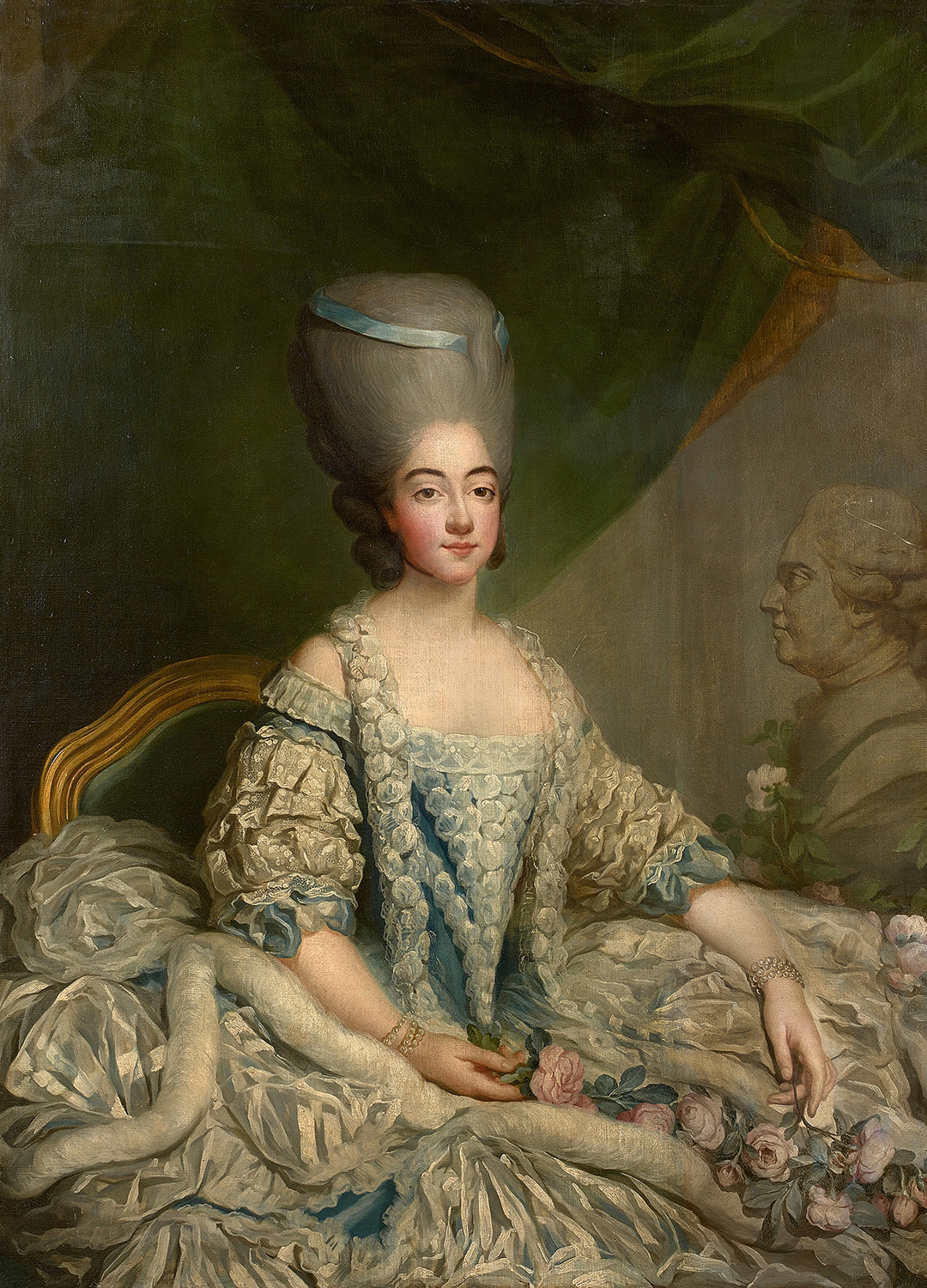


Family background and early life
Born into the ruling family of Savoy, Marie Joséphine belonged to one of the principal dynasties of northern Italy and western Europe. As a Savoyard princess she was raised with the expectations of dynastic marriage, religious instruction and court etiquette appropriate to the mid-18th century. Her upbringing prepared her for life at the French court, where alliances between reigning houses were an important part of diplomacy.
Marriage and role at the French court
In marriage she became the Countess of Provence, taking on duties and a public role at Versailles and in the provincial society attached to the prince’s household. Contemporary accounts emphasize her piety and modesty rather than political ambition. Her marriage to the Count of Provence did not produce any surviving heirs, a matter that had dynastic significance for the Bourbon family at a time when succession was a central concern of court politics.
Revolution, exile and later years
Like many members of the royal family, Marie Joséphine left France during the upheaval of the French Revolution. She spent her remaining years away from the restored court, living in exile with other émigrés. Political divisions, the strains of emigration, and the changing fortunes of European dynasties shaped her final decades. She died in 1810, several years before the Bourbon Restoration placed her husband on the throne.
Legacy and notable facts
Although she never reigned as queen consort in practice, Marie Joséphine is often mentioned in studies of the late Ancien Régime and the émigré community because her life illustrates the social world and personal costs of royal exile. Her reputation for religiosity and discretion contrasted with the more public and political personas of some contemporaries. Historians view her chiefly as a figure whose private experience illuminates the wider crises of monarchy in late 18th- and early 19th-century Europe.
- Born into the House of Savoy; married the Count of Provence (the future Louis XVIII).
- Held the title Countess of Provence and was styled by royalists as queen, though she died before her husband’s accession.
- Spent her final years in exile after the French Revolution.
Related articles
Author
AlegsaOnline.com Marie Joséphine of Savoy, Countess of Provence (1753–1810) Leandro Alegsa
URL: https://en.alegsaonline.com/art/61870