
Maribor — Slovenia's second-largest city on the Drava River
Maribor is Slovenia's second-largest city, an industrial, cultural and university centre on the Drava River known for its historic core, wine tradition, Pohorje hills and regional transport links.
Overview
Maribor is a city in northeastern Slovenia, situated on the banks of the Drava River. With a population of roughly 125,000 it is the country’s second-largest urban area and the largest centre of the traditional region of Lower Styria. It is the seat of the City Municipality of Maribor and an important regional hub for commerce, education and culture. The city’s German name, Marburg an der Drau, reflects its long history within central European political and cultural spheres.
Image gallery
10 Images




History
Maribor developed from a medieval market settlement and grew under Habsburg rule into a regional trading and craft centre. Industrialisation in the 19th century and transport links along the Drava helped expand manufacturing and rail connections. Throughout the 20th century the city experienced wartime disruptions and postwar economic changes; more recently it has adapted to Slovenia’s independence and European integration while conserving historic buildings in its centre.
Geography and environment
The city lies along a broad river valley with the Pohorje hills rising to the southwest. These forested hills form a nearby recreational area used for hiking, mountain biking and winter sports. The local landscape includes vineyards on the gentler slopes south of the urban area; viticulture is long established around Maribor and forms part of the local identity.
Economy, education and research
Maribor’s economy combines light industry, services, and a significant public sector. The University of Maribor provides higher education and research for the region, supporting engineering, natural sciences, arts and social sciences. Small and medium-sized enterprises and agricultural producers, including wineries, contribute to the local economy.
Culture, festivals and tourism
The old town and the Lent riverside are cultural focal points with festivals, markets and historic architecture. Maribor preserves the Old Vine, a famed historic vine in the city, and hosts events such as the Lent Festival, which attract regional audiences. In 2012 Maribor shared the title of European Capital of Culture with Guimarães, a year that promoted contemporary arts and local traditions as part of European cultural networks; information about the programme is available through European Capital of Culture resources.
Transport and connections
Road and rail links connect Maribor to Ljubljana, neighbouring Austria and wider Central Europe. The city functions as a regional transport node for passenger and freight services. For official municipal information and statistical data see City overview and statistics.
Landmarks and sport
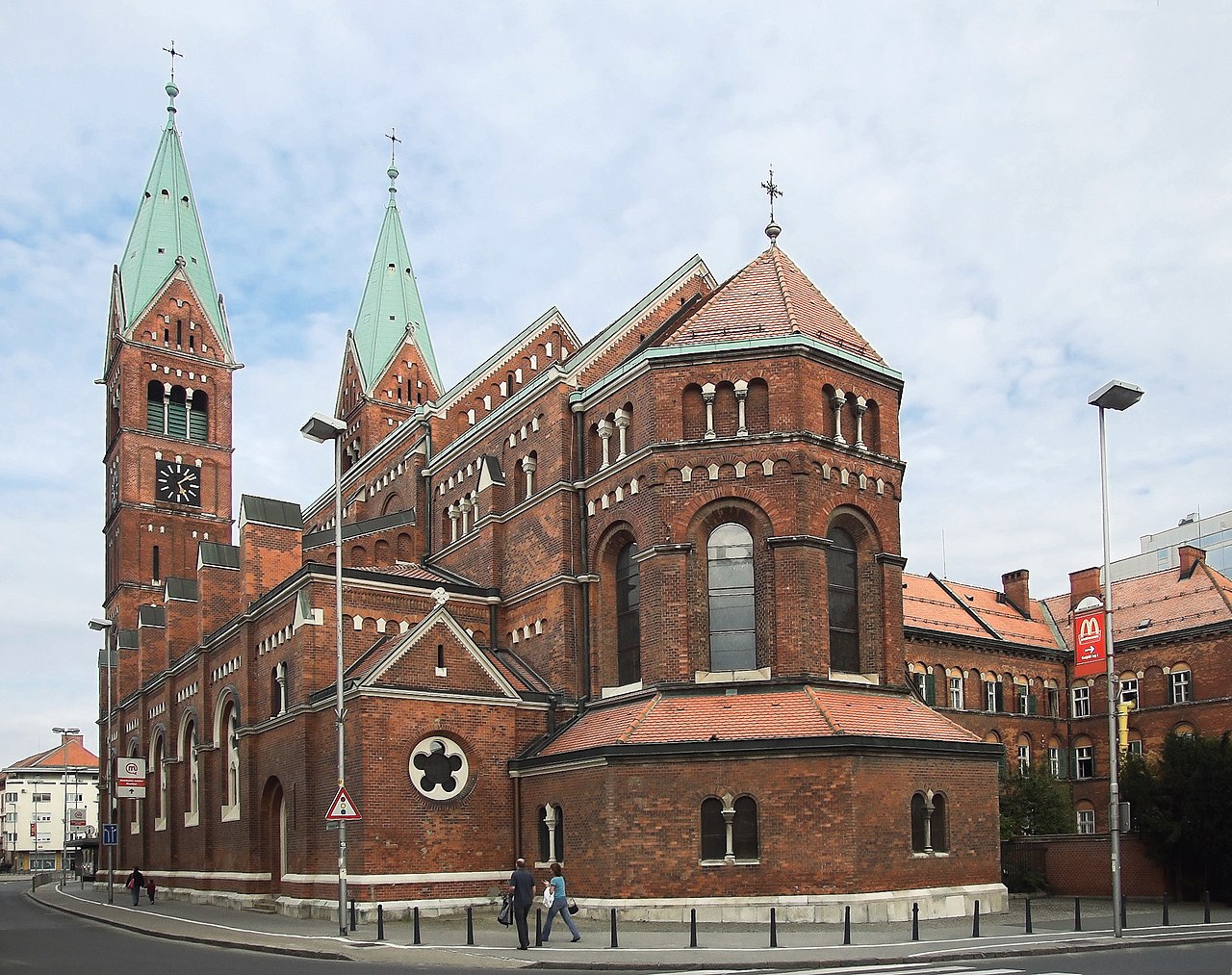
Key landmarks include the medieval core along the Drava, Maribor Castle with a regional museum, the City Tower and historic churches. The nearby Pohorje hills provide outdoor recreation while the local football club, NK Maribor, and other sports organisations are important to civic life. Maribor today balances historical character with modern municipal functions and cross-border ties within Central Europe.
Related articles
Author
AlegsaOnline.com Maribor — Slovenia's second-largest city on the Drava River Leandro Alegsa
URL: https://en.alegsaonline.com/art/61854