
Guimarães: historic city in northern Portugal
Guimarães is a city in northern Portugal, known as the birthplace of the Portuguese nation; its well-preserved medieval centre is a UNESCO World Heritage site and an active cultural hub.
Guimarães is a city in the Braga district of northern Portugal. Long regarded as the birthplace of the Portuguese nation, it combines a compact medieval centre with modern civic life. The municipality has roughly 158,000 inhabitants and functions as an important cultural, educational and economic centre in the Minho region.
Image gallery
10 Images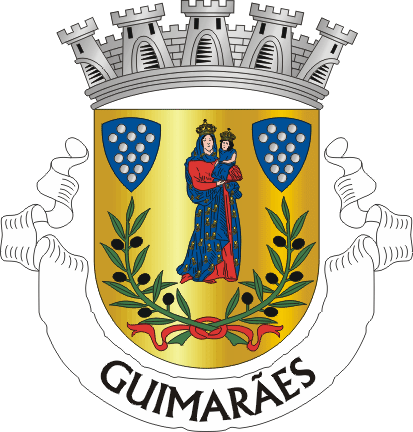


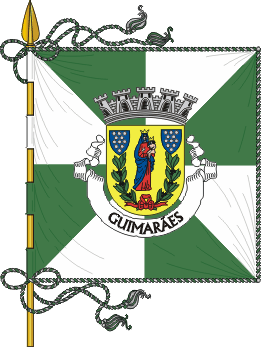
Historical overview
Guimarães rose to prominence in the early medieval period and is traditionally associated with the founding of the Portuguese kingdom. Its medieval castle and adjacent historic core reflect centuries of urban continuity: narrow streets, civic squares and religious buildings illustrate the city's central role in regional power and identity.
Notable features and landmarks
- Medieval castle and defensive structures that mark the early settlement.
- Palaces, churches and a well-preserved old town that form a compact historic quarter.
- Museums, cultural venues and public squares that host festivals and exhibitions.
The historic centre is protected for its architectural and urban value and is recognised internationally as a World Heritage site. Visitors encounter layered urban fabric where medieval and later periods coexist.
Modern role and cultural life
Today Guimarães hosts higher education facilities, a diverse economy that includes light industry and services, and an active calendar of cultural events. It served as a European Capital of Culture and continues to attract tourism for its heritage, gastronomy and festivals.
For municipal information and visitor resources see Guimarães. The city remains a focal point for Portuguese history, combining preservation of historic fabric with contemporary civic life.
Related articles
Author
AlegsaOnline.com Guimarães: historic city in northern Portugal Leandro Alegsa
URL: https://en.alegsaonline.com/art/41301