
Maria Edgeworth: Anglo-Irish Novelist and Educational Thinker
Maria Edgeworth (1768–1849), an Anglo‑Irish writer, produced realist novels and educational texts exploring Irish life, women's education, social reform, and moral instruction in the early 19th century.
Maria Edgeworth was a leading Anglo‑Irish author and educational theorist whose work helped shape the novel of manners and practical pedagogy in the late 18th and early 19th centuries. Writing from the perspective of the Protestant Ascendancy in Ireland, she combined moral purpose with close observation of social life, producing fiction and instructional books that were widely read in Britain and America.
Image gallery
8 Images
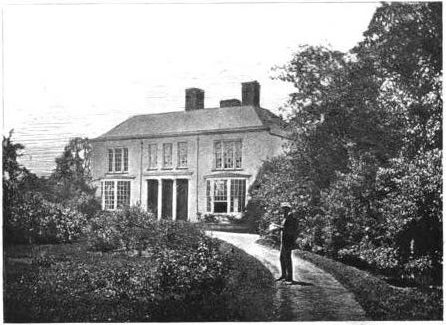


Life and background
Born into a prominent Anglo‑Irish family, Edgeworth spent much of her life at the family estate, where she was involved in schooling and estate management alongside her father, Richard Lovell Edgeworth. That partnership influenced both her practical interest in education and the careful social detail that appears throughout her fiction. She published from a relatively young age and remained an active literary figure across several decades.
Style and themes
Edgeworth's novels are noted for clear, purposeful prose, realist characterization, and the use of local color and dialogue to convey social difference. Recurring themes include the responsibilities of landowners, the conditions of rural life in Ireland, the moral and intellectual development of children, and the education and conduct of women. Her approach often mixes satirical comedy with earnest didacticism.
Notable works
- Castle Rackrent — an influential early work portraying Anglo‑Irish landlordism and often cited for its regional and historical perspective;
- The Parent's Assistant — a collection of tales for children emphasizing moral education;
- Practical Education — co‑authored with her father, a work on child rearing and instruction;
- Belinda and The Absentee — novels that explore gender, marriage, and Irish socio‑political problems.
Edgeworth's fiction offered vivid sketches of social types and situations rather than purely romantic plots, contributing to the development of realism in the novel.
Reception and legacy
During the 19th century she was widely popular and influential; later critics both praised her realism and questioned aspects of her social attitudes. Modern scholarship has renewed interest in her contributions to women's writing, Anglo‑Irish literature, and educational theory, recognizing her as a distinctive voice who bridged fiction, pedagogy, and social commentary.
Related articles
Author
AlegsaOnline.com Maria Edgeworth: Anglo-Irish Novelist and Educational Thinker Leandro Alegsa
URL: https://en.alegsaonline.com/art/61808