
Maravar: a Tamil warrior community of Tamil Nadu
Maravar are a Tamil social group from Tamil Nadu traditionally associated with martial roles. They form one branch of the Mukkulathor (Thevar) confederacy, with distinct history, culture and contemporary social presence.
The Maravar are a Tamil community historically concentrated in the southern Indian state of Tamil Nadu. Traditionally associated with martial roles, local chieftainship and rural landholding, they form one of the three constituent groups of the Mukkulathor confederacy — a social alliance that also includes the Kallar and the Agamudayar. Many members use the honorific title Thevar, which signals collective identity and status in regional politics and social life.
Image gallery
1 Image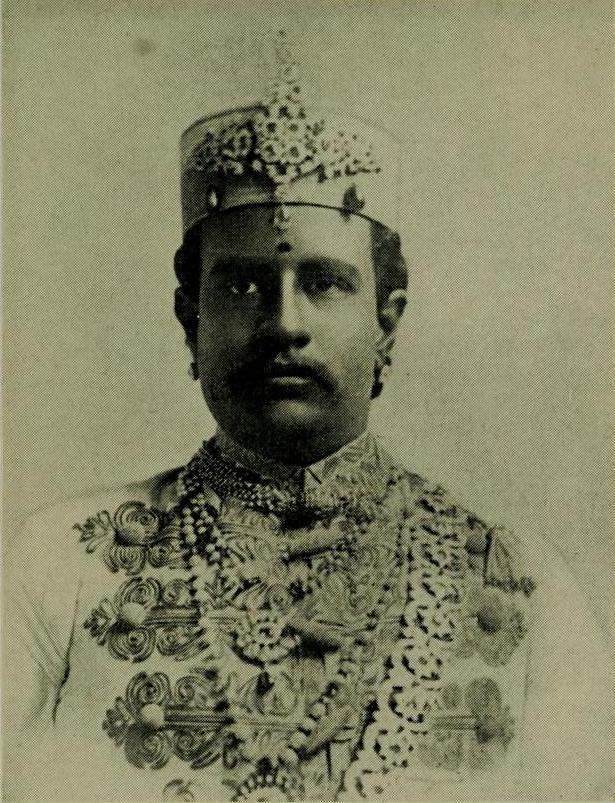
Distinctive features and social organization
Maravar households and lineages have been described in ethnographic accounts as organized around kinship, village-level leadership and customary obligations tied to military service, protection and local governance. They traditionally served as soldiers, guards and patrols for chieftains and, in some areas, were landholders or rent-collectors. Community identity is reinforced by shared rituals, clan names, and festival practices.
History and origins
The name has several proposed etymologies in Tamil; it is often linked to words meaning "warrior" or "bravery." Over centuries the Maravar appear in regional records as mobile warrior groups, local polities and rural elite actors. Under British colonial rule, like several other groups in the region, they experienced legal and administrative interventions that altered traditional authority structures and social status.
Cultural life and contemporary importance
Cultural markers include patronage of local temples, martial folklore, and observance of community festivals. In modern Tamil Nadu the Maravar — together with the wider Mukkulathor identity — have an active presence in local and state politics, where the Thevar title continues to be a significant marker of solidarity. Economic occupations now span agriculture, business, public service and urban professions.
Relations and distinctions
- The Maravar are one branch of the Mukkulathor (literally "three clans") grouping; the other branches are the Kallar and Agamudayar.
- Use of the title Thevar is common but not universal; regional differences shape how identity is expressed.
- Historical roles as warriors and village defenders distinguish them from other agrarian castes, though contemporary livelihoods are diverse.
For general background and demographic context see community profiles and state histories: Maravar community overview and resources on Tamil Nadu. These sources provide entry points for further reading on historical change, kinship, ritual life and the role of caste identities in modern politics.
Author
AlegsaOnline.com Maravar: a Tamil warrior community of Tamil Nadu Leandro Alegsa
URL: https://en.alegsaonline.com/art/61558
Sources
- books.google.com : A History of Christianity in India: The Beginnings to AD 1707
- books.google.com : The Nadars of Tamilnad: The Political Culture of a Community in Change
- books.google.com : Crooked Stalks: Cultivating Virtue in South India
- books.google.com : Political Change and Agrarian Tradition in South India, C. 1600-1801: A Case Study
- books.google.com : The Journal of the Anthropological Institute of Great Britain and Ireland