
Malva Landa — Soviet geologist and human rights activist
Ukrainian-born Russian geologist and dissident Malva Noyevna Landa (1918–2019) was a long-time Moscow Helsinki Group member, author on Soviet human-rights issues, and recipient of Lithuania's Order of the Cross of Vytis.
Overview
Malva Noyevna Landa (4 August 1918 – 3 July 2019) was a Ukrainian-born Russian geologist and a prominent figure in the Soviet and post‑Soviet human rights movement. Her name in Russian is sometimes rendered as Ма́льва Но́евна Ла́нда. Over several decades she combined a scientific background with persistent civic engagement, documenting rights violations and helping to preserve independent records of political repression in the Soviet system.
Image gallery
1 Image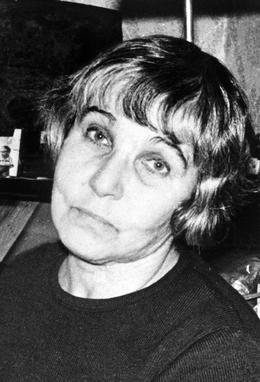
Early life and scientific background
Born in Odessa when it formed part of the Ukrainian State, Landa trained in the geological sciences and worked professionally before becoming widely known for her public activism. Her scientific education shaped a methodical approach to evidence collection: she emphasized careful documentation, corroboration of testimony, and clear presentation of factual material in reports and publications.
Geological career
Although most remembered for her human rights work, Landa spent years in the scientific community. Her experience in research and in handling technical information helped her later when organizing and preparing detailed human rights reports that required rigorous factual verification and precise language.
Human rights activism and the Moscow Helsinki Group
In the 1970s Landa joined a growing circle of Soviet citizens who sought to monitor compliance with international human rights commitments. She became active in the Moscow Helsinki Group shortly after its foundation and remained associated with it from 1976 until the end of her life. The Group's work included gathering witness statements, publicizing violations through samizdat and other independent channels, and providing documented evidence that could be used by both domestic advocates and international bodies.
Writings and public record
Landa authored books and numerous articles analyzing mechanisms of persecution, legal abuses, and the experience of dissidents in the Soviet Union. Her writings sought to preserve personal accounts of dissent and to explain the legal and administrative instruments used against political activists. For listings and further discussion of her publications see bibliographic resources.
Awards and recognition
Her contributions were recognised both by fellow activists and by foreign institutions. In January 2003 she was awarded the Order of the Cross of Vytis by Lithuania, an honour reflecting the international regard for efforts to document human rights violations. Colleagues recall her as combining scientific exactitude with moral commitment.
Later life and legacy
In later years Landa lived outside Russia and maintained links with human rights communities and scholars. She died on 3 July 2019 in Haifa, in Israel, at the age of 100. Her papers, reports, and published accounts remain a resource for historians, legal scholars, and human rights researchers studying dissent, repression, and the development of civil society in the late Soviet and post‑Soviet periods.
Key facts
- Born: 4 August 1918, Odessa.
- Professionally trained as a geologist.
- Member of the Moscow Helsinki Group from 1976 onward.
- Author of books and articles on Soviet human rights issues.
- Awarded the Order of the Cross of Vytis (Lithuania) in 2003.
- Died 3 July 2019 in Haifa, Israel.
Further reading
Researchers and readers interested in the history of Soviet dissent may consult collected accounts, archival records, and the publications of human rights organisations. For electronic and printed references see national and specialized bibliographies and curated lists of dissident writings at institutional repositories and reference pages such as recommended resources.
Related articles
Author
AlegsaOnline.com Malva Landa — Soviet geologist and human rights activist Leandro Alegsa
URL: https://en.alegsaonline.com/art/61095
Sources
- lrp.lt : Информация на официальном сайте Президента Литвы
- wonderzine.com : Умерла правозащитница Мальва Ланда