
Man in the Iron Mask: mystery prisoner of Louis XIV
A summary of the historical prisoner held under Louis XIV whose concealed identity inspired speculation and literature. Covers the archival record, leading identity theories, and the cultural legacy.
Overview
The figure known as the "Man in the Iron Mask" was a prisoner held during the reign of Louis XIV of France whose true identity remains uncertain. He was detained from about 1669 until his death in 1703 under exceptionally strict secrecy. Most contemporary information about him comes from the official correspondence of his jailer and administrators, including an extensive series of letters and reports written by his custodian. These primary records are often referenced in modern accounts and can be consulted as archival material, for example through primary correspondence.
Image gallery
10 Images




Historical record and custody
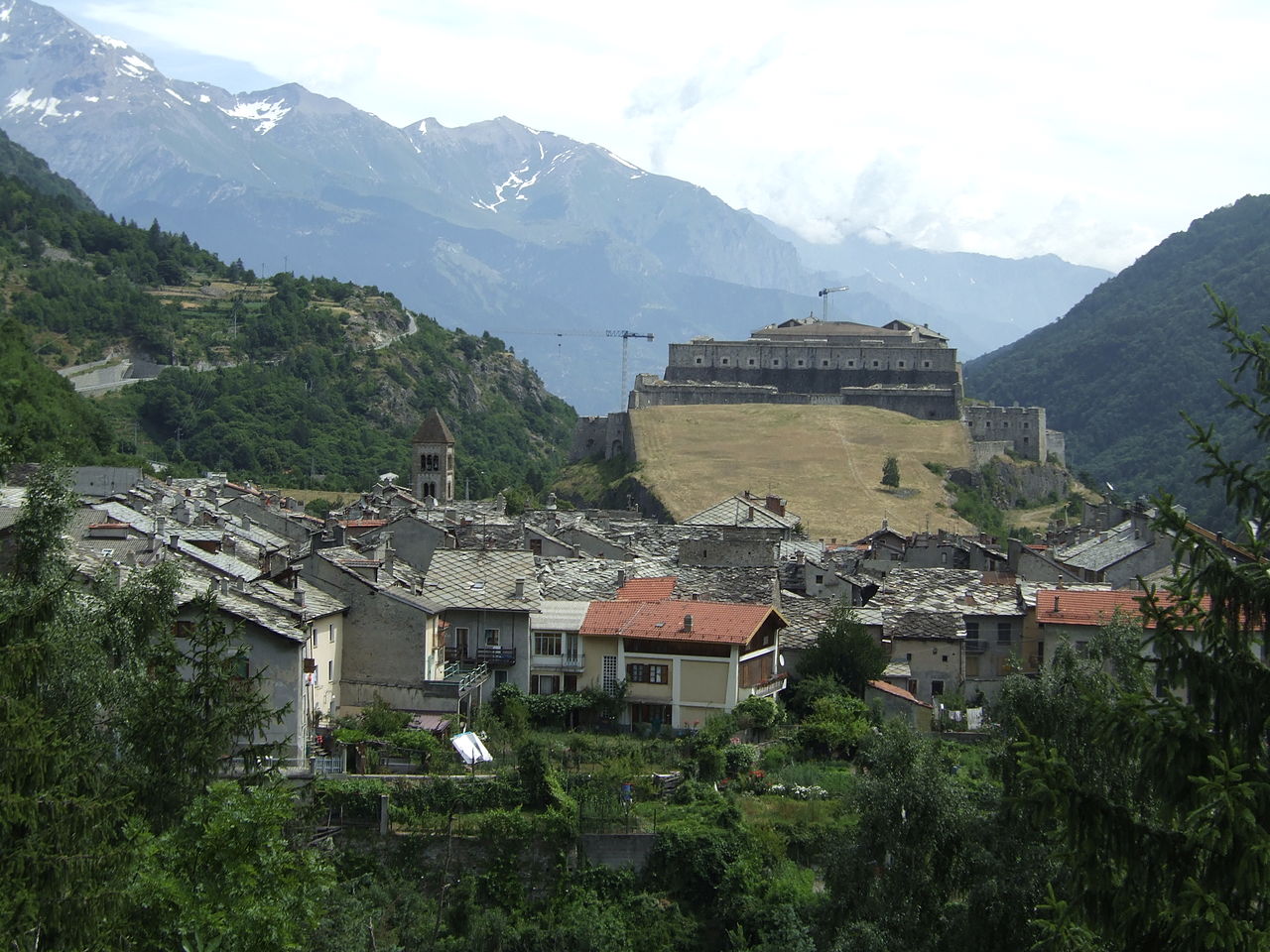
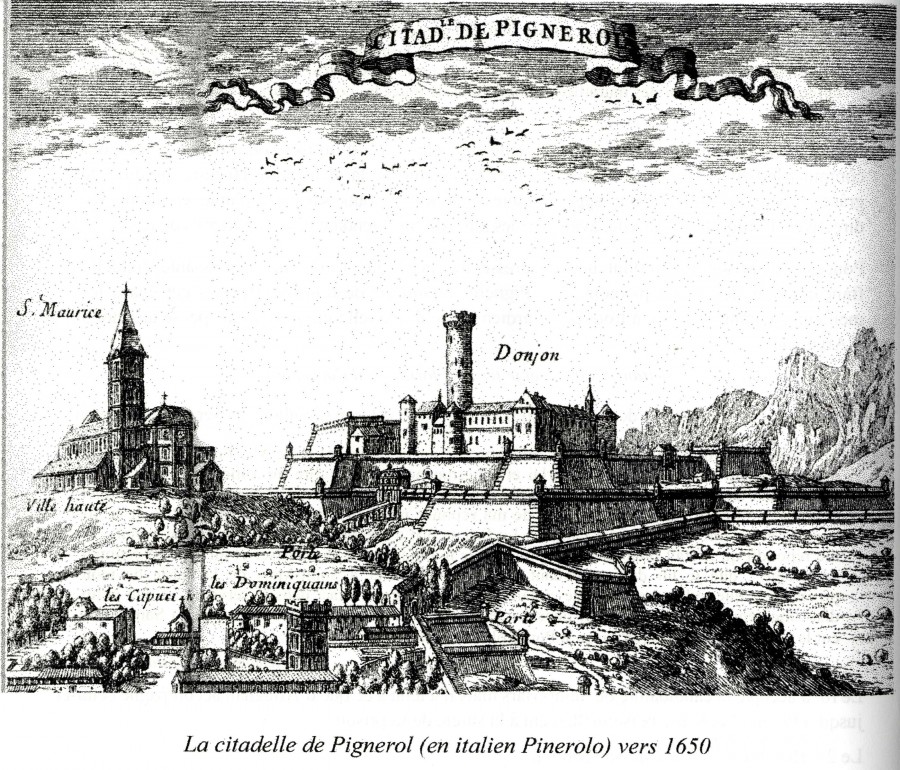
Administratively the prisoner was assigned to a single governor-custodian for many years: Bénigne Dauvergne de Saint-Mars, who transferred him between a succession of state prisons. Documentary traces place the man first at Pignerol (Pinerolo) in what is now Italy, later at Exilles, then at the island prison of Sainte-Marguerite off the southern coast of France, and finally at the Bastille in Paris. Official orders emphasize secrecy and constraints on visitors. Contemporary notes describe his face being concealed in public by a dark mask or cloth rather than specifying metal; the widely repeated image of an iron mask is a later embellishment.
Names and burial
The prisoner appears in records under at least one name, Eustache Dauger, though that entry may have been an alias or administrative label. After his death in 1703 he was buried in Paris; a tombstone placed in the graveyard of the church of Saint-Paul-Saint-Louis records a name transcribed in various ways (Marchiali, Marchioly, Marchialy). The existence of a marked grave contributes to the documentary trail but does not settle the question of his original identity. See the church reference at Saint-Paul-Saint-Louis.
Theories about identity
- Political or diplomatic figure: some historians have proposed he was a disgraced or dangerous servant who knew state secrets and therefore required indefinite silence.
- Private scandal: other theories suggest he was involved in confidential scandals which the crown wished to suppress without public trial.
- Royal imposture or kin: literary and popular theories have long speculated about royal connections—a secret twin, a bastard brother, or a claimant to the throne—but archival evidence to support such dramatic versions is thin.
- Alias record: the name Eustache Dauger appears in several documents; modern scholarship often treats this as the strongest lead, though it leaves important questions unanswered.
Cultural legacy and misconceptions
The "iron mask" image owes much to Enlightenment writers and 19th-century novelists, who transformed archival notes into suspenseful fiction. Voltaire was among the early figures to publicize the mystery, and later romantic and popular treatments—most famously adventure novels—cemented the iron mask as a symbol. In reality, contemporary administrative orders describe concealment by fabric and emphasize restraint and silence rather than the theatrical metal mask of later imagination.
Notable distinctions
The case is a useful example of how sparse official records, secrecy, and imaginative storytelling can combine to produce a durable legend. While the custodial records and the tomb remain tangible pieces of evidence, the prisoner's precise identity and the reasons for such extraordinary secrecy have never been conclusively established; consequently the Man in the Iron Mask continues to be both a subject for careful archival study and a persistent cultural myth.
Questions and answers
Q: Who was the Man with the iron mask?
A: The Man with the iron mask was a prisoner of Louis XIV whose identity is not known.
Q: Why was the man forced to wear a black cloth over his face most of the time?
A: It is not known why the man was forced to wear a black cloth over his face most of the time, but no one saw his face.
Q: How long was the man imprisoned?
A: The man was imprisoned from 1669 until his death in 1703.
Q: What is known about the man's identity?
A: The identity of the man is not known, but when he was first imprisoned, it was given as Eustache Dauger. His tombstone says his name was Marchiali, and other sources also give the names Marchioly or Marchialy.
Q: Who was the prisoner's guardian?
A: The prisoner always had the same guardian, but most of the facts that are known about the Man with the iron mask are from correspondence between the guardian and his superiors.
Q: Where is the Man with the iron mask buried?
A: The Man with the iron mask is buried in the graveyard of the church Saint-Paul-Saint-Louis in Paris.
Q: What is known about the man's appearance?
A: No one saw the man's face because he was forced to wear a black cloth over it most of the time.
Related articles
Author
AlegsaOnline.com Man in the Iron Mask: mystery prisoner of Louis XIV Leandro Alegsa
URL: https://en.alegsaonline.com/art/61162