
Malé (capital of the Maldives)
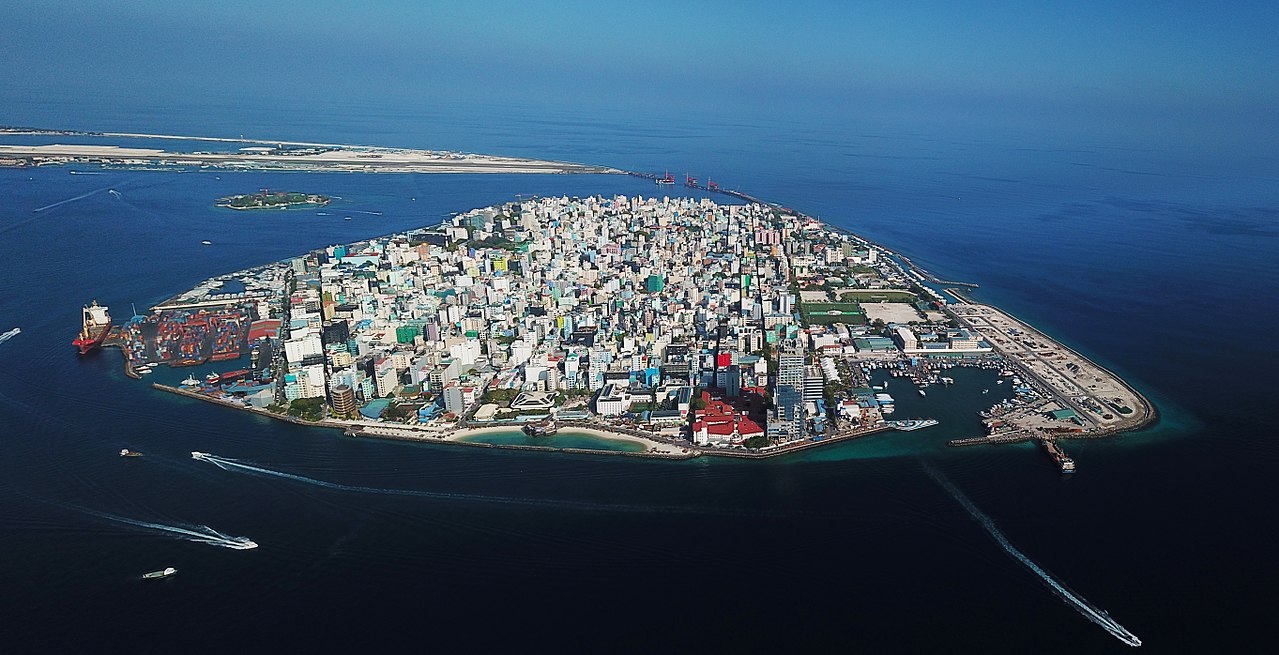
Malé is the national capital of the Maldives, occupying a small coral island in Kaafu Atoll. It is the country’s political and commercial centre, notable for its compact area, very high population density and marine environment.
Overview
Malé (Dhivehi: މާލެ) is the capital city of the Republic of Maldives, located on Malé Island in Kaafu Atoll. As the seat of government and the main commercial hub of the island nation, Malé concentrates national institutions, administrative offices, markets and many services. Though geographically within Kaafu Atoll, the city is administered separately from the surrounding atoll governance. Readers seeking a different meaning of a similar word can see the article on the male sex (Male) or the disambiguation page (Malé / Male).
Image gallery
10 Images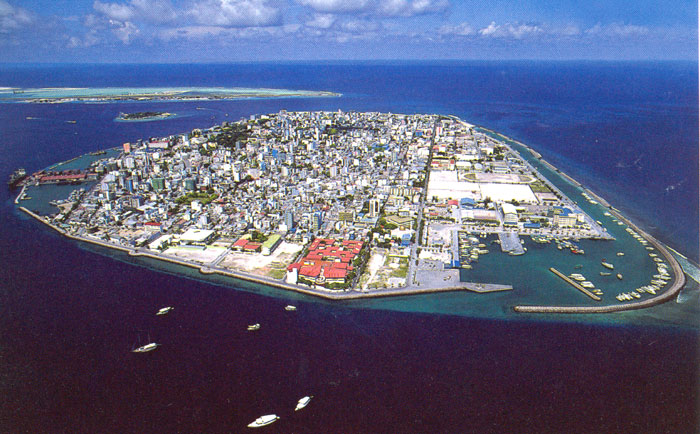




Geography and administration
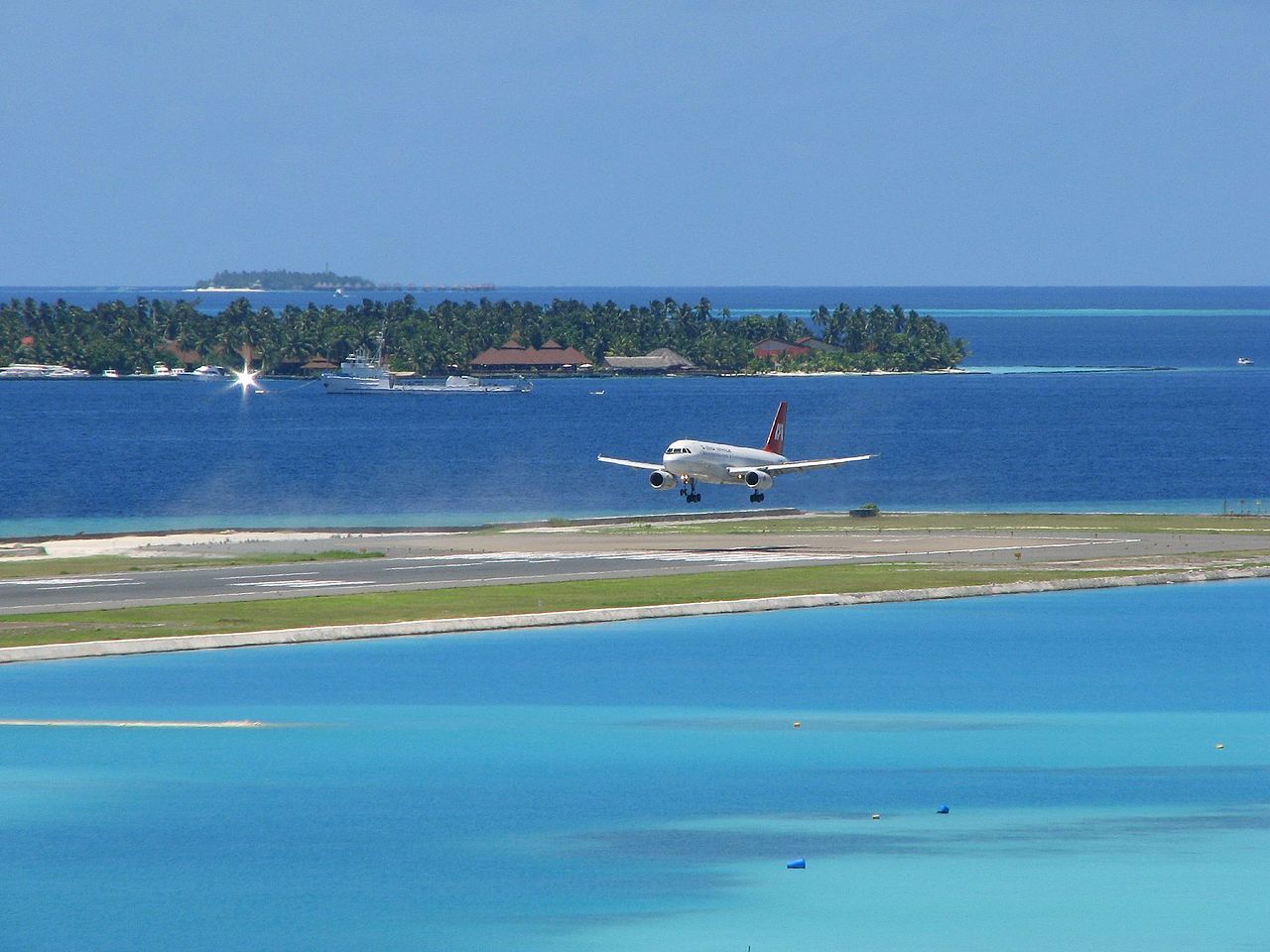
Malé occupies a small, low-lying coral island whose shoreline has been altered by land reclamation and harbour works. Intensive land use and a compact urban form characterise the city: public buildings, commercial streets, residential blocks and religious sites lie close together. Nearby islands play supporting roles — Hulhulé hosts Velana International Airport and seaplane terminals, while Hulhumalé is a reclaimed and planned island intended to provide housing and infrastructure relief for the capital.
History and development
The site of Malé has long served as a cultural and trading centre within the central Indian Ocean. Over centuries it evolved from a local administrative centre into the modern capital as state institutions, trade and tourism concentrated here. Twentieth- and twenty-first-century development and land reclamation have reshaped the shoreline and allowed the city to expand its functional footprint despite very limited original land area.
Demographics and urban form
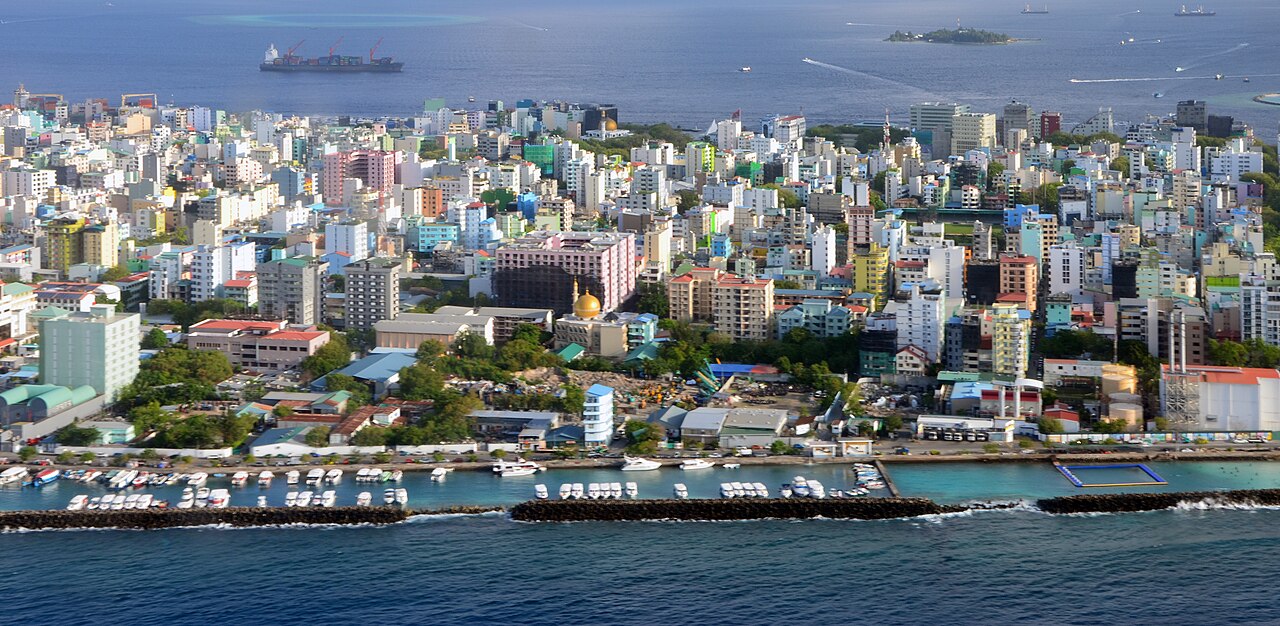
Malé is notable for its high population density: the city’s small land area supports a large share of the nation’s residents and workers, leading to multi-storey housing, compact neighbourhoods and intensive use of public space. Population figures vary by census and administrative definition; historical counts have recorded more than one hundred thousand residents on the island while larger commuter flows increase the daytime population. The concentration of services and commerce makes Malé the focal point for domestic migration and economic activity.
Economy, transport and services
As the commercial core of the Maldives, Malé hosts banks, markets, government ministries and tourism-related businesses. The main harbour handles inter-island ferries, cargo and passenger services, and is central to the country’s internal transport network. International air access is through Velana International Airport on Hulhulé, with seaplane and boat transfers linking the capital to resort islands and outlying atolls. For context, see the general article on what a capital city is.
- Major port and ferry services connect Malé with neighbouring islands and atolls.
- Velana International Airport on Hulhulé supports international travel and links to domestic seaplane operators.
- Roads on the island are short but busy; non-motorised travel and small motor vehicles are common.
Environment and climate
The waters around Malé are part of the broader Maldivian marine environment, with coral reefs, rich marine life and clear tropical seas that support fishing and tourism. These ecosystems are sensitive: local pressures include coastal development, pollution and waste, while regional threats include sea-level rise and ocean warming. National and local initiatives address reef protection, coastal defence and sustainable resource use. The city’s waterfront and harbour areas play both economic and environmental roles in this context; see the entry on the waterfront (waterfront).
Culture, landmarks and services
Malé contains cultural and historic sites such as mosques, small museums and the political monuments of the republic. The city’s mosques and traditional buildings reflect the Maldives’ Islamic and seafaring heritage; public markets and the fishmarket remain important social and economic spaces. Health services, secondary and tertiary education institutions and government agencies are concentrated in the capital, providing services used by residents nationwide. For broader information about the country, see the Maldives article (Maldives).
Challenges and future planning
Key challenges for Malé include limited land area, congestion, waste management, freshwater supply and resilience to climate change. Planned expansions, reclamation projects and nearby development of Hulhumalé aim to spread housing and economic activity more widely, while policies for environmental protection and infrastructure improvement seek to balance growth with sustainability. Ongoing dialogue among residents, planners and national authorities shapes the city’s response to these long-term pressures.
Further reading
For comparative information and disambiguation see the links above. The city remains central to the Maldives’ identity as a maritime nation with unique environmental and urban challenges.
Related articles
Author
AlegsaOnline.com Malé (capital of the Maldives) Leandro Alegsa
URL: https://en.alegsaonline.com/art/61009
Sources
- statisticsmaldives.gov.mv : "TABLE PP 9: TOTAL MALDIVIAN POPULATION BY SEX AND LOCALITY (ATOLLS), 2014"
- qaumiyyath.gov.mv : "Names of Maldives"