
Maid Marian — companion and counterpart to Robin Hood
Maid Marian is the traditional female companion and romantic figure linked to Robin Hood in English folklore, later appearing in stage plays, ballads, and modern retellings in varied roles.
Maid Marian is the best-known female figure associated with the Robin Hood cycle of stories. Often cast as his lover or partner-in-arms, she is a fixture of English popular imagination though she does not appear in the earliest Robin Hood ballads. Over time Marian moved from seasonal folk drama into printed literature and the stage, and then into film and television, where writers have reinterpreted her character to suit changing tastes.
Image gallery
6 Images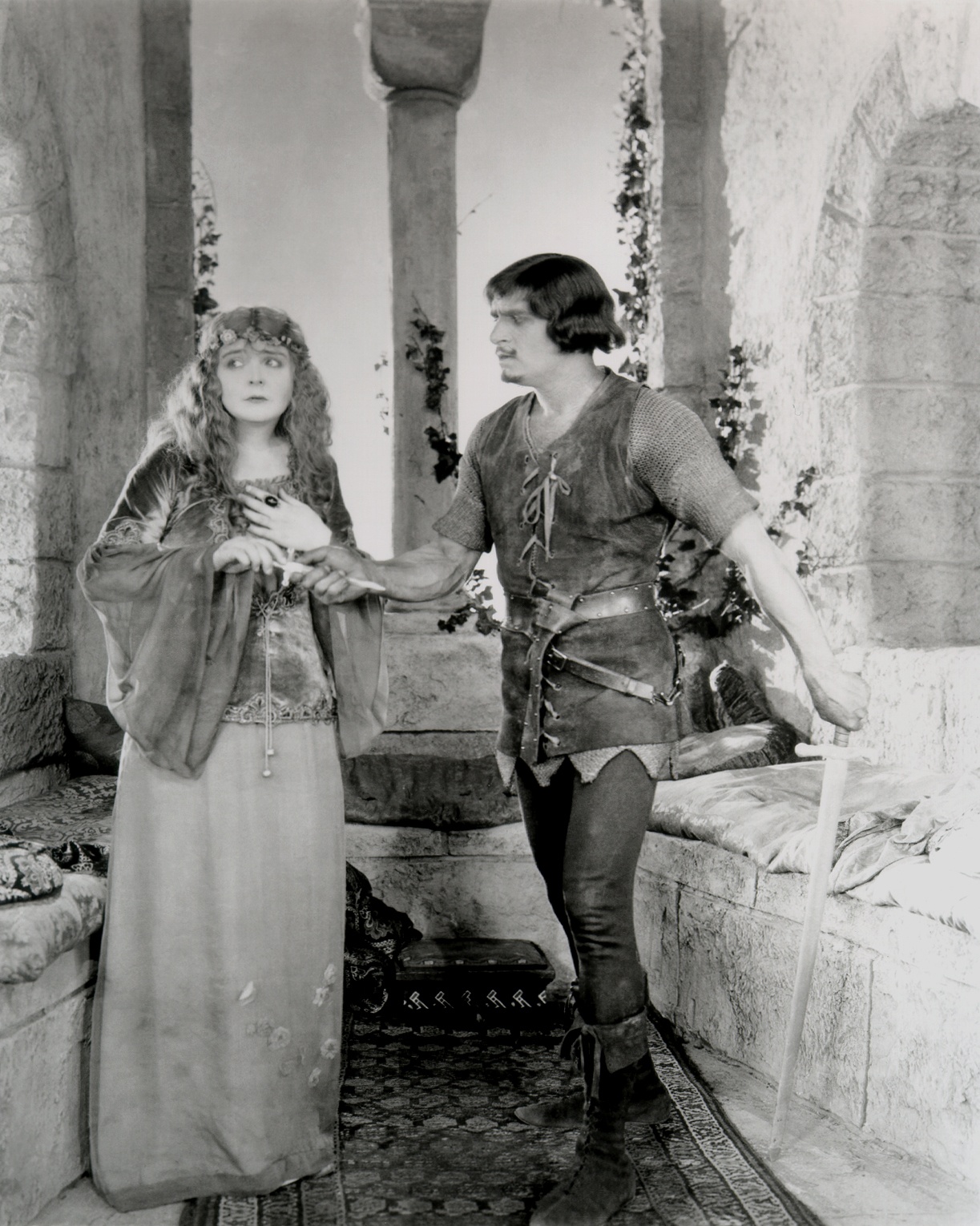
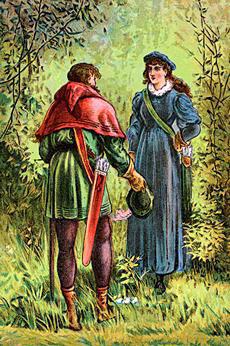


Origins and historical development
The name Marian appears in medieval and early modern English pastoral and May-Day customs, and was later linked to the Robin Hood legend. Early printed accounts of Robin Hood that survive do not include her, but by the period of communal May games and popular drama a figure called Marian was incorporated into the tales. That gradual association made her a standard member of the Robin Hood ensemble in later ballads and dramatic treatments.
Typical characteristics and roles
Maid Marian is represented in many guises: a gentle noblewoman, a witty and resourceful companion, or an active outlaw who can match Robin’s courage. Some traditions emphasize her romantic role; others highlight leadership, disguises, and even archery. Modern retellings often present her as an assertive, independent character rather than a purely decorative figure.
Common portrayals include:
- A romantic interest who humanizes Robin and anchors the band socially and emotionally.
- An equal participant in adventures, sometimes taking on martial or tactical roles.
- A symbol used by writers and directors to explore gender, class, and national identity.
Maid Marian is frequently described simply as a female companion of Robin Hood and appears across English folktales, plays, novels, and screen adaptations. Her evolution from seasonal folk figure to a central, sometimes empowered, heroine illustrates how oral tradition and popular performance reshape characters to reflect social values and artistic trends.
Notable distinctions: unlike many secondary figures in medieval romance, Marian’s identity is flexible—authors and performers have adapted her age, rank, skills, and temperament to fit different genres and audiences. Because she was added to the Robin Hood cycle later, she serves as an example of how legends accrete new characters and meanings over centuries.
Related articles
Author
AlegsaOnline.com Maid Marian — companion and counterpart to Robin Hood Leandro Alegsa
URL: https://en.alegsaonline.com/art/60748