
Macon, Georgia — Heart of Georgia: history, culture, and landmarks
Macon is a centrally located Georgia city known as the Heart of Georgia, with a rich musical heritage, historic architecture, and cultural institutions anchored along the Ocmulgee River.
Overview
Macon is a city in central Georgia often called the "Heart of Georgia" because of its location roughly 75 miles south of Atlanta. It serves as the county seat of Bibb County and is one of the larger metropolitan centers in the state. Historically a river and rail hub on the Ocmulgee River, Macon remains a regional center for culture, education, and healthcare.
Image gallery
10 Images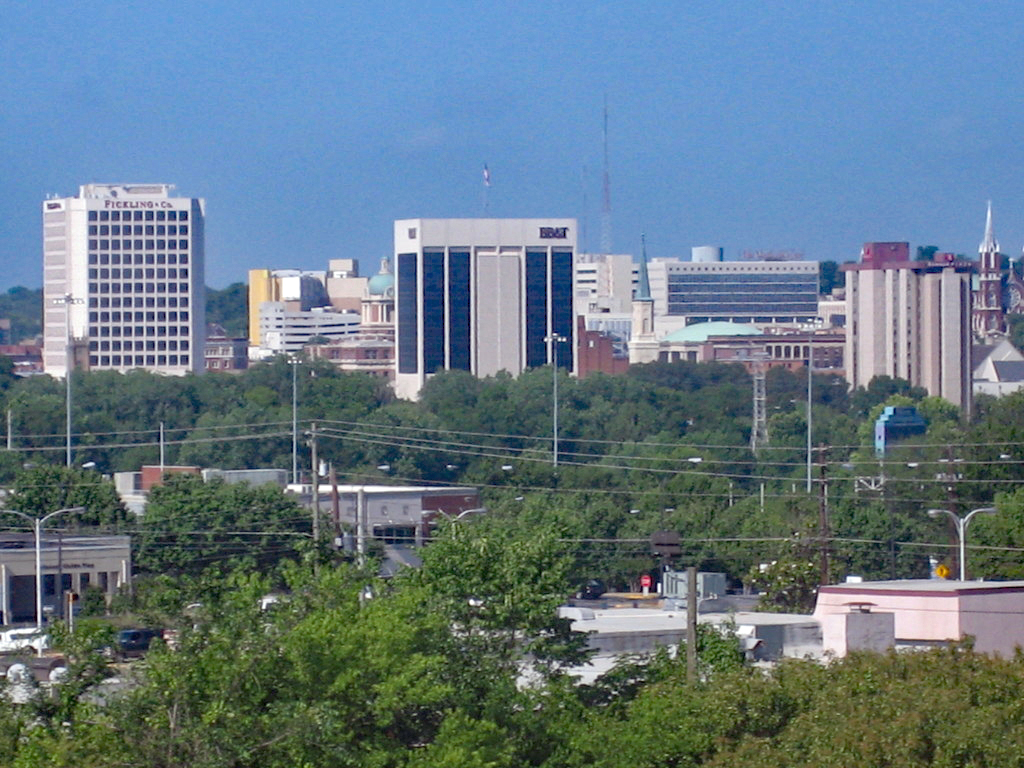





Geography and government
Positioned near the geographic center of the state, Macon grew where transportation routes converged. The city traditionally functions as a civic and commercial hub for the surrounding counties. In recent years the city and county governments have operated in a closer partnership; Macon is identified as the county seat of Bibb County and is described on many official maps of central Georgia. Local administration and services reflect both urban and regional responsibilities.
History and development
Macon's origins trace to the early 19th century, when settlement and trade along the Ocmulgee River supported plantations, mills, and later rail connections. During the 19th and early 20th centuries the city developed manufacturing, institutional, and transportation roles. The 2000 U.S. census recorded a city population near 97,255; subsequent decades have seen changes tied to suburban growth, economic shifts and governmental consolidation with the county.
Culture, music and notable people
Macon is widely recognized for its musical legacy. It is the birthplace of influential rock and rhythm-and-blues figures and was the home of Capricorn Records, a key label in the rise of Southern rock. The city's music scene, historic theaters and annual festivals have attracted performers and audiences for decades. For civic and cultural resources, Macon supports museums, performing arts venues and community organizations that preserve and celebrate local heritage.
Attractions and institutions
- Ocmulgee mound complex and archaeological sites that reflect centuries of Native American presence.
- Hay House and other well-preserved antebellum and Victorian-era buildings illustrating 19th-century architecture.
- Educational institutions such as Mercer University and museums dedicated to regional history and the arts.
- Annual events like the Cherry Blossom Festival and concerts that highlight the city's horticultural and musical traditions.
Economy, transport and modern role
Today's economy blends healthcare, education, manufacturing and logistics. Macon is served by regional highways and an airport that connect it to larger Georgia cities. Local initiatives emphasize downtown revitalization, cultural tourism and preservation of historic neighborhoods. For official references and civic information see local government resources and county offices; Macon continues to be identified as the county seat in regional directories (county seat reference) and in broader state overviews (central Georgia sources).
Notable distinctions
Macon is notable for combining an accessible central location with deep historical layers—from prehistoric mounds to 19th-century architecture and 20th-century music industries—making it a city where regional history and contemporary culture meet.
Related articles
Author
AlegsaOnline.com Macon, Georgia — Heart of Georgia: history, culture, and landmarks Leandro Alegsa
URL: https://en.alegsaonline.com/art/60373