
Lundy: small island off the coast of Devon with wildlife, history and holiday lets
Lundy is a sparsely populated island in the Bristol Channel off Devon, England, known for seabird colonies, distinctive local stamps and coins in the early 20th century, and holiday accommodation managed by heritage trusts.
Lundy is a small island in the Bristol Channel, located off the coast of Devon in England. It has a very small permanent population and a landscape of cliffs, rocky shorelines and grassy interior. The island is widely visited by birdwatchers, naturalists and people seeking a quiet coastal retreat, and it combines notable wildlife, visible historic remains and a reputation for unusual local curiosities.
Image gallery
10 Images
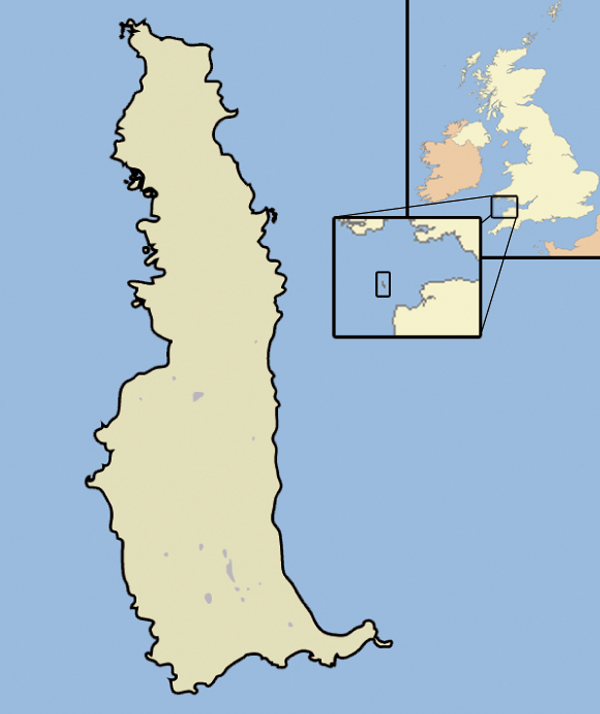


Characteristics and wildlife
The island is dominated by rugged coastline and a compact interior that supports seabird colonies and coastal plants. Lundy is particularly well known as a breeding site for seabirds such as puffins, guillemots and razorbills, and it attracts visitors interested in birdwatching and marine life. The surrounding waters are popular with divers for underwater cliffs and abundant marine fauna. Several species and habitats on and around the island are the focus of conservation attention.
History and notable episodes
Lundy has a long history of human use, with traces of past settlements and defensive works. In the early 20th century, and especially in the 1920s and 1930s, an owner of the island issued distinctive local postage stamps and coins that were marketed to collectors; these issues remain a curious and collectible part of Lundy’s story. Over time the island has been owned and managed by a variety of private individuals and heritage organisations, and its buildings and ruins tell a layered story of maritime life, farming and past habitation.
Visiting Lundy
Access to Lundy is seasonal and can be affected by weather. In summer months a passenger ferry operates from the mainland and a helicopter service provides an alternative means of travel for visitors. Accommodation on the island is limited but includes simple cottages and converted historic buildings that can be hired for short stays; some of these are managed as holiday lets by heritage organisations. Facilities are basic, and visitors should plan for limited services and bring appropriate supplies.
Uses, research and distinctions
- Recreation: popular for birdwatching, walking and diving.
- Conservation: the island and its seas are subjects of ongoing conservation and scientific interest.
- Cultural interest: the sale of Lundy-themed stamps and coins in the early 20th century attracts philatelists and numismatists.
- Heritage accommodation: several historic buildings are available as short-term lets, providing a way to experience island life.
Lundy presents an unusual blend of natural importance, quiet habitation and human stories. Its limited population, seasonal visitor services and notable wildlife make it a unique destination in the coastal landscape off Devon.
Related articles
Author
AlegsaOnline.com Lundy: small island off the coast of Devon with wildlife, history and holiday lets Leandro Alegsa
URL: https://en.alegsaonline.com/art/59935