
Lyme Regis Museum: Mary Anning, Fossils and Local History
Local museum on the Jurassic Coast built on Mary Anning’s birthplace. Exhibits focus on Jurassic fossils, maritime heritage, and literary connections to Lyme Regis.
Overview
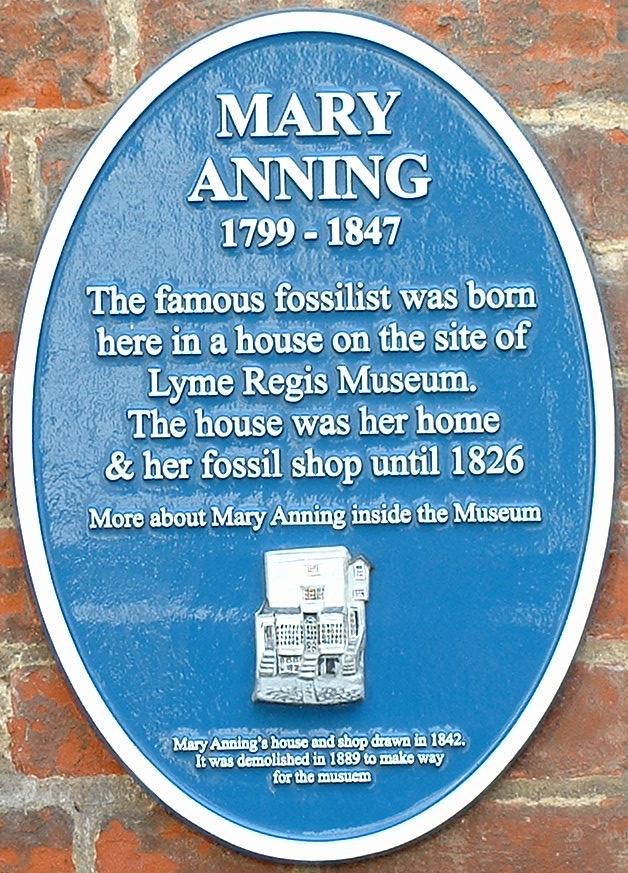
The Lyme Regis Museum stands in the coastal town of Lyme Regis, located on the famous Jurassic Coast in Dorset, England. The museum interprets the natural and cultural history of the area, with a particular emphasis on the rich fossil heritage exposed by the cliffs and beaches nearby. It occupies the site associated with the childhood home of the fossil collector and palaeontologist Mary Anning, whose discoveries helped shape early understanding of prehistoric life.
Image gallery
4 Images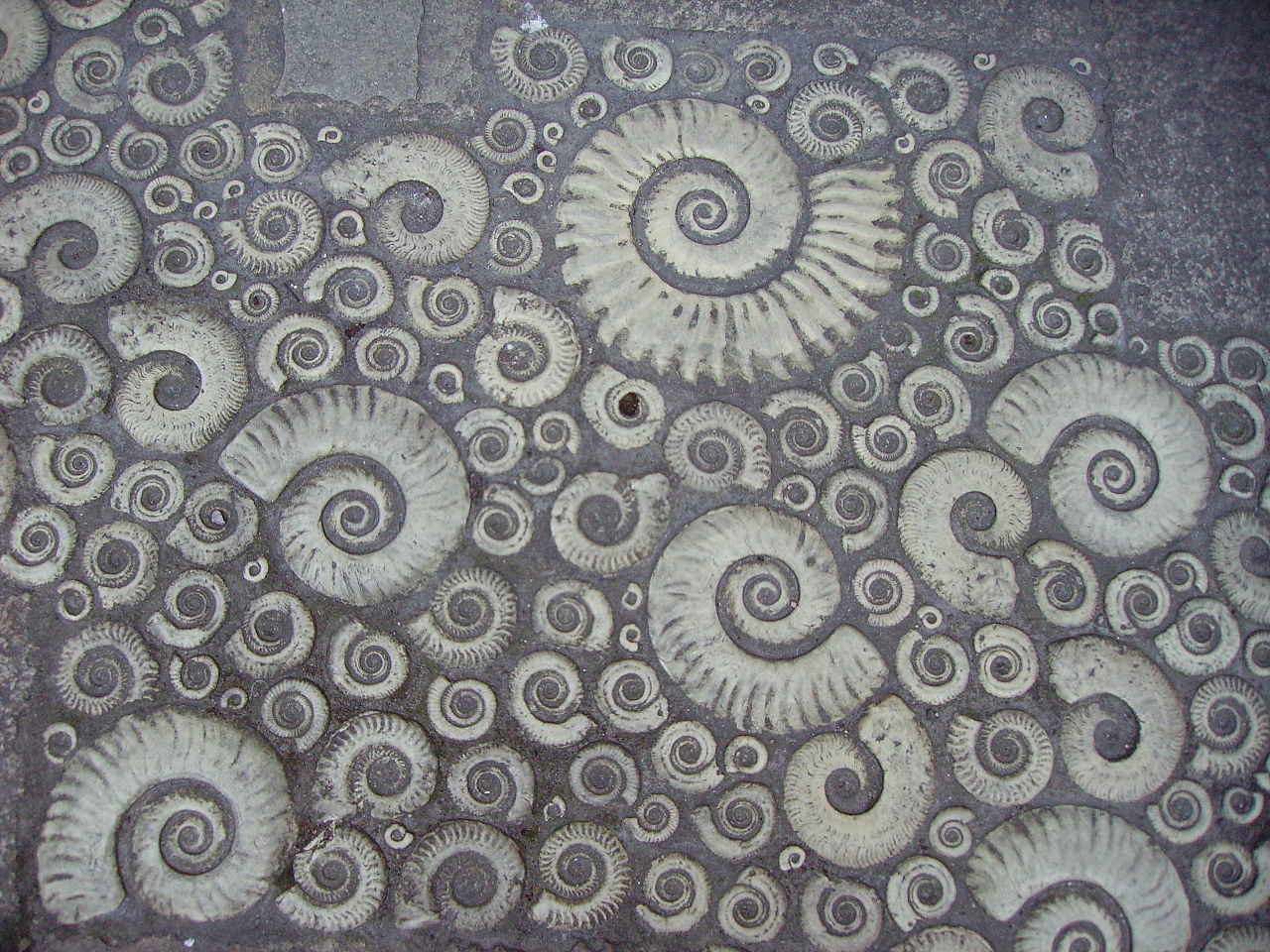


Collections and displays
Collections centre on Jurassic-age fossils and objects that shed light on local life over the last two centuries. Visitors encounter original specimens, casts and interpretive displays that explain how fossils are formed and recovered. The museum also preserves local maritime artefacts, social history items and material that illustrates how fossil hunting influenced the town’s economy and identity.
Highlights and notable features
- Exhibits about Mary Anning and the practices of 19th-century fossil hunting, demonstrating how a local collector advanced palaeontology.
- Displays of ammonites and other marine fossils typical of the Jurassic cliffs, with explanation of geological context.
- Commemorative and interpretive features linking the museum to wider cultural figures: the area appears in works by Jane Austen and in novels by John Fowles, showing the town’s literary resonance.
- An example of Coade artificial stonework, fashioned as ammonites, is set into the pavement outside the building and recalls local craft and entrepreneurial history; this connects to the inventor Eleanor Coade and to the town’s fossil iconography through the use of ammonites.
History, research and education
The museum has a dual role as a public exhibition space and as a centre for outreach and education. It supports schools, organised fossil walks and public programmes that explain the geology of the Jurassic Coast and the methods used to record and conserve specimens. While the museum celebrates historic figures such as Mary Anning, it also presents the broader history of collecting, scientific debate and coastal change that continues to shape the area.
Visiting and significance
As a small local museum, it provides an accessible introduction to one of Britain’s most celebrated fossil localities and to the town’s maritime and cultural story. The site illustrates how local landscapes and communities have contributed to scientific knowledge and to popular imagination. For contextual background and practical visitor information see the museum’s resources and local guides available through civic and heritage partners linked from the museum’s pages here and from regional conservation organisations on the Jurassic Coast portals.
Questions and answers
Q: Where is the Lyme Regis Museum located?
A: The Lyme Regis Museum is located in the town of Lyme Regis on the Jurassic Coast in Dorset, England.
Q: What is the historical significance of the museum's location?
A: The museum is built on the site of the birthplace and home of Mary Anning, the fossil hunter, and her family's shop.
Q: What kind of fossils are displayed in the museum’s collections?
A: The collections in the museum show fossils from the surrounding area dating from the Jurassic period.
Q: Does the museum only display fossils or are there other exhibits as well?
A: The museum also includes exhibits related to local maritime history, memorabilia, and writers associated with the town such as Jane Austen and John Fowles.
Q: What is Coade artificial stonework, and how is it related to the museum’s exhibits?
A: Coade artificial stonework is an example of a type of stone made by Eleanor Coade. The pavement outside the museum features ammonites made from this type of stone, which is related to the palaeontology for which Lyme Regis is famous.
Q: Who are some famous authors associated with Lyme Regis, and what is their connection to the museum?
A: Jane Austen and John Fowles are writers associated with the town, and exhibits related to their work can be found in the museum.
Q: What is the significance of the Jurassic Coast?
A: The Jurassic Coast is a UNESCO World Heritage Site, known for its geological significance and abundance of fossils from the Jurassic period. Lyme Regis is situated on this coast and is famous for its palaeontology.
Related articles
Author
AlegsaOnline.com Lyme Regis Museum: Mary Anning, Fossils and Local History Leandro Alegsa
URL: https://en.alegsaonline.com/art/60097
Sources
- culture24.org.uk : Curator's Choice: Mary Godwin of the Philpott Museum chooses a dinosaur dung coprolite table