
Lujiang County (Anhui, China)
Lujiang County is in Anhui province of eastern China. It covers about 2,352 km² and has roughly 1.2 million residents. Overview of geography, history, administration, economy, transport and culture.
Overview
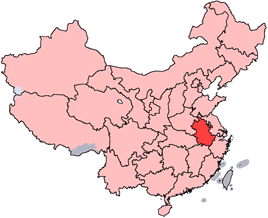
Lujiang County is a county-level division in eastern China, situated within Anhui province and administered by the prefecture-level city of Hefei. The county occupies an area of about 2,352 km² and has a population of roughly 1.2 million people. Its position near Anhui's provincial centre has shaped its links to regional markets and infrastructure.
Image gallery
3 Images

Geography and administration
Topography in the county combines low plains with rolling hills and river valleys, typical of this part of Anhui. Agricultural land and built-up urban areas coexist with smaller industrial zones. Administratively, the county is divided into towns and townships which manage local services, agriculture, education and basic infrastructure under the county government.
History
Lujiang has historical roots extending back through imperial Chinese administrations. Over centuries it developed as an agricultural and market area serving surrounding rural districts. In the 20th and 21st centuries the county experienced modernization of transport links, urban expansion and diversification of local industry while retaining many rural communities and traditions.
Economy and transport
The county economy is mixed. Key sectors include:
- Agriculture and food production, supporting local and regional demand;
- Light manufacturing and processing industries that supply nearby urban centres;
- Growing service and retail activities in county towns.
Transport connections include regional highways and rail links that connect Lujiang to Hefei and to broader provincial and national networks, facilitating commerce and commuter movement.
Culture and notable features
Local culture reflects Anhui traditions in cuisine, folk festivals and dialects. Towns in the county often celebrate seasonal agricultural festivals and maintain community activities tied to rural life. Natural scenery around river valleys and hills provides local recreation and contributes to the county's identity.
For broader context about the country's administrative structure and regional setting, see China.
Related articles
Author
AlegsaOnline.com Lujiang County (Anhui, China) Leandro Alegsa
URL: https://en.alegsaonline.com/art/59868