
Luis Lusquiños — Argentine politician (1951–2017)
Argentine politician from San Luis Province; served briefly as Chief of the Cabinet under Adolfo Rodríguez Saá in 2001 and later as a national deputy noted for absenteeism. Died in 2017.
Luis Lusquiños (27 November 1951 – 17 June 2017) was an Argentine political figure known for his work in both provincial and national arenas. Born in the San Luis Province, he became a familiar name in the region's political life and was aligned with the Rodríguez Saá circle that has long influenced local politics. Lusquiños combined administrative posts with legislative service during a career that spanned several decades.
On the national stage he is best remembered for being appointed Chief of the Cabinet of Ministers during the brief, interim presidency of Adolfo Rodríguez Saá in December 2001, a moment that fell amid Argentina's wider political and economic crisis. That short-lived cabinet post placed him at the center of a turbulent transfer of power, and it remains one of the most notable episodes of his public life.
Following that episode Lusquiños served in the Argentine National Congress as a deputy representing his province. During the 2005–2009 legislative period he attracted attention for having a very high number of absences from parliamentary sessions, a record that prompted public criticism and media coverage about accountability and legislative attendance. Observers and constituents discussed his level of participation alongside his influence within provincial networks.
Image gallery
2 Images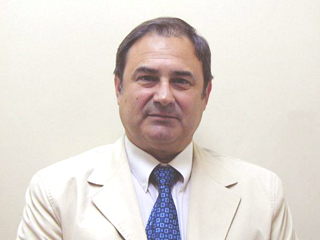

Roles and significance
- Provincial political actor in San Luis, associated with the Rodríguez Saá group.
- Appointed Chief of the Cabinet of Ministers during Adolfo Rodríguez Saá's interim presidency in December 2001.
- Served as a national deputy during the mid-2000s, with a contested attendance record.
Lusquiños's career illustrates the close ties that can exist between provincial power brokers and national office in Argentina: figures who build a base at the provincial level can move into national roles during moments of political upheaval. His appointment in 2001 and subsequent legislative work continued to tie him to debates over governance, representation and political accountability.
Luis Lusquiños died on 17 June 2017 at the age of 65. His passing was noted in regional and national press, which recalled both his proximity to the Rodríguez Saá family and the controversies that marked parts of his legislative tenure. For students of recent Argentine politics his trajectory offers a concise example of how local political machines interact with moments of national crisis.
Related articles
Author
AlegsaOnline.com Luis Lusquiños — Argentine politician (1951–2017) Leandro Alegsa
URL: https://en.alegsaonline.com/art/59849
Sources
- diariolaciudaddesanluis.com : Luis Lusquiños nunca fue a trabajar
- lanacion.com.ar : Armó el gabinete con intención de seguir
- lanacion.com.ar : "Falleció el diputado nacional Luis Lusquiños, cercano a los Rodríguez Saá"