
Lucretia Mott: Quaker Minister, Abolitionist, and Early Women's Rights Leader
Lucretia Mott (1793–1880) was an American Quaker minister, abolitionist, and advocate for women's rights who helped organize the Seneca Falls Convention and linked anti-slavery and feminist causes.
Overview
Lucretia Coffin Mott (1793–1880) was a prominent American reformer whose work spanned abolition, women's rights, and Quaker ministry. Known for a calm but resolute manner, she brought religious conviction to public causes and helped shape 19th-century social movements in the United States.
Image gallery
10 Images





Background and beliefs
Born into a Quaker family in Nantucket, Mott was educated in the Quaker tradition that emphasized equality, simplicity, and inner light. She served as a Quaker minister for many years and often grounded her public speeches in spiritual as well as moral arguments. Her faith informed her opposition to slavery and to legal and social restrictions on women.
Activism and public work
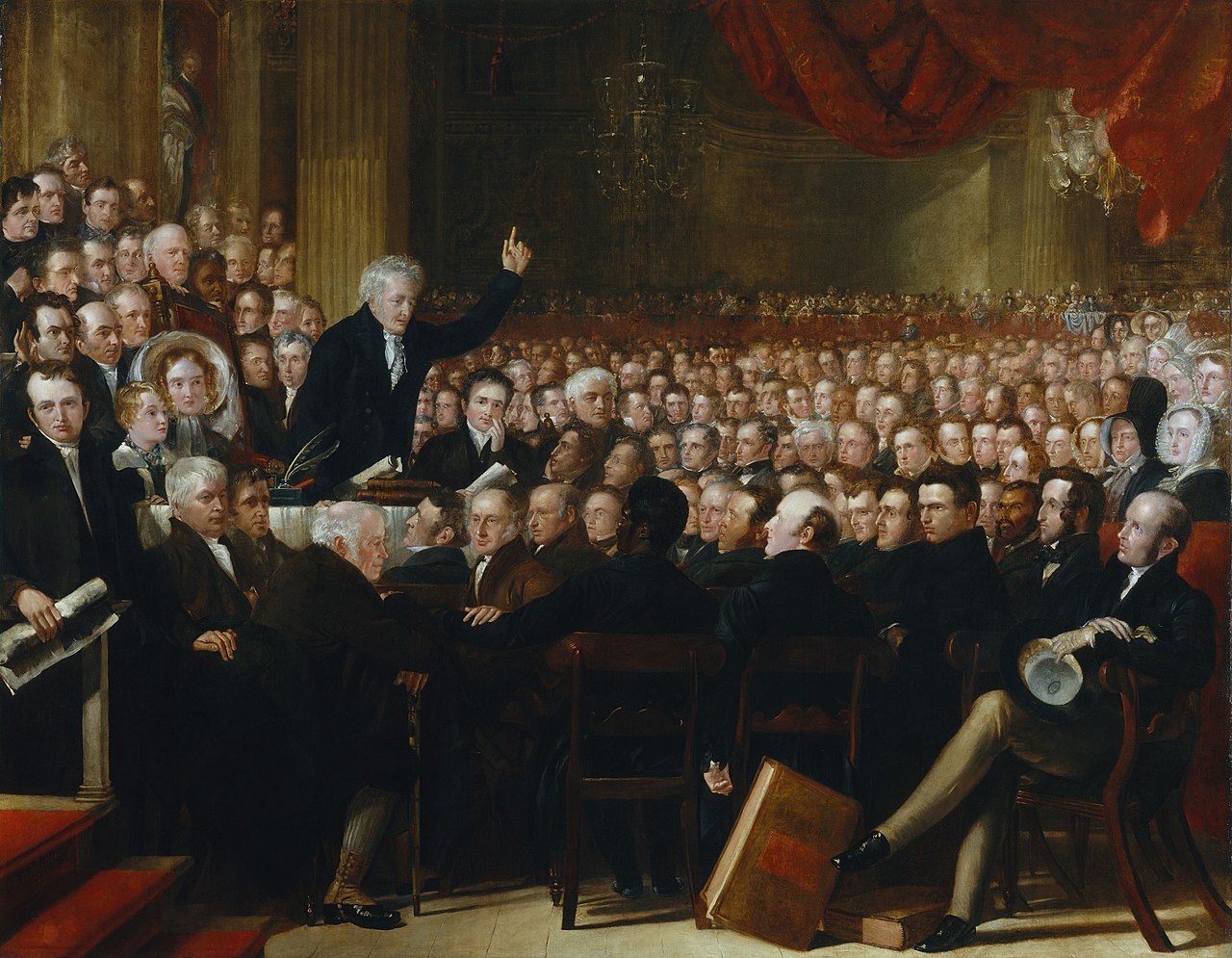
Mott became active in anti-slavery organizing in the early 19th century and was a leading figure among abolitionists in Philadelphia. She worked with integrated and female-led organizations and was widely respected for refusing to accept racial or gender discrimination at public events. One turning point came when women delegates were excluded from an international anti-slavery meeting, an episode that helped Mott see the need for a distinct movement for women’s rights.
Role in the women’s rights movement
In 1848 Mott helped organize the first women’s rights convention in Seneca Falls alongside other activists. She supported efforts to secure legal reforms and public recognition of women’s equal moral and civic capacities. While she preferred persuasion and moral suasion over radical tactics, her advocacy helped lay the institutional groundwork for later reform.
Notable contributions and legacy
- Bridge between movements: Mott linked abolition and women’s rights, arguing each struggle advanced principles of human dignity.
- Organizational leadership: She participated in founding and sustaining societies devoted to reform and relief.
- Influence on successors: Her moral authority and public example influenced figures who followed in the late 19th and early 20th centuries.
Why she matters
Mott is remembered as an early and influential voice for equal rights. Her blend of religious conviction, organizational skill, and commitment to nonviolent advocacy contributed to long-term changes in American social and political life. For readers seeking more detailed accounts of her life and writings, consult specialized biographies and archival collections at institutions that hold Quaker and abolitionist records: see general resources on abolitionism here and historical materials related to her Philadelphia work here or her Nantucket origins here.
Related articles
Author
AlegsaOnline.com Lucretia Mott: Quaker Minister, Abolitionist, and Early Women's Rights Leader Leandro Alegsa
URL: https://en.alegsaonline.com/art/59743