
Love the Way You Lie — Eminem and Rihanna (2010 song)
A 2010 hip-hop/pop collaboration by Eminem and Rihanna from Eminem's Recovery. The song explores a volatile relationship, earned global commercial success and generated debate over its portrayal of domestic violence.
Overview
"Love the Way You Lie" is a 2010 pop‑inflected hip‑hop single performed by Eminem with vocals by Rihanna. Released as a prominent track from Eminem's seventh studio album Recovery, the recording pairs rap verses with a melodic, commercially oriented chorus and became one of the year’s most discussed songs. The release was promoted as the album’s second single and quickly reached wide radio play and streaming attention.
Image gallery
6 Images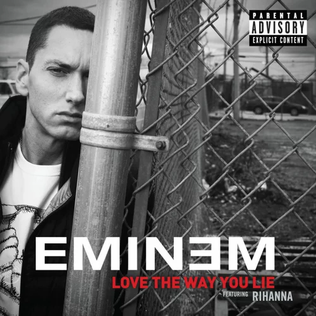



Creation and credits
The song was written and produced by a team that includes Marshall Mathers (Eminem), Alexander Grant (often credited as Alex da Kid), Makeba Riddick, and Holly Brook Hafermann, who now records as Skylar Grey. Its production combines dramatic piano motifs, layered percussion and a singable hook that supports Eminem’s confessional, narrative verses. The collaboration brought together a high‑profile rapper and a chart‑proven pop vocalist to create a crossover appeal; many observers cited the pairing as a major factor in its commercial performance and cultural resonance.
Themes, lyrics and public reaction
At its core the song depicts a cyclical, volatile relationship in which affection and harm coexist. Lyrics portray anger, reconciliation and repetition rather than a single linear event. Because the subject matter echoes issues of intimate partner violence, the song prompted public discussion about whether it depicts, critiques, or glamorizes abusive dynamics. Rihanna’s involvement — coming after her own highly publicized experience with personal assault — intensified attention, with some listeners finding the pairing of performer and material powerful and others uneasy.
Music video and visual interpretation
The cinematic music video presents a dramatized, often tense portrayal of a romantic couple. It features actors Megan Fox and Dominic Monaghan and was accompanied by commentary about the depiction of real‑world domestic violence. The clip and televised performances emphasized the emotional extremes of the song and reinforced debates about artistic responsibility when representing abusive relationships. The official music video and behind‑the‑scenes material contributed to the track’s visibility.
Reception, impact and legacy
Commercially, the single achieved high chart placings in multiple countries and became one of Eminem’s signature contemporary hits. Critics praised the intensity of the vocal performances and the track’s hook while offering mixed responses to its narrative framing. The song sparked broader conversations about how popular music negotiates trauma and conflict, and it remains frequently cited in discussions of collaborations that cross genre lines.
Further notes
- Writing credits list several collaborators including the artist now known as Skylar Grey; production credits often reference Alex da Kid.
- The recording illustrates how mainstream pop and hip‑hop producers structure songs for both radio and narrative impact.
- For more details about the single’s release and versions, see the single page and artist discographies linked to the main entries and promotional materials about the track and album (single, Barbadian singer, collaboration).
Related articles
Author
AlegsaOnline.com Love the Way You Lie — Eminem and Rihanna (2010 song) Leandro Alegsa
URL: https://en.alegsaonline.com/art/59543