
L'Oudon — former commune in Calvados, Normandy
L'Oudon was a small rural commune in the Calvados department of northwestern France. In 2017 it was merged into the new commune Saint-Pierre-en-Auge as part of wider local administrative reorganisation.
Overview
L'Oudon is a former French commune that until recent administrative reforms was recognised as an independent municipal entity. It occupied a modest area typical of rural settlements in this part of the country and was organised under the French system of communes, the smallest unit of local government.
Image gallery
1 Image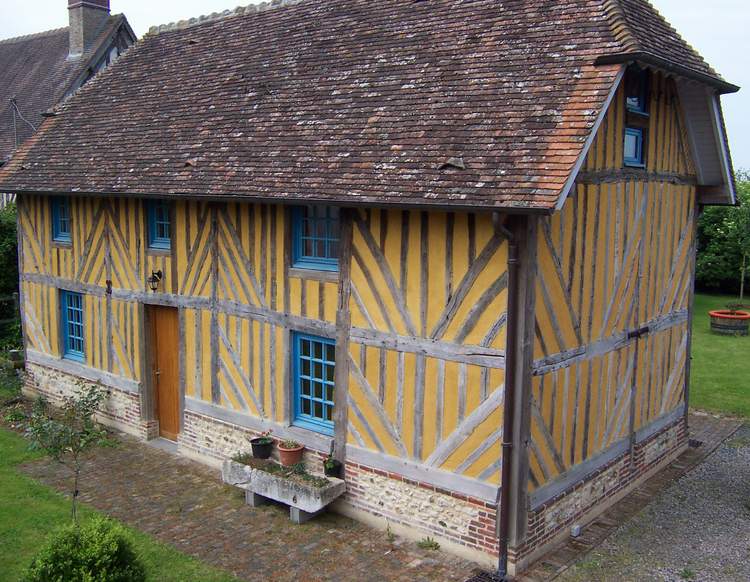
Location and administration
The locality lay within the historical region of Basse-Normandie and more specifically in the Calvados department, a coastal inland area known for its agricultural landscape and Norman heritage. Geographically it sat in the northwestern quadrant of the country, a region often described as northwest France with a temperate climate and rolling countryside.
Recent administrative change
On 1 January 2017 L'Oudon ceased to exist as an independent commune when it was merged into the newly created commune of Saint-Pierre-en-Auge. This change formed part of a broader national pattern of voluntary mergers intended to pool resources, streamline services and improve governance in areas with small, dispersed populations.
Characteristics
- Rural character: predominantly agricultural land use and low population density.
- Local governance: prior to 2017 it had its own mayor and municipal council, like other French communes.
- Cultural landscape: buildings and settlement patterns typical of Normandy, including parish churches, farmsteads and lanes.
Although small and not widely known beyond its department, L'Oudon exemplifies many of the historical and administrative features common to rural communes in Normandy. Records, local archives and contemporary administrative notices provide the principal sources for its recent status and any further historical details.
For administrative or genealogical enquiries, one would normally consult departmental archives or the municipal structures of Saint-Pierre-en-Auge and the Calvados authorities referenced above.
Related articles
Author
AlegsaOnline.com L'Oudon — former commune in Calvados, Normandy Leandro Alegsa
URL: https://en.alegsaonline.com/art/59401
Sources
- legifrance.gouv.fr : Arrêté préfectoral