
Lord Mayor of London
Ceremonial and civic head of the City of London Corporation, representing the Square Mile's financial and civic interests at home and abroad; distinct from the Mayor of Greater London.
Overview
The Lord Mayor of London is the chief civic officer of the City of London and the leading representative of the City of London Corporation. The office is rooted in medieval municipal government and today combines ceremonial, ambassadorial and civic responsibilities concentrated on the Square Mile — the historic and financial district commonly referred to as the City. The Lord Mayor should not be confused with the Mayor of London, who governs the wider area of Greater London; the two posts are separate in function and geography. For more on the institutional area, see City of London, while distinctions with the wider mayoralty are discussed at Mayor of London and the region at Greater London.
Image gallery
10 Images


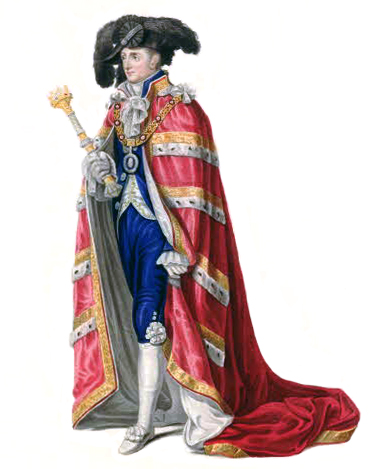


Role and typical duties
Although the Lord Mayor holds an office with deep ceremonial trappings, the position also performs practical duties connected with the City's commercial life and civic institutions. The role traditionally includes acting as an ambassador for the United Kingdom's financial and professional services, hosting visiting business delegations and foreign dignitaries, and supporting charities and civic causes within the City. The Lord Mayor is also associated with local institutions: for example, the incumbent customarily serves in a university ceremonial role and has longstanding links with the City's livery companies and guilds.
- Representative duties: Promoting the City's financial services internationally and fostering trade links.
- Civic functions: Presiding at ceremonial events, receptions and public commemorations within the City.
- Institutional roles: Maintaining relationships with livery companies, charities and City institutions; acting as a patron or chancellor in some civic educational contexts.
Election, term and ceremonial life
The Lord Mayor is elected for a single one-year term, a short period that reflects the post's historical origins and its civic character. The election takes place in autumn, and the successful candidate usually takes office in November. The inauguration is followed by a range of public ceremonial events — the best known being the Lord Mayor's Show, a long-established procession through the City's streets involving floats, regalia and civic pageantry. The Lord Mayor's official residence and offices are based at historic locations such as the Mansion House, and the holder often makes use of traditional symbols of office including robes and the State Coach for formal occasions.
Historical development
The office dates back many centuries and grew out of medieval urban government in London. Over time the Lord Mayor evolved from a local municipal leader with judicial and administrative powers into a mainly ceremonial figure who nevertheless retains strong symbolic authority and practical influence in business and civic networks. The continuity of the office, its rituals and its links with the livery companies contribute to the City's distinct civic identity. While the specific powers and everyday responsibilities have changed across eras, the Lord Mayor remains a visible embodiment of the City's history and its ongoing role as a financial centre.
Importance and notable distinctions
Two important points clarify the Lord Mayor's contemporary significance. First, the role is primarily ceremonial and civic rather than a party-political executive: the Lord Mayor acts as a nonpartisan promoter and host rather than as an elected policymaker for London as a whole. Second, the territory and remit are narrow but influential: the City of London covers a small geographic area but is home to major financial institutions, so the Lord Mayor's international engagement often aims to support the UK's wider economic interests. For perspective, the national and regional responsibilities of the Greater London mayoralty are separate and larger in scale; readers can follow those distinctions via Mayor of London and references to Greater London.
Contemporary practice and public profile
Modern holders of the office tend to be drawn from business, particularly finance and commerce, reflecting the City’s economic character. In addition to formal duties they typically champion charitable causes, attend international business missions, and support educational and cultural institutions connected with the City. The combination of ceremonial pageantry, historic continuity and active promotion of the City's economic strengths ensures the Lord Mayor remains a distinctive and recognizable figure in London's civic life.
Note: The office is renewed annually and individual officeholders change each year; the article focuses on the functions and history of the position rather than on any single incumbent.
Related articles
Author
AlegsaOnline.com Lord Mayor of London Leandro Alegsa
URL: https://en.alegsaonline.com/art/59215
Sources
- webarchive.nationalarchives.gov.uk : webarchive.nationalarchives.gov.uk/ukgwa/20110926150228/http://www.cityoflondon.gov.uk/Co…
- team-2012.com : Team 2012