
Long Wittenham: village, landscape and history
Long Wittenham is a riverside village in South Oxfordshire known for its riverside setting, nearby wooded hills and long history; transferred from Berkshire to Oxfordshire in 1974.
Overview
Long Wittenham is a small village on the south bank of the River Thames, within the district of South Oxfordshire. Its location beside the river and close to wooded hills gives it a characteristic riverside and rural appearance. The village combines residential properties, agricultural land and patches of woodland, and it serves as a local centre for surrounding hamlets and farms.
Image gallery
2 Images
Landscape and notable features
The immediate landscape includes floodplain meadows by the Thames and higher ground to the south made distinctive by a pair of small wooded hills that are a familiar local landmark. These hills are visible from a wide area and offer panoramic views across the Thames valley. The riverside and slopes provide habitats for a diversity of plants and birds and are traversed by public footpaths and informal tracks.
History and development
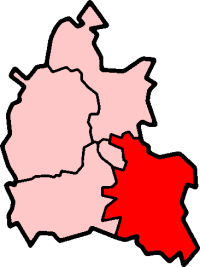
Settlement in the area dates back many centuries, with the riverside location favouring farming, meadow management and river transport in earlier times. Long Wittenham traditionally belonged to the historic county of Berkshire but, as part of wider local government reorganisation in 1974, it was transferred into the administrative county of Oxfordshire and into the modern district of South Oxfordshire.
Community and economy
Today the village retains a mix of long-standing families, commuters and people working in local agriculture or conservation. Typical village services and community facilities support local life, while nearby towns provide broader shops and services. The river and surrounding countryside also attract walkers and visitors, contributing to a modest local visitor economy.
Recreation, conservation and access
Long Wittenham is popular with walkers, naturalists and those seeking river activities. Conservation groups and landowners manage patches of woodland and meadow to conserve wildlife and traditional landscape features. Public rights of way link the village to riverside routes and higher viewpoints, making it accessible for day visits and country walks.
Distinctive facts
- Riverside position on the Thames defines much of the village character.
- Nearby wooded hills form a local landmark and contain historical earthworks.
- The 1974 administrative change moved the village from Berkshire to Oxfordshire.
Related articles
Author
AlegsaOnline.com Long Wittenham: village, landscape and history Leandro Alegsa
URL: https://en.alegsaonline.com/art/59112