
London Borough of Lambeth
A diverse borough in south London known for its riverside cultural institutions, lively neighbourhoods such as Brixton and Clapham, historic sites like Lambeth Palace, and major transport hubs including Waterloo.
Overview
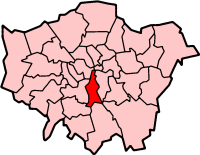
The London Borough of Lambeth is an inner London borough on the south bank of the River Thames in south London, in England. It combines dense urban districts near the river with more residential neighbourhoods to the south. Lambeth is administratively governed by Lambeth Council and forms part of Greater London.
Image gallery
10 Images






Districts and character
Lambeth contains a patchwork of neighbourhoods, each with a distinct identity. Key areas include:
- Brixton — a busy commercial and cultural centre, known for markets, music venues and a multicultural population.
- Clapham and Clapham Common — green space and a mixture of housing, cafés and nightlife.
- Vauxhall and Waterloo — riverside districts with transport hubs and ongoing redevelopment.
- Kennington and Lambeth proper — residential streets, civic buildings and historic sites.
History and name
The area now called Lambeth has ancient origins and grew as London expanded south of the Thames. The place name is thought to derive from Old English elements referring to a landing place or wharf for livestock. Over centuries the borough developed from riverside estates and marshy land into a mix of industrial, civic and residential uses.
Culture, landmarks and sport
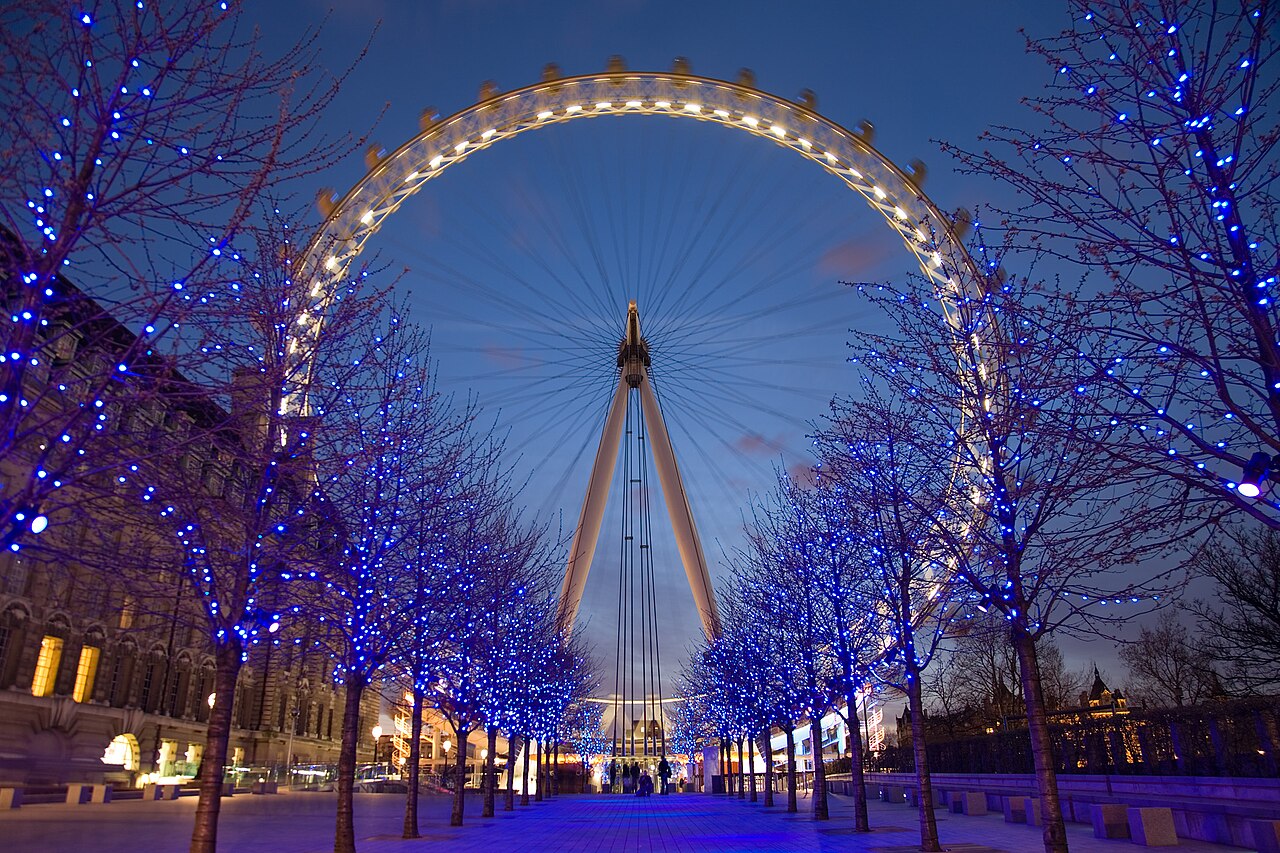
Lambeth hosts several prominent cultural institutions and attractions clustered along the South Bank and nearby streets. Notable sites associated with the borough include Lambeth Palace (the historic London residence of the Archbishop of Canterbury), the riverside arts venues and the London Eye, as well as major music venues and markets in Brixton. The Oval cricket ground in Kennington is a long-established sporting landmark.
Transport, economy and regeneration
The borough is well connected: major rail and underground stations provide links across London and beyond, making it a transport focus for commuters and visitors. Areas close to the river have seen substantial redevelopment, blending new housing, offices and cultural space with existing communities. The local economy is a mix of retail, hospitality, professional services and public institutions.
Community and governance
Lambeth's population is diverse in background, age and household type. The council runs local services including housing, planning and cultural programmes, and the borough is active in initiatives for social inclusion, urban regeneration and the preservation of historic buildings.
Related articles
Author
AlegsaOnline.com London Borough of Lambeth Leandro Alegsa
URL: https://en.alegsaonline.com/art/59000