
Logroño — capital city of La Rioja, Spain
Logroño is the administrative and cultural centre of La Rioja in northern Spain, situated on the Ebro river. Known for its wine, tapas culture and as a stop on the Camino de Santiago.
Overview
Logroño is a city in northern Spain that serves as the capital and main urban centre of the autonomous community of La Rioja. It lies in the valley of the Ebro river and has a resident population of about 150,000 people. The city combines a compact historic core with modern residential and commercial districts and functions as the region's political, economic and cultural hub.
Image gallery
10 Images
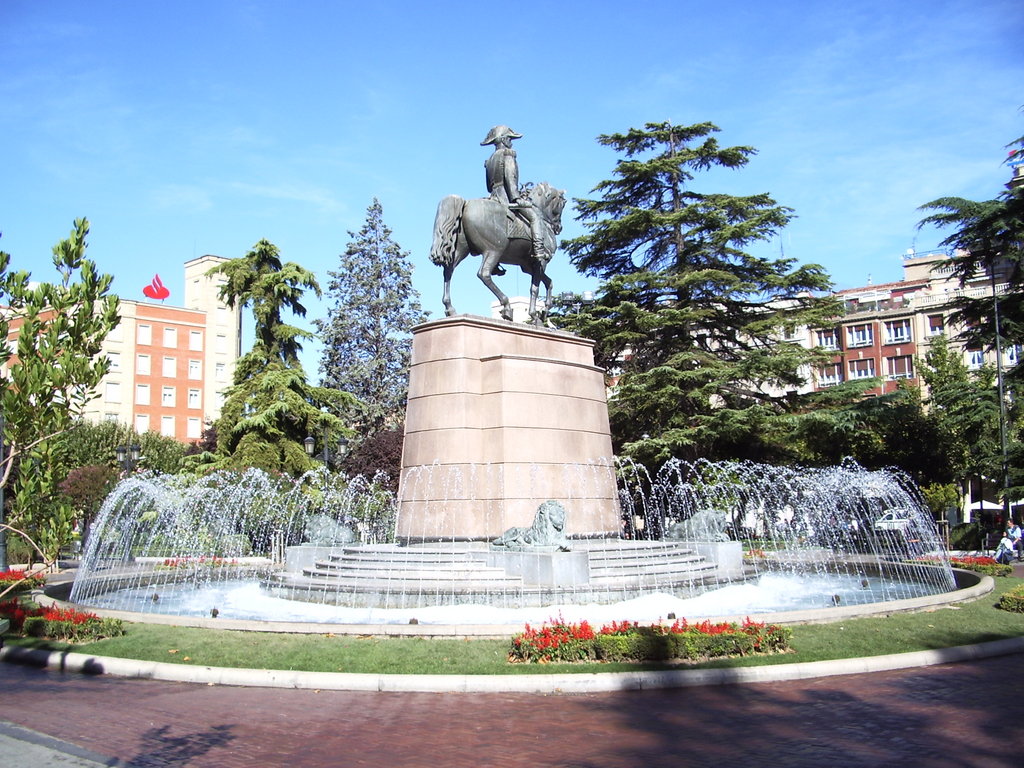

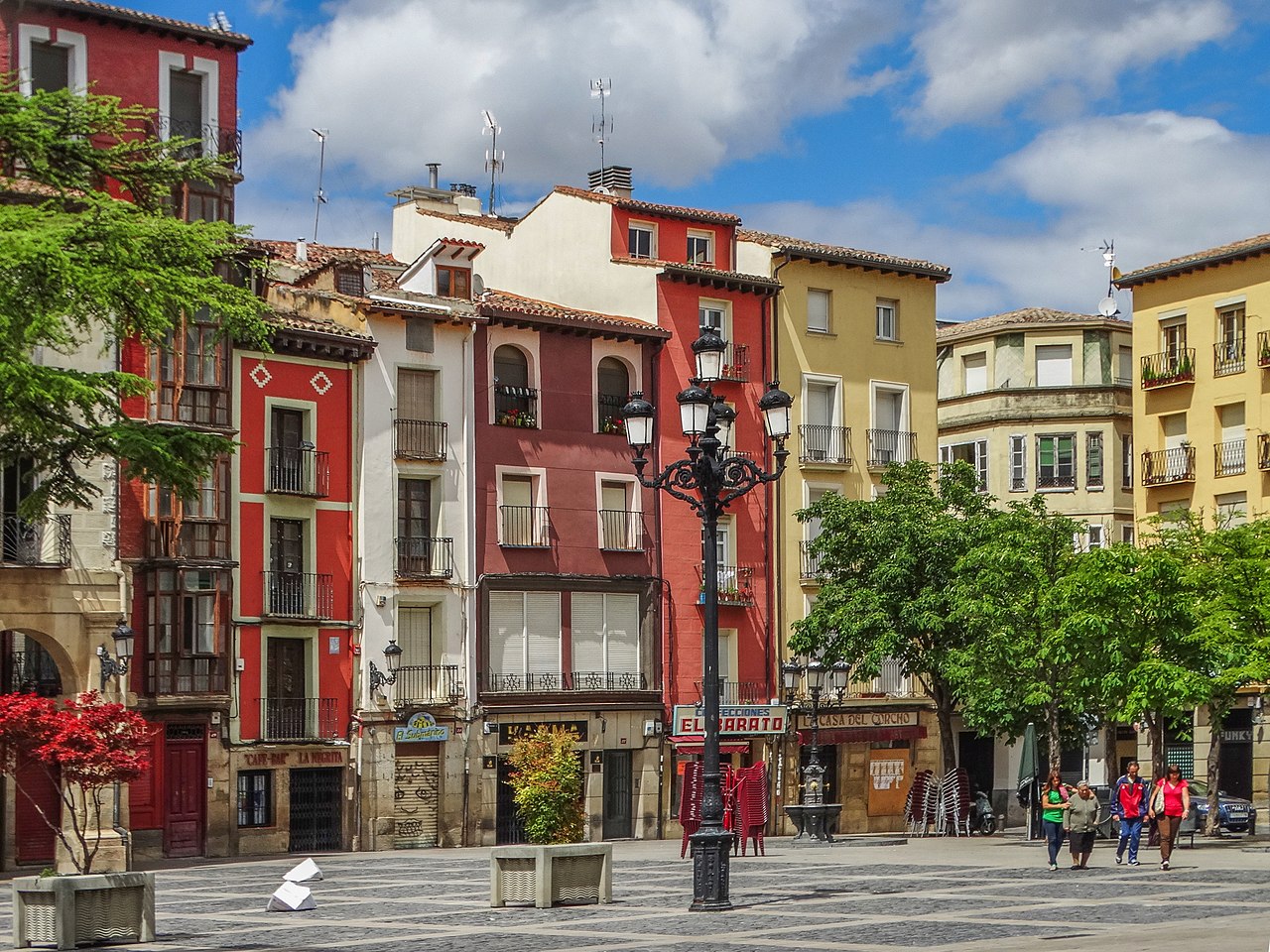


Geography and climate
Logroño's position on the Ebro valley places it at the heart of a landscape of vineyards and agricultural plains. The local climate is transitional between Mediterranean and continental types, with hot summers and cool winters; seasonal variation helps shape the viticulture that surrounds the city. Green belts and riverfront promenades are notable features of the urban layout.
History and development
The site of Logroño has been occupied since antiquity and expanded during the medieval period as a strategic river crossing and market town. Over the centuries it developed fortifications, religious buildings and civic institutions. As the capital of La Rioja, it has absorbed administrative functions and grown steadily into a regional centre while retaining a discernible old town made up of narrow streets and historic plazas.
Economy, wine and gastronomy
Viticulture and wine production are central to the surrounding economy: La Rioja is one of Spain's best-known wine regions and Logroño acts as a commercial and tasting centre for both small bodegas and larger wineries. The city is also noted for its tapas culture — small plates and local specialities served in bars and tabernas — which attracts residents and visitors alike.
Culture, festivals and pilgrimage
Logroño hosts seasonal festivities linked to the wine harvest and local traditions. It is also situated along a variant of the Camino de Santiago, the long-distance pilgrimage route, which brings international visitors and influences the city's hospitality sector. Cultural life includes museums, theatres and annual events that celebrate regional cuisine, music and popular customs.
Landmarks and transport
- Historic cathedral and medieval churches in the old town.
- Busy tapas streets and markets that exemplify local food culture.
- Riverfront bridges and parks along the Ebro.
Logroño is connected by road and rail to the rest of Spain and has local public transport that serves commuters and visitors. The combination of heritage, wine-related attractions and a manageable urban scale make it an important regional centre for residents and travellers.
For general information and practical details about visiting or studying the city, consult local guides and official resources linked from municipal and regional sites.
Related articles
Author
AlegsaOnline.com Logroño — capital city of La Rioja, Spain Leandro Alegsa
URL: https://en.alegsaonline.com/art/58882