
Loir-et-Cher — department in Centre-Val de Loire, central France
Loir-et-Cher is a central French department named for the Loir and Cher rivers. It includes Blois, Romorantin-Lanthenay and Vendôme, contains famous châteaux and mixed agricultural and forested landscapes.
Loir-et-Cher is a French department located in central France. Administratively it belongs to the Centre-Val de Loire region. The name combines the two main waterways that cross the territory: the Loir and the Cher, both important rivers for local geography and history.
Image gallery
6 Images


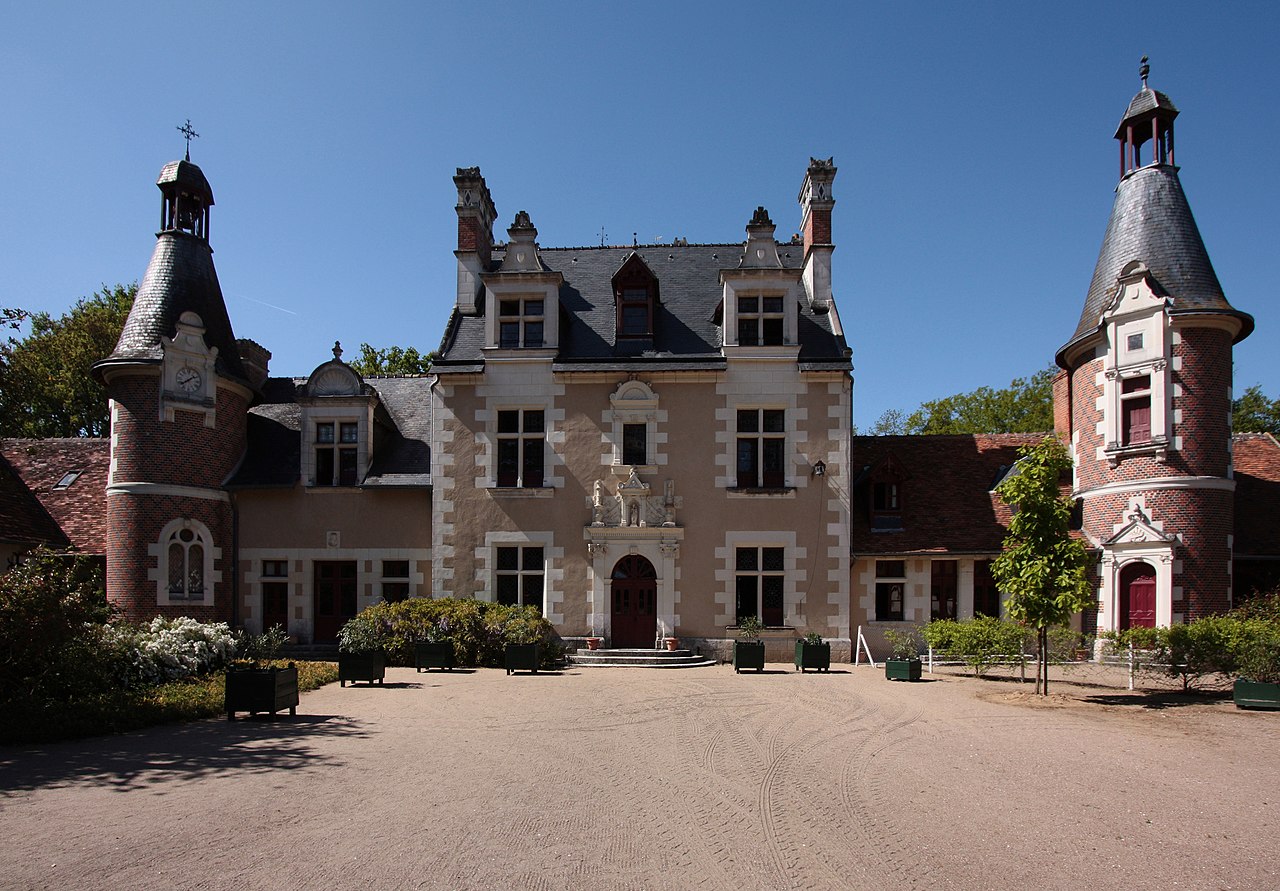

Administration and main towns
The department's administrative seat and largest town is Blois, which houses the prefecture and many public services associated with the prefecture. Two subprefectures manage local affairs in Romorantin-Lanthenay and Vendôme. Local government is conducted by an elected departmental council and by municipal councils in each commune.
Geography and landscape
Loir-et-Cher sits between the Loire valley, the agricultural plain of the Beauce and the wooded Sologne. Its terrain mixes river valleys, forests, ponds and farmland. The Cher valley contributes to the Loire river basin, while the Loir (not to be confused with the larger Loire) flows to the north; both shape local soils, routes and settlement patterns.
History and heritage
Created during the administrative reorganization of France in the late 18th century, the department preserves a dense historical legacy. It is noted for Renaissance and medieval architecture, including manor houses, churches and a cluster of Loire Valley châteaux that attract international visitors. Many sites reflect the region's strategic and cultural role across centuries.
Economy, culture and tourism
The local economy combines mixed agriculture (cereals, livestock, vineyards in small areas), forestry, artisan activity and tourism. Cultural life is animated by festivals, markets and museums; outdoor recreation such as hunting, fishing and boating is popular in the Sologne woodlands and parklands. Tourism focuses on historic towns and estates along the river corridors.
Notable sites
- Château de Blois — historic royal residence in the prefecture.
- Château de Chambord — large Renaissance château set in a vast park, emblematic of the Loire châteaux.
- Cheverny and other nearby manor houses — well preserved and open to the public.
- Sologne landscapes — valued for wildlife, lakes and traditional country life.
Loir-et-Cher combines rural character with accessible heritage attractions. Its rivers, woodlands and towns make it representative of the broader Loire valley environment while retaining distinct local traditions and administrative roles within the Centre-Val de Loire region.
Questions and answers
Q: What is Loir-et-Cher?
A: Loir-et-Cher is a department in the centre of France in the Centre-Val de Loire region.
Q: What is the name derived from?
A: The name of the department is derived from two rivers, the Loir and the Cher, that flow through it.
Q: Where is its prefecture located?
A: The prefecture of Loir-et-Cher is located in Blois.
Q: Are there any subprefectures within this department?
A: Yes, there are two subprefectures within this department - Romorantin-Lanthenay and Vendôme.
Related articles
Author
AlegsaOnline.com Loir-et-Cher — department in Centre-Val de Loire, central France Leandro Alegsa
URL: https://en.alegsaonline.com/art/58902
Sources
- le-loir-et-cher.fr : "Le Président"
- insee.fr : "Département du Loir-et-Cher (41) - Résumé statistique"
- insee.fr : "Populations légales 2014 des départements et des collectivités d'outre-mer"
- splaf.free.fr : "Historique de Loir-et-Cher"
- peakbagger.com : "Bois des Vallèes, France"
- weatherbase.com : "Vendome, France - Köppen Climate Classification"
- insee.fr : "Département du Loir-et-Cher (41)"
- insee.fr : "Régions, départements, arrondissements, cantons et communes"
- insee.fr : "Département du Loir-et-Cher (41)"
- legifrance.gouv.fr : "Décret n° 2014-213 du 21 février 2014 portant délimitation des cantons dans le département de Loir-et-Cher"
- habitants.fr : "Loir-et-Cher"