
Logan Square, Chicago
Historic northwest Chicago community and neighborhood centered on a public square; noted for tree-lined boulevards, greystones and bungalows, active dining and arts scenes, and rapid transit access.
Overview
Logan Square is both one of Chicago's 77 official community areas and a neighborhood built around a central public square. The neighborhood takes its name from the triangular plaza at the intersection of Milwaukee Avenue, Logan Boulevard and Kedzie Boulevard; that square remains a focal point for civic life and neighborhood events. For an introduction to the square itself see the public square.
Image gallery
9 Images


Characteristics and architecture
The area is distinguished by long, tree-lined boulevards and a mix of masonry housing styles from the late 19th and early 20th centuries. Walks through the neighborhood reveal rows of greystone buildings, classic Chicago bungalows and large two- and three-flat apartment buildings, all set along broad medians and parkway strips.
- Prominent boulevards and landscaped medians
- Greystone and bungalow residential stock
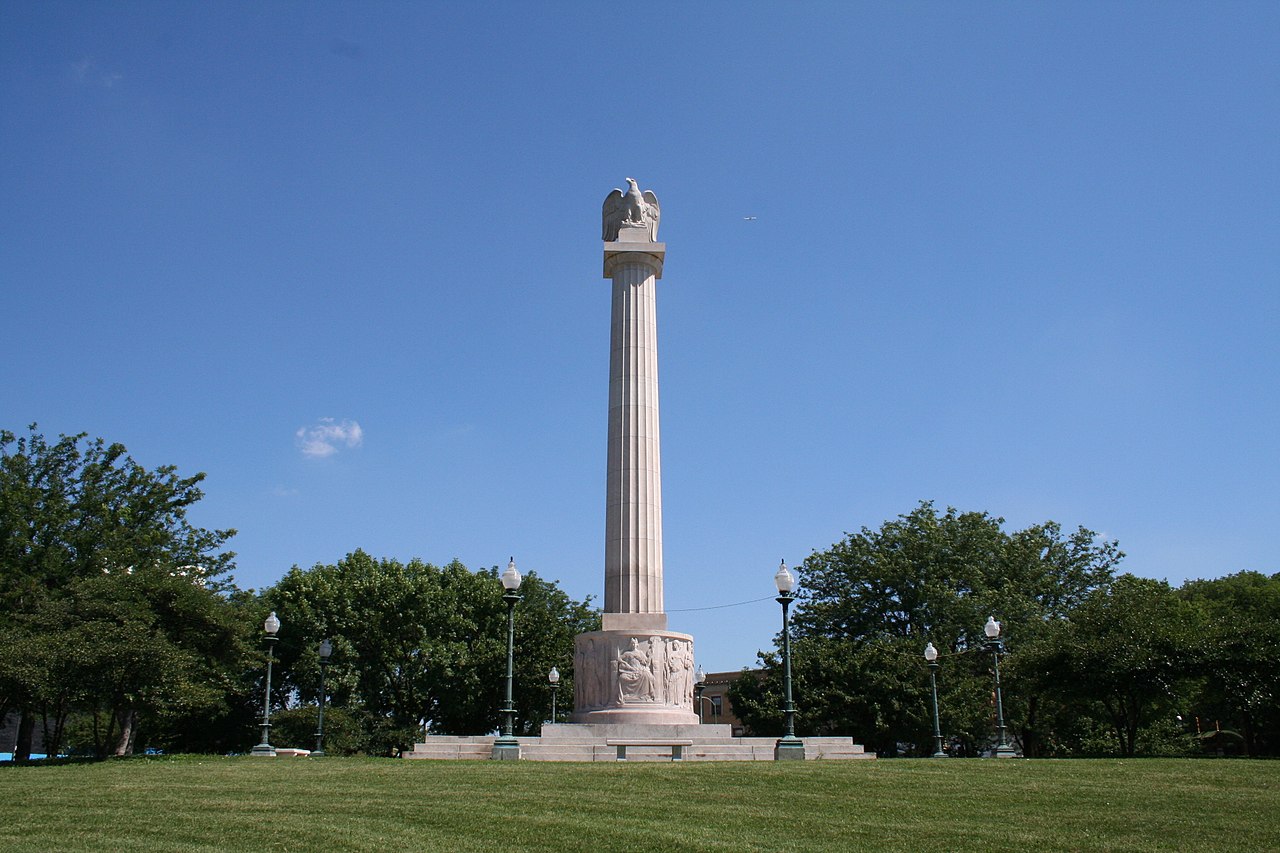
- A central monument and civic plaza
Information about the broader community area and its layout can be found via local planning resources: community area overview.
History and development
Logan Square grew rapidly in the late 19th and early 20th centuries as Chicago expanded northwestward. The diagonal route of Milwaukee Avenue and the boulevard system shaped its distinctive street pattern. Immigrant communities established churches, businesses and social clubs, and over time the neighborhood developed a layered cultural identity shaped by successive waves of residents.
Transportation, parks and public life
Transit access — including a major rapid-transit station on the city's rail network — supports commuting and local commerce. The neighborhood's boulevards and plazas provide spaces for farmers markets, festivals and outdoor gatherings. The Illinois Centennial Monument, a prominent sculptural feature in the square, often serves as a visual anchor for public events.
Present-day culture and notable facts
Today Logan Square is known for a vibrant mix of restaurants, cafés, bars, galleries and small businesses. It attracts residents who value its architectural character, parks and comparatively central location. While the neighborhood has experienced change and rising housing demand in recent years, it remains notable for its boulevard-focused streetscape and the concentration of historic housing types. For more on local architecture and housing see architecture and homes.
Related articles
Author
AlegsaOnline.com Logan Square, Chicago Leandro Alegsa
URL: https://en.alegsaonline.com/art/58846