
Loammi Baldwin: American engineer, soldier, and early civil engineering pioneer
Loammi Baldwin (1744–1807) was an American militia officer, politician, and surveyor-engineer credited with major early work on the Middlesex Canal and for fostering a family tradition of civil engineering.
Overview
Loammi Baldwin (1744–1807) was an American militia officer, public official, and self-taught practical engineer active in the late 18th and early 19th centuries. He is often called a founder of professional civil engineering in the United States because of his role in major early infrastructure projects and his influence on the next generation of engineers. Baldwin combined military service during the American Revolutionary War with later years devoted to surveying, construction, and public affairs.
Image gallery
3 Images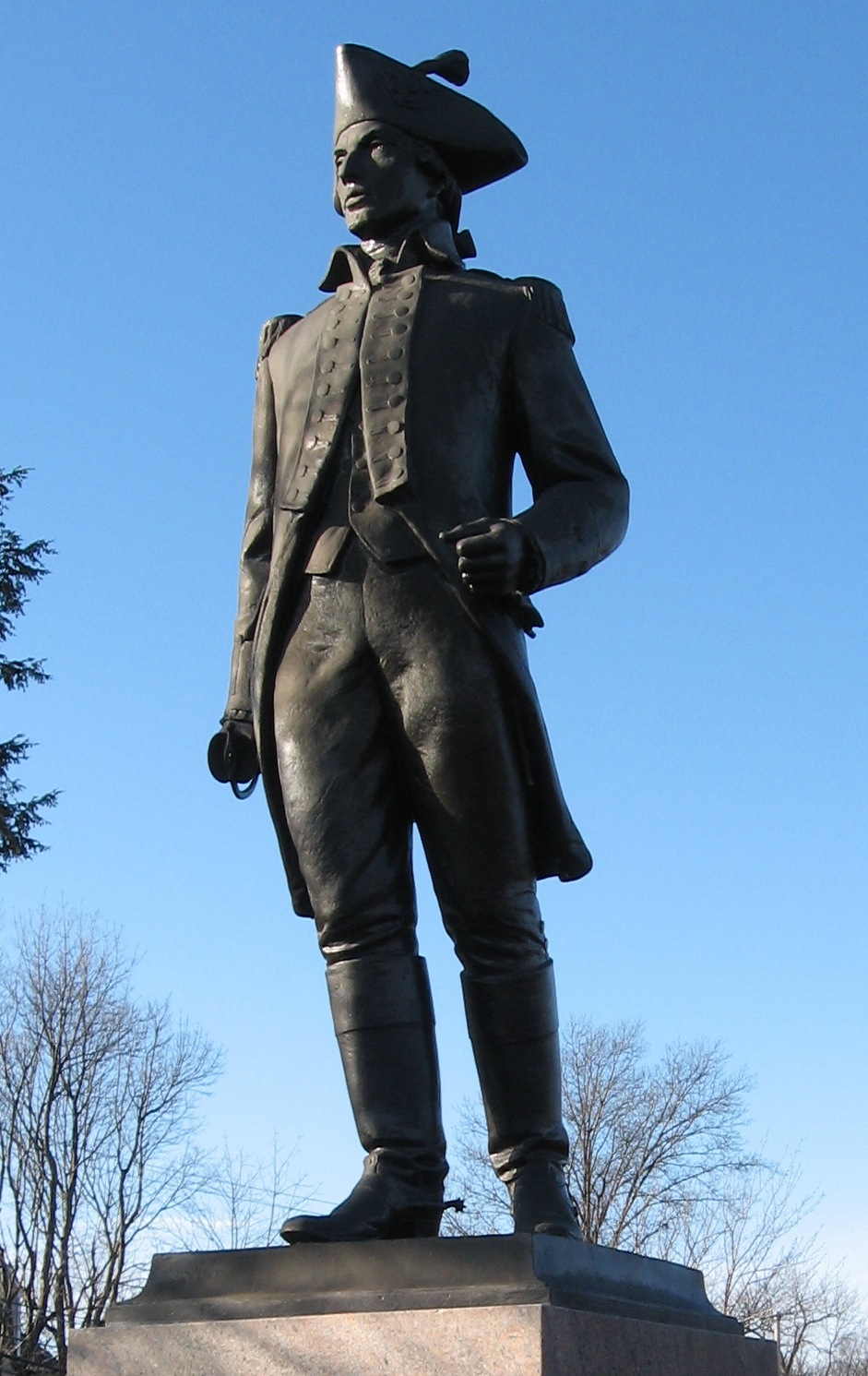


Engineering work and the Middlesex Canal
Baldwin became best known for his work on the Middlesex Canal, a major inland navigation project that linked inland Massachusetts to the Boston area. As surveyor and supervising engineer for the canal, he planned routes, oversaw construction, and worked to adapt European canal-building techniques to New England conditions. The project required practical mastery of levelling, earthworks, locks, and water control, and it served as a formative example of large-scale civil engineering in the young United States.
Military and political career
During the Revolutionary period Baldwin served in the militia and held command responsibilities; contemporary accounts associate him with early campaigns and defense duties in Massachusetts. After the war he remained active in local and state affairs, occupying public posts and taking part in legislative or municipal business. His combined roles as soldier, official, and engineer mirrored the broad civic engagement expected of community leaders in the new republic.
Baldwin apple and agricultural connection
While working in the field surveying the canal, Baldwin is credited with recognizing and cultivating a local apple variety that later became widely known as the Baldwin apple. He and his family propagated the tree at his farm, helping to popularize a cultivar that became one of New England's important dessert and cider apples during the 19th century. The association between the fruit and Baldwin remains one of his most lasting popular legacies.
Family and lasting influence
Baldwin fostered a notable tradition of civil engineering in his family. Five of his sons — Cyrus Baldwin, Benjamin Franklin Baldwin, Loammi Baldwin, Jr., James Fowle Baldwin, and George Rumford Baldwin — followed him into engineering work, contributing to canals, roads, bridges, and early surveys. Through his projects and through the practical training he gave to his sons and associates, he helped transmit skills and standards that contributed to a more professional approach to engineering in America.
Notable facts and distinctions
- He is commonly referred to in historical summaries as a leading figure in early American civil engineering.
- His leadership on the Middlesex Canal helped demonstrate the technical and organizational demands of large infrastructure works in the United States.
- The Baldwin apple remains a point of cultural recognition connecting botanical history to early American industry and land use.
For further reading about Baldwin's life, his engineering work, and the broader context of early American civil engineering, see contemporary historical treatments and specialized studies in engineering history. Many accessible summaries and archival sources are available online and through local historical societies; a representative pointer is this reference.
Questions and answers
Q: Who was Loammi Baldwin?
A: Loammi Baldwin was a notable American engineer, politician, and a soldier in the American Revolutionary War. He is known as the Father of American Civil Engineering.
Q: When was Loammi Baldwin born and when did he die?
A: Loammi Baldwin was born on January 10, 1744, and he died on October 20, 1807.
Q: Who were Loammi Baldwin's sons?
A: Loammi Baldwin's sons were Cyrus Baldwin, Benjamin Franklin Baldwin, Loammi Baldwin Jr., James Fowle Baldwin, and George Rumford Baldwin. They were all well-known engineers.
Q: What was Loammi Baldwin's contribution to civil engineering?
A: Loammi Baldwin is known as the Father of American Civil Engineering. He surveyed and built the Middlesex Canal, which was a major engineering feat of the time.
Q: What is the Baldwin apple?
A: The Baldwin apple is a type of apple that Loammi Baldwin discovered while he was surveying the Middlesex Canal. He then developed it at his farm.
Q: Why is Loammi Baldwin famous?
A: Loammi Baldwin is famous for his contributions to civil engineering in the United States, particularly for his work on the Middlesex Canal. He is also remembered for discovering and developing the Baldwin apple.
Q: How many sons did Loammi Baldwin have and what were their professions?
A: Loammi Baldwin had five sons, all of whom were well-known engineers. They were Cyrus Baldwin, Benjamin Franklin Baldwin, Loammi Baldwin Jr., James Fowle Baldwin, and George Rumford Baldwin.
Related articles
Author
AlegsaOnline.com Loammi Baldwin: American engineer, soldier, and early civil engineering pioneer Leandro Alegsa
URL: https://en.alegsaonline.com/art/58721
Sources
- archive.org : The Apples of NY (1905) at archive.org