
Ljungskile — coastal locality in Västra Götaland, Sweden
Ljungskile is a coastal locality in western Sweden, in Uddevalla Municipality, Västra Götaland. Known for its harbour, bathing places, summer tourism and local sports, it is connected by regional road and rail.
Ljungskile is a coastal locality on Sweden's west coast, valued for its maritime setting, small harbour facilities and recreational shoreline. It functions as a residential community, a summer destination and a local service centre that combines shoreline scenery with built-up neighbourhoods and small commercial areas.
Image gallery
1 Image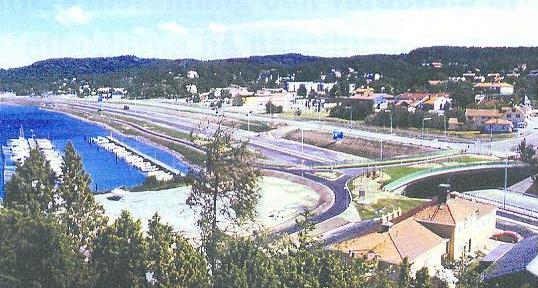
Location and administration
The locality lies within Västra Götaland County and historically belongs to the province of Bohuslän. It is part of the nation of Sweden and administratively sits in Uddevalla Municipality. Its setting on the Bohuslän coast gives it a character shaped by sea, skerries and rocky headlands.
Geography and environment
- Coastal geography with marinas, rocky shorelines and bathing spots popular in summer.
- A mix of permanent residences and seasonal holiday houses that swell the population in warmer months.
- Nearby patches of forest and shoreline trails that support informal outdoor recreation.
Transport and connections
Regional roads and rail services provide links to larger urban centres along the west coast, making Ljungskile accessible for commuters and visitors. Public transport options connect the locality with neighbouring towns, while local roads serve summer traffic to beaches and marinas.
Economy, culture and sport
The local economy is a mix of small businesses, service providers and tourism-related enterprises. Cafés, shops and boating services are important during the high season. Community life is enlivened by local clubs and events; association football has a visible presence through the town's football club, which contributes to local identity and activity.
History and development
Historically, Ljungskile developed from maritime and local-trade roots into a modern locality with expanded housing and leisure facilities. Over time it has retained a balance between being a living community and a seasonal destination, attracting visitors for boating, bathing and short coastal excursions.
Related articles
Author
AlegsaOnline.com Ljungskile — coastal locality in Västra Götaland, Sweden Leandro Alegsa
URL: https://en.alegsaonline.com/art/58670