
Llullaillaco — high Andean stratovolcano on the Argentina–Chile border
Llullaillaco is a 6,739 m stratovolcano on the Argentina–Chile frontier in the Puna de Atacama, noted for extreme altitude, dry climate, high-elevation Inca ritual sites and its place among the Andes' tallest peaks.
Overview
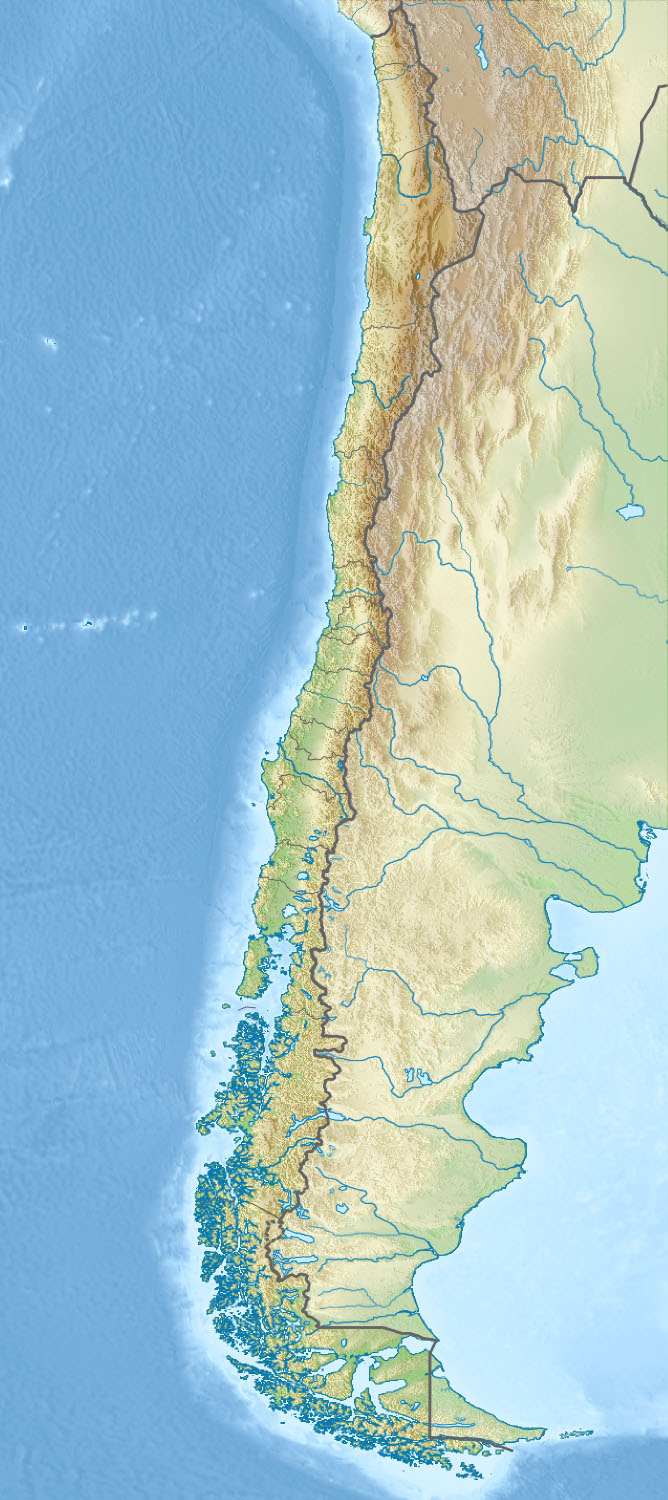
Llullaillaco rises to about 6,739 metres and straddles the border between Argentina and Chile. It is one of the highest volcanic summits of the Andes mountain system and is frequently listed among the top peaks of that chain. The mountain is a classic stratovolcano, built of interlayered lava flows and pyroclastic deposits, and is located within the Central Volcanic Zone of the Andes.
Image gallery
10 Images




Geography and geology
Llullaillaco sits on the high Puna plateau known as the Puna de Atacama, an elevated, arid plain dotted with volcanoes and salt flats. The volcano occupies a prominent position in the regional volcanic range, where crustal thickening and subduction-related magmatism produce andesitic to dacitic volcanism. Its summit hosts a crater complex and steep upper slopes shaped by both effusive lava flows and explosive eruptions during its evolutionary history.
Climate, ecology and landscape
The mountain lies within the broader Atacama Desert region, one of the driest climates on Earth, and experiences intense solar radiation, low humidity and large diurnal temperature shifts. Vegetation on the flanks is sparse, consisting of hardy puna grasses and cushion plants at lower elevations; fauna is typical of high Andean ecosystems, including camelids and specialized birds. Periglacial conditions and seasonal frost affect summit preservation more than extensive glaciers.
Archaeological and cultural significance
Llullaillaco is notable for its exceptionally well preserved high-elevation Inca ritual sites. Archaeological teams discovered mummified human offerings and associated objects near the summit, including textiles, figurines and ceramic items that illuminate aspects of Andean ceremonial practice. The cold, dry environment contributed to the remarkable preservation of organic material and allowed detailed study of religious pilgrimage and sacrificial rites of the pre-Columbian Andes.
Human activity, access and mountaineering
Access to Llullaillaco is remote: approaches are made from both the Argentine and Chilean sides across high, arid plateaus. Climbs are challenging due to extreme altitude, cold and isolation rather than highly technical rock climbing; careful acclimatization and logistics are essential. Respect for archaeological remains and local cultural values is a priority for visitors and researchers alike.
Research, conservation and significance
Scientists study Llullaillaco to learn about high-altitude volcanism, paleoclimate, and human adaptation to extreme environments. The site links geological processes, environmental conditions and human cultural activity at very high elevations. Conservation efforts focus on protecting archaeological heritage and the fragile puna ecosystems while enabling controlled scientific and educational access.
Further reading
- General accounts of stratovolcanoes and volcanic processes in the Andes.
- Regional summaries of the Puna de Atacama and the Atacama Desert.
- Country-level resources for Argentina and Chile covering geography and mountaineering.
- Comparative lists and studies of high Andean peaks in the Andes.
Readers seeking detailed technical studies or archaeological reports should consult specialized publications and institutional repositories. For introductory overviews, regional guidebooks and general works on Andean natural and cultural history provide accessible context.
Questions and answers
Q: Where is Llullaillaco located?
A: Llullaillaco is located in the Andes range, in Argentina and Chile.
Q: How high is Llullaillaco?
A: Llullaillaco is 6,739 meters (22,110 ft) high.
Q: What kind of mountain is Llullaillaco?
A: Llullaillaco is a stratovolcano.
Q: What is the ranking of Llullaillaco among the highest mountains in the Andes?
A: Llullaillaco is the 7th highest mountain in the Andes.
Q: Where is the Puna de Atacama?
A: The Puna de Atacama is a region of very high volcanic peaks on a high plateau within the Atacama Desert.
Q: What is the Atacama Desert known for?
A: The Atacama Desert is known for being one of the driest places in the world.
Q: Is Llullaillaco located in the driest place in the world?
A: Yes, Llullaillaco is located in the Atacama Desert, which is one of the driest places in the world.
Related articles
Author
AlegsaOnline.com Llullaillaco — high Andean stratovolcano on the Argentina–Chile border Leandro Alegsa
URL: https://en.alegsaonline.com/art/58698
Sources
- peakbagger.com : "Cerro Llullaillaco, Argentina/Chile"
- andes.org.uk : "Andes 6000 m peak list"
- peakware.com : "Llullaillaco"
- andeshandbook.org : "Volcán Llullaillaco"
- summitpost.org : "Llullaillaco"
- livescience.com : "Extreme microbes found near mummy burial site"
- nytimes.com : "Entirely Preserved Inca Mummies Found"
- archaeology.org : "The "Llullaillaco Maiden" Was Sedated at Time of Death - Archaeology Magazine"
- volcano.si.edu : "Llullaillaco"
- peaklist.org : "The Ultra-Prominences Page"