
Litchfield, Connecticut
Historic New England town in northwest Connecticut, formerly Litchfield County seat; noted for a preserved village green, early educational institutions, and cultural tourism. Population 8,466 (2010).
Overview
Litchfield is a small New England town in northwestern Connecticut with a well-preserved village center and a long cultural history. It served as the county seat of Litchfield County, and is located in the state of Connecticut, in the United States. The town had 8,466 residents at the 2010 census. It remains known for its compact green, historic architecture and its role in early American education.
Image gallery
5 Images


Geography and landscape
Litchfield occupies part of the hilly Litchfield Hills region. The landscape features rolling terrain, stone walls, mixed woodlands and small agricultural parcels that surround a traditional village green. The compact center is pedestrian-friendly, with narrow streets and houses set close to the green, giving the town a characteristic New England appearance.
History and institutions
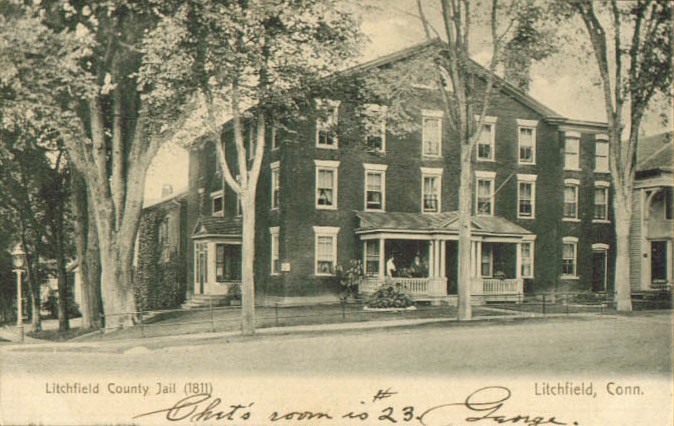
Founded in the 18th century, Litchfield grew as a regional civic and educational center. In the late 1700s and early 1800s it gained prominence for institutions that drew students from across the young nation, including an influential law school and an academy for young women. The town's role as county seat for many years placed courts and public offices at its core of civic life.
Historic district and architecture
The town center contains a historic district with a notable concentration of 18th- and 19th-century buildings: meetinghouses, clapboard and brick residences, and institutional structures. Preservation and adaptive reuse efforts have helped maintain original details such as clapboard siding, sash windows and period door surrounds. The green and meetinghouse remain focal points for community events and seasonal activities.
Culture, events and tourism
Litchfield attracts visitors interested in history, antiques, and arts. Galleries, small museums and independent shops contribute to a year-round cultural calendar that includes craft fairs, historic house tours and seasonal festivals. Cultural tourism is an important part of the local economy, and many community organizations focus on preservation, education and the arts.
Economy, community and services
The local economy combines small-scale agriculture, independent retail and services, professional practices and cultural enterprises. Many residents commute to jobs elsewhere in the region while participating in strong local civic life. Town services, volunteer organizations and nonprofit groups play important roles in community programming and stewardship of open space.
Transport and access
While Litchfield does not have major highways running through its center, it is accessible by a network of state roads and is within driving distance of larger Connecticut towns and regional centers. The town's layout favors walking within the village core, and public transportation options in the immediate area are limited, so private vehicles are common for longer trips.
Significance
As a well-preserved example of a New England village, Litchfield is frequently cited in discussions of historic preservation, early American education and small-town civic planning. Its combination of architectural heritage, cultural programming and scenic surroundings contributes to its continued reputation as a destination for visitors and a place of active local community life.
Related articles
Author
AlegsaOnline.com Litchfield, Connecticut Leandro Alegsa
URL: https://en.alegsaonline.com/art/58421
Sources
- city-data.com : "Litchfield Connecticut" · web.archive.org
- naco.org : "Find a County"