
Lincoln College, Oxford
Lincoln College is a constituent college of the University of Oxford, founded in 1427 by Bishop Richard Fleming. This article summarizes its history, architecture, academic life, and distinguishing features.
Lincoln College is one of the constituent colleges of the University of Oxford. Its formal name is The College of Blessed Mary and All Saints, Lincoln. Established in the early 15th century, the college has a long history within the collegiate university system and remains active in undergraduate and graduate teaching, research, and college life.
Image gallery
10 Images






History
The college was founded in 1427 by Richard Fleming, then Bishop of Lincoln. Fleming intended the foundation to support the education of clergy and to reinforce orthodox theological instruction in a period of religious controversy. Over succeeding centuries Lincoln College adapted to changing academic priorities at Oxford, surviving the Reformation, the Civil War, and later university reforms. Its continuity reflects the survival and evolution of medieval college foundations into modern institutions of higher education.
Architecture and grounds
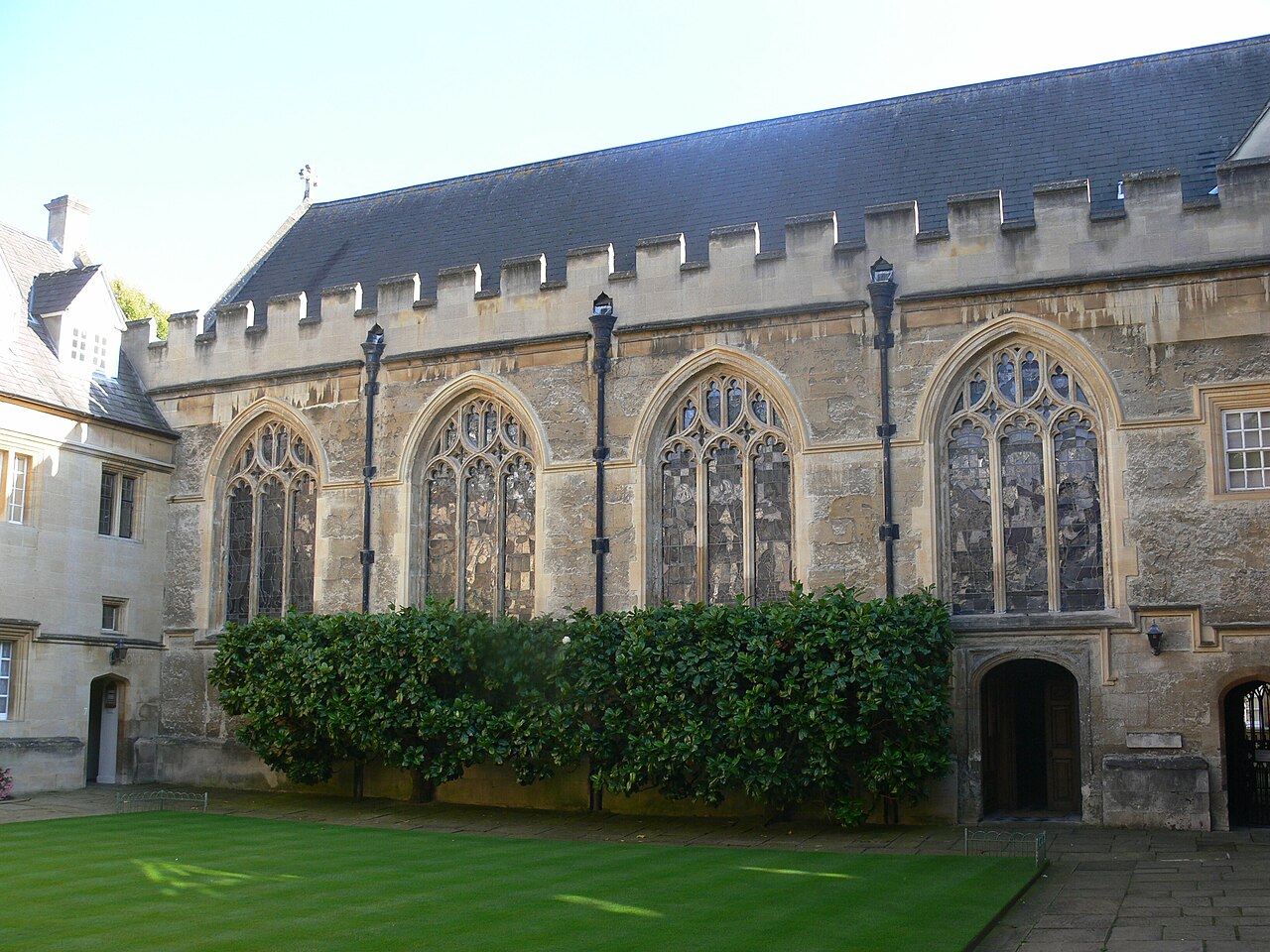
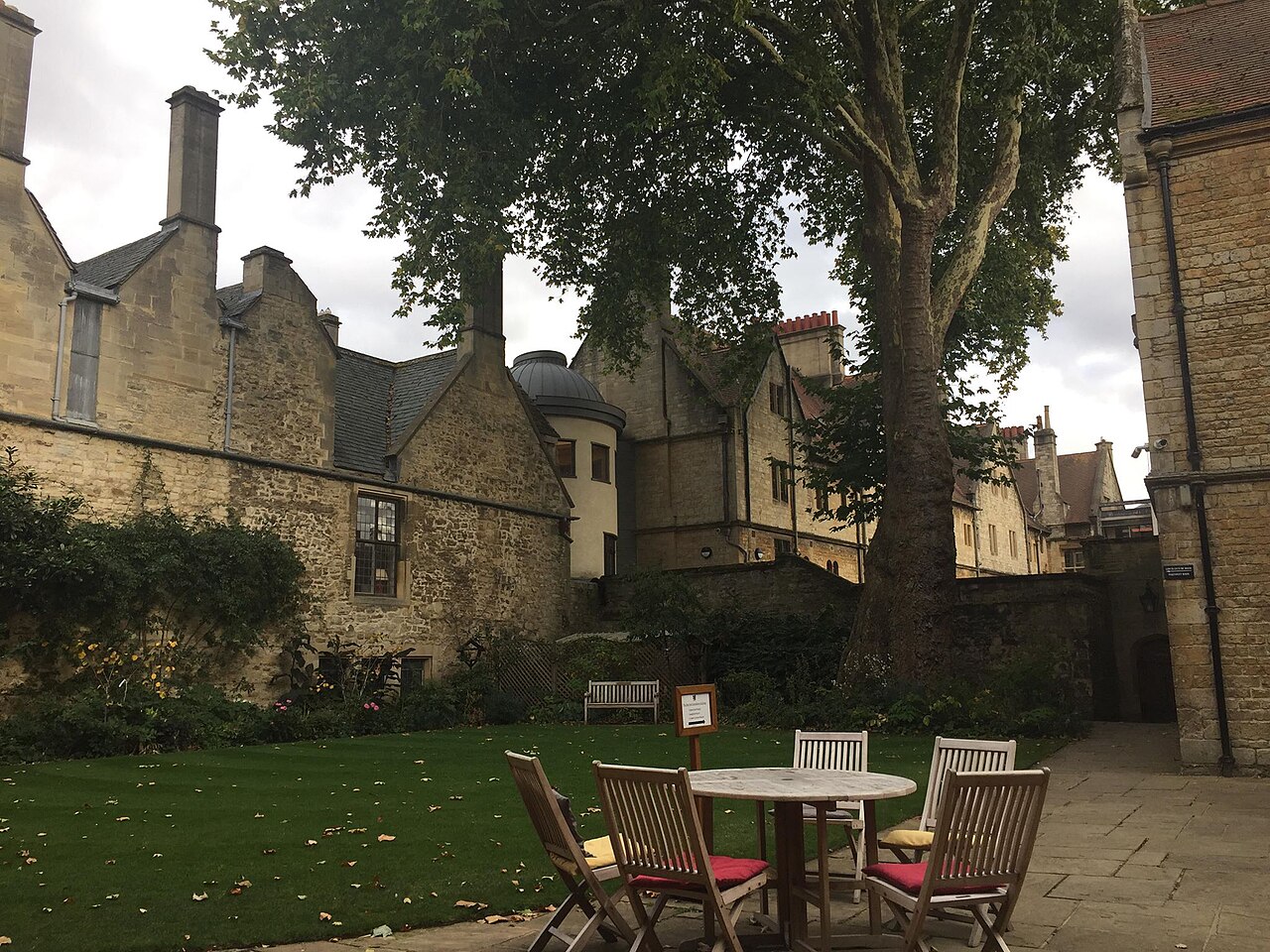
Lincoln College combines medieval and later buildings clustered around traditional Oxford quads. Key elements include a chapel, a dining hall, student accommodation, and a college library. Many of the oldest structures retain stonework and timber features typical of early collegiate architecture, while Victorian and modern restorations and extensions provide additional teaching and social spaces. Small gardens and courtyards contribute to the college's intimate atmosphere.
Notable features and facilities include:
- A chapel used for regular services and musical events.
- Formal hall and common rooms for academic and social gatherings.
- College library with collections supporting undergraduate and graduate study.
- Student accommodation, tutorial rooms, and study spaces.
Academic life at Lincoln mirrors Oxford's tutorial system: students receive small-group tuition from college tutors while belonging to a larger university framework for lectures and examinations. The college supports a range of subjects across the arts, humanities, sciences, and social sciences, and it provides scholarships, bursaries, and graduate studentships according to available endowments and university schemes.
Student life includes formal and informal societies, music and drama groups, sports clubs, and a junior and middle common room structure that organizes social and welfare activities. The college also maintains links with the Diocese of Lincoln and with alumni, contributing to cultural events and public engagement.
For visitors and prospective applicants, Lincoln College offers guided access on certain days and publishes information about admissions, outreach, and events through college channels. For general information about the university and collegiate system see the university homepage or college admissions pages linked above.
Related articles
Author
AlegsaOnline.com Lincoln College, Oxford Leandro Alegsa
URL: https://en.alegsaonline.com/art/58135