
Limón Province (Costa Rica): Geography, History, Biodiversity, and Culture
Limón is Costa Rica's Caribbean province, known for tropical rainforests, Afro‑Caribbean and indigenous communities, major Atlantic ports, protected parks and important sea‑turtle nesting beaches.
Overview
Limón is a coastal province on the Caribbean side of Costa Rica. Its shoreline lies along the Caribbean Sea, and the administrative centre is the port city of Puerto Limón. The region is characterized by lowland tropical climate, high rainfall and a mix of Afro‑Caribbean, indigenous and mestizo communities.
Image gallery
8 Images



Geography and climate
The province contains extensive coastal plains, river deltas and sections of rainforest. Heavy seasonal and perennial rain supports wetlands and mangroves along the coast as well as inland tropical forests. The flat coastal zone contrasts with nearby uplands and biological corridors that connect to other parts of the country.
History and people
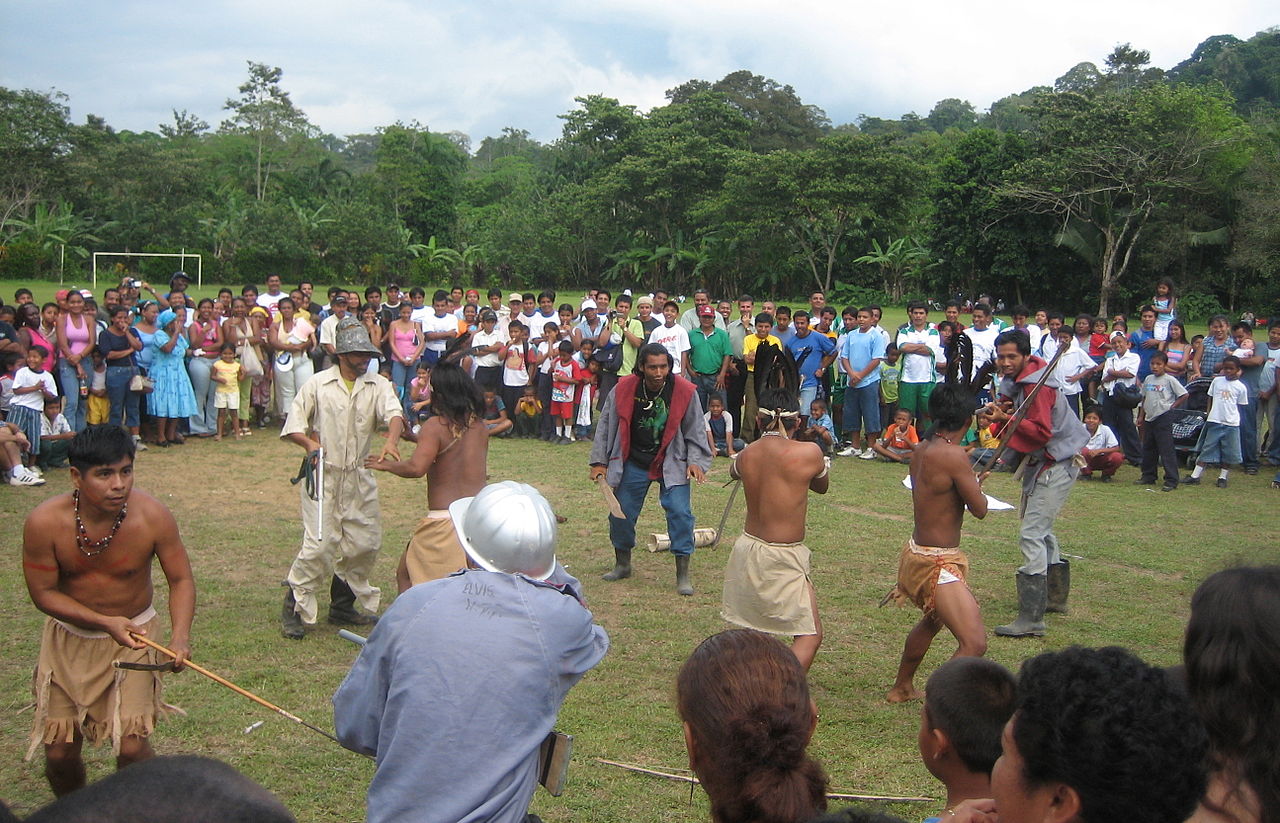
Limón's modern cultural landscape was shaped by arrivals of Afro‑Caribbean laborers during 19th‑century railroad and banana industry development and by longstanding indigenous groups such as the Bribri and Cabécar. Local varieties of English‑based Creole are still spoken alongside Spanish, and communities maintain distinct musical, culinary and religious traditions.
Economy and transport
The province's economy blends port activity, agriculture, fishing and tourism. Major export crops include bananas, pineapples and cocoa, and deep‑water ports near Puerto Limón handle international shipping. Passenger and freight rail and highway routes connect the Caribbean coast with central valleys and cities of Puerto Limón and beyond.
Biodiversity and protected areas
Limón hosts important protected areas and wildlife habitats. Several parks and reserves protect rainforest, coastal dunes and coral reefs and are crucial for nesting sea turtles.
- Cahuita National Park — coral reefs, beaches and forest trails.
- Tortuguero National Park — wetlands, canals and sea‑turtle nesting sites.
- Gandoca‑Manzanillo Wildlife Refuge — coastal forest and marine ecosystems.
Culture, tourism and notable facts
Visitors come for beach resorts, wildlife watching and cultural experiences in port towns and indigenous communities. Limón's cuisine, festivals and music reflect Afro‑Caribbean influences and local traditions. Conservation and sustainable tourism are ongoing priorities as the province balances economic development with protection of its rich natural heritage.
Related articles
Author
AlegsaOnline.com Limón Province (Costa Rica): Geography, History, Biodiversity, and Culture Leandro Alegsa
URL: https://en.alegsaonline.com/art/58101
Sources
- commons.wikimedia.org : Limón Province
- inec.go.cr : "Anuario Estadístico 2012 - 2013"
- weatherbase.com : "Puerto Limón, Costa Rica - Köppen Climate Classification"
- cipacdh.org : "Resultados Generales Censo 2011"