
Limoges Cathedral (Cathédrale Saint-Étienne de Limoges)
Gothic cathedral in Limoges, France, seat of the local Catholic diocese; notable for its long construction history, Gothic architecture, stained glass and role in city heritage.
Overview
The Cathédrale Saint-Étienne de Limoges is the principal church of the city of Limoges and the seat of its bishopric. It is a Roman Catholic cathedral whose silhouette dominates the historic centre. Built and altered over many centuries, the building combines high Gothic forms with later additions and restorations, making it a landmark of regional religious architecture.
Image gallery
10 Images




Architecture and layout
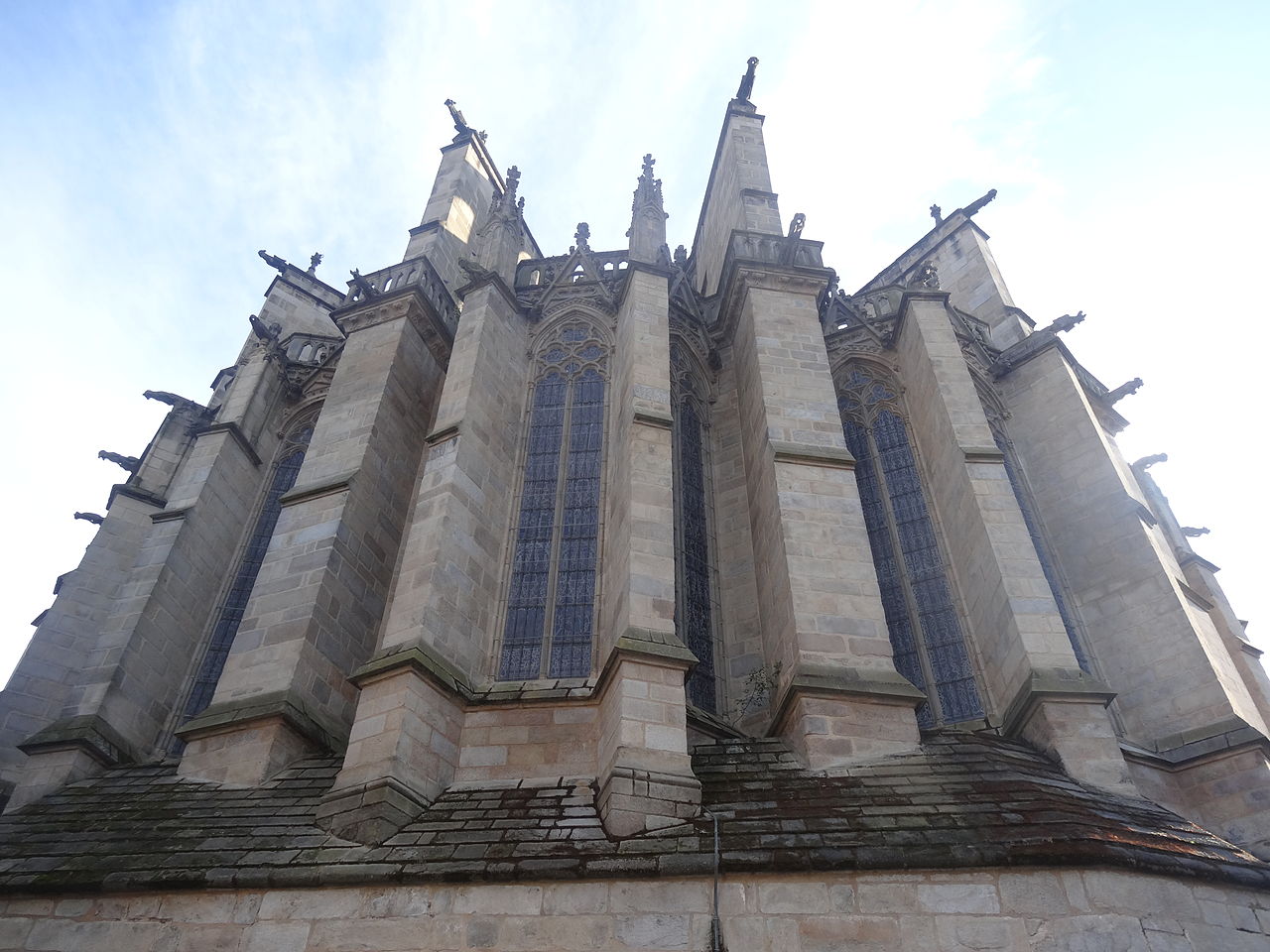
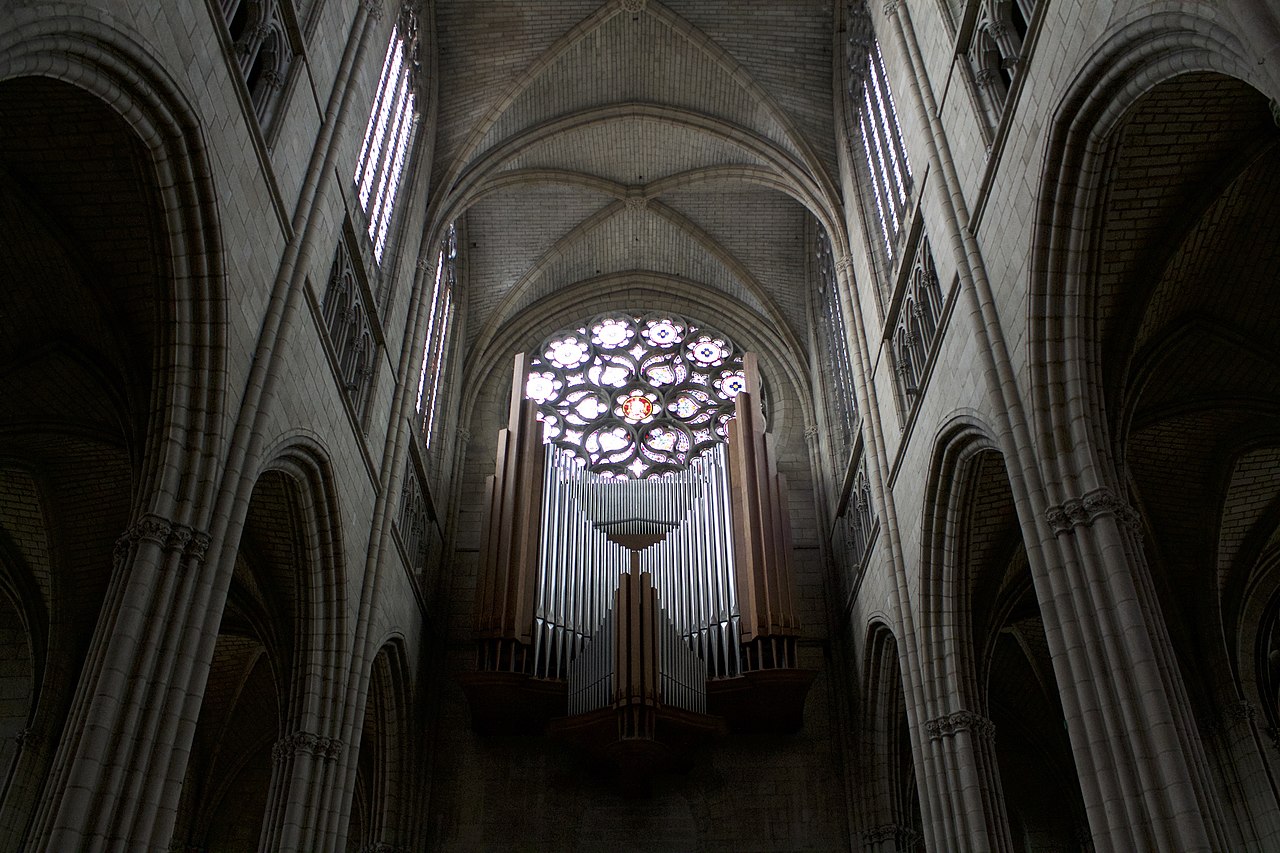
The cathedral displays characteristic Gothic elements: pointed arches, a vaulted nave, and external supports that allow for large interior spaces and windows. The plan follows a traditional east–west orientation with a central nave flanked by aisles and an elevated choir. Decorative work includes carved capitals, tracery in the window openings, and sculpted portal details that reflect changing tastes across eras.
History and development
The present building succeeded earlier churches on the same site and was begun in the medieval period. Construction and modification continued episodically for centuries, so architectural features reflect different periods. Repairs and 19th-century conservation work also left their mark, a pattern common to many European cathedrals that evolved with local needs and available resources.
Uses and cultural importance
Beyond serving as a place of worship and the bishop’s seat, the cathedral functions as a focal point for civic and cultural life. It hosts liturgical ceremonies, concerts, and heritage visits. The interior contains liturgical furnishings, commemorative monuments and examples of stained glass and stonework that attract scholars and visitors interested in medieval art and religious history.
Notable features and distinctions
- Long construction history resulting in a mix of medieval and later architectural details.
- Gothic structural solutions that permit a spacious nave and prominent clerestory lighting.
- Artistic elements such as stained glass, carved stone decoration and historic fittings.
- Its central role in the urban fabric of Limoges and as the seat of the diocese.
Visitors interested in medieval architecture will find the cathedral illustrative of how religious buildings were adapted over time. For further study and practical visitor information, consult local heritage resources and guides provided by the city and diocesan authorities.
Related articles
Author
AlegsaOnline.com Limoges Cathedral (Cathédrale Saint-Étienne de Limoges) Leandro Alegsa
URL: https://en.alegsaonline.com/art/58098