
Lilongwe — capital and major city of Malawi
Lilongwe is the administrative capital of Malawi, located on the Lilongwe River in central Malawi. It is an economic, political and cultural centre with government districts, markets and growing urban neighbourhoods.
Overview
Lilongwe is the administrative capital and a principal urban centre of the southeastern African country Malawi. The city lies along the Lilongwe River in the central region and functions as the seat of national government, hosting ministries, foreign missions and public institutions. It serves as a hub for transport and services connecting Malawi’s populated plateau to other parts of the country and to neighbouring states such as Mozambique and Zambia.
Image gallery
10 Images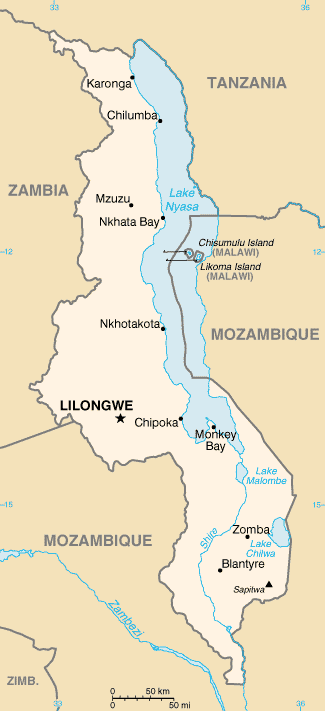



Characteristics and layout
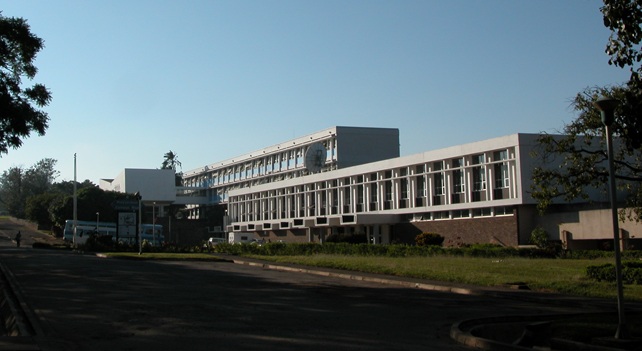
Lilongwe is commonly described in terms of two main areas: the older commercial districts where markets, shops and long-standing neighbourhoods concentrate, and the planned government zone where administrative buildings and diplomatic residences sit. Residential sectors are often referred to by numbered areas (Area 3, Area 25, etc.) and there are ongoing expansions of housing and services as the city grows. The Lilongwe River runs through the urban area and has helped shape the city’s parks and green corridors.
History and development
The town developed from a small trading post into a national capital during the post-colonial era when authorities moved many administrative functions from the former capital to a more central location. This shift prompted deliberate urban planning and construction of government precincts, public facilities and a network of roads. Over subsequent decades the city expanded rapidly as people migrated in from rural districts seeking employment and services.
Economy and importance
Lilongwe’s economy is mixed: public administration and services account for a large share of jobs, while wholesale markets, light commerce and informal trade drive daily life. The city is an important centre for NGOs, diplomatic missions and international aid agencies. It is served by an international airport that links Malawi to regional and international destinations and acts as a distribution point for goods moving to other parts of the country.
Population and civic life
Official counts and estimates indicate a population on the order of several hundred thousand; many sources place the figure near 600,000, though estimates vary by date and method. Cultural life in Lilongwe mixes traditional Malawian customs with urban styles: weekly markets, community events, religious institutions and small cultural venues all contribute to civic identity.
Points of interest and distinctions
- Government and diplomatic quarter, where national ministries and embassies are concentrated.
- Large open markets and commercial strips that supply goods to central Malawi and beyond.
- Green spaces and riverine areas used for recreation and local conservation projects.
- Transport connections including the city airport and intercity road links.
For further civic and geographic information consult national and regional resources; for demographic or administrative updates see census and government publications. Related entries and maps are available through general country references on Malawi and regional overviews that cover neighbouring states such as the city surroundings and cross-border ties. Additional background and statistical collections can be found through external databases and national reports on population.
Related articles
Author
AlegsaOnline.com Lilongwe — capital and major city of Malawi Leandro Alegsa
URL: https://en.alegsaonline.com/art/58044