
Lillington, North Carolina: county seat of Harnett County
Lillington is the county seat of Harnett County, North Carolina. A small town on the Cape Fear River with historic buildings, local government services, and connections to the greater Raleigh–Durham area.
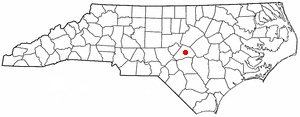
Lillington is a small town that serves as the county seat of Harnett County in North Carolina, United States. Established as the administrative center of the county, Lillington had a population of 3,194 at the time of the 2010 census. The town functions as a local center for government services, community events, and commerce for the surrounding rural area.
Image gallery
3 Images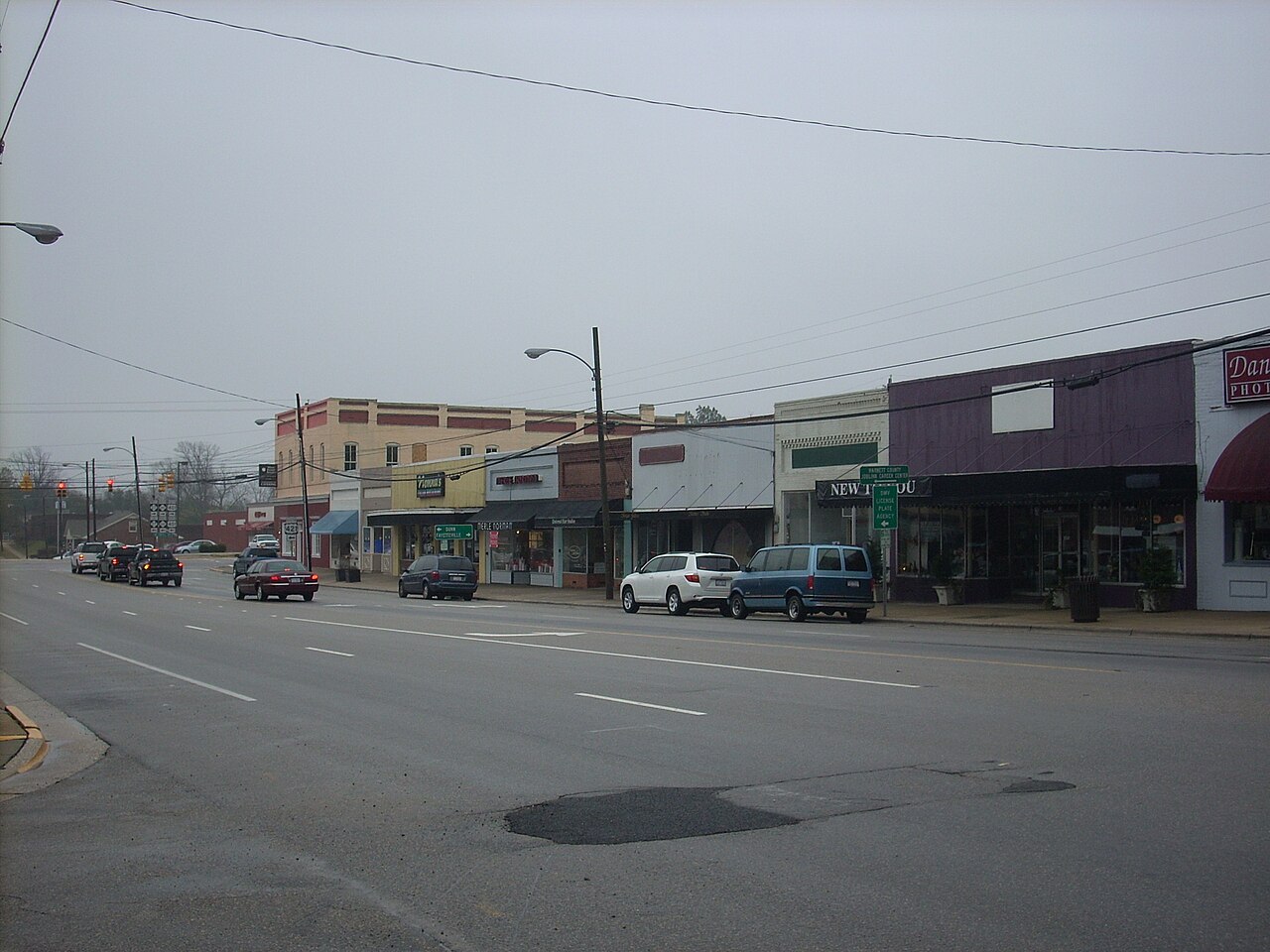

Geography and character
Lillington lies near the Cape Fear River valley and occupies a modest footprint of small-town streets, civic buildings, and residential neighborhoods. Its setting combines riverine landscape with mixed woodlands and farmland in the county. The townscape includes a traditional downtown area with a courthouse and municipal facilities surrounded by newer development and rural residential zones.
History and name
The town’s name commemorates members of the Lillington family associated with early North Carolina history. Over time, Lillington grew into the county seat and became the focal point for Harnett County government and local institutions. Historic structures and older commercial blocks reflect the town’s role as a 19th- and 20th-century county center.
Economy, transportation, and services
Lillington’s economy is driven by county government functions, small businesses, retail serving nearby residents, and services that support the region. It is within commuting distance of larger urban centers in central North Carolina, which broadens employment and educational opportunities for residents. Transportation links include regional highways and local roads that connect the town to neighboring communities.
Notable points and community life
- As the county seat, Lillington houses key county offices and the courthouse, which anchor civic life.
- The town maintains a blend of historic downtown buildings and modern municipal facilities.
- Residents participate in regional cultural and outdoor activities tied to the Cape Fear River and nearby parks.
Lillington is representative of many small American county seats: focused on local government and community services, shaped by regional geography, and connected to larger metropolitan areas through transportation and economic ties.
Related articles
Author
AlegsaOnline.com Lillington, North Carolina: county seat of Harnett County Leandro Alegsa
URL: https://en.alegsaonline.com/art/58041
Sources
- factfinder2.census.gov : "American FactFinder"