
Liliana Segre: Italian Holocaust survivor, educator and Senator for Life
Liliana Segre (born 1930) is an Italian Holocaust survivor, civic educator and life senator. Deported to Auschwitz in 1943, she later became a prominent witness against antisemitism and hate.
Liliana Segre OMRI is an Italian Holocaust survivor and public figure who has spent decades preserving the memory of Nazi persecution and warning against contemporary hate. Born on 10 September 1930 in Milan, she belongs to a generation whose testimonies shaped postwar remembrance in Italy and beyond. Segre's experience and later public role make her a widely recognized moral presence in debates about intolerance, historical memory and civic responsibility.
Image gallery
6 Images
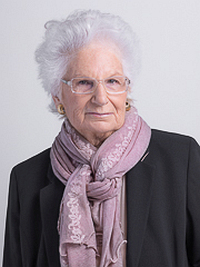


Early life and deportation
Segre was born to a Jewish family in Milan and, like many Italian Jews, suffered under racial laws and wartime persecution. In 1943 she was arrested and deported to the Auschwitz concentration camp. She survived the Holocaust, while many members of her family and community did not. For decades after the war she lived a private life; only from the 1990s did she begin to speak regularly about her experience in public forums.
Public engagement and testimony
Beginning in the late 20th century Segre increasingly accepted invitations to address students, civic organizations and cultural institutions. Her testimony focuses on the everyday effects of discrimination, the processes that led to deportation and on the importance of memory in preventing new forms of hatred. She has become a frequent interlocutor in Italian schools, where survivors’ accounts are used to teach history and civic values.
- Born: 10 September 1930, Milan.
- Deported: 1943, Auschwitz concentration camp.
- Public witness: began speaking widely after 1990.
- Honors: awarded national distinctions including OMRI — see official honors.
- Public office: named Senator for Life by President Sergio Mattarella on 19 January 2018 — see appointment details.
Her appointment as Senator for Life placed a survivor’s voice directly within Italy’s highest institutions, recognizing the civic value of testimony. The role has also made her a focal point in contemporary fights against antisemitism, racism and political extremism, and it has occasionally drawn hostile reactions from extremist individuals and groups, underscoring the continued relevance of her message.
Segre’s legacy lies in blending personal memory with public education: she exemplifies how individual testimony can inform civic debate, influence public policy on remembrance and shape intergenerational dialogue. As a living witness and national figure, she continues to encourage reflection about rights, responsibilities and the conditions that allow intolerance to grow.
Related articles
Author
AlegsaOnline.com Liliana Segre: Italian Holocaust survivor, educator and Senator for Life Leandro Alegsa
URL: https://en.alegsaonline.com/art/58024
Sources
- corriere.it : Profile