
The Open Championship (the Open or British Open)
The Open Championship is the oldest of men's major golf tournaments, played annually on rotating links courses in the United Kingdom and administered by The R&A.
Overview
The Open Championship, commonly called the Open and known outside the United Kingdom as the British Open, is the oldest of the four major tournaments in men's golf. It is organised and administered by The R&A and staged each year on a rota of prestigious seaside and inland links courses across Great Britain and Ireland. The championship attracts a global field and is noted for its distinctive playing conditions and historical prestige.
Image gallery
10 Images





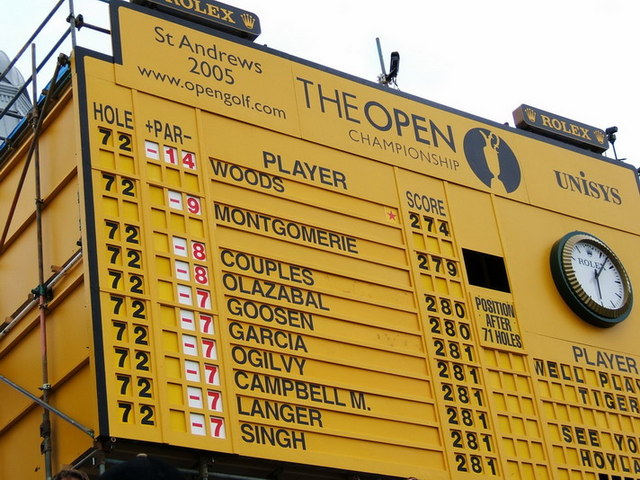
Characteristics
Several features distinguish the Open from other major golf events:
- Links-style venues: Courses typically feature firm turf, deep bunkers and coastal winds that reward strategic shot-making.
- Trophy: The winner receives the Claret Jug, an iconic silver ewer presented to champions since the late 19th century.
- Format: It is a 72-hole stroke play championship with a cut after two rounds; competitors include exempt professionals and those who qualify through regional and final qualifying stages.
- Major status: The Open is one of the four men's major championships, alongside other globally significant events in men's golf.
History and development
First played in the 19th century, the Open has deep roots in the development of competitive golf. It began as a contest among professionals at early Scottish clubs and expanded over decades into an international championship. Many of the game’s greatest courses—such as St Andrews, Royal Liverpool and Muirfield—have hosted the event repeatedly, each contributing a chapter to the tournament’s evolving narrative.
Administration and schedule
The R&A manages the championship’s rules, qualifying criteria and venue selection. The tournament is held annually, typically in the summer, on a rotation agreed by the organising body and host clubs. Information about future venues, ticketing and broadcast arrangements is published in advance by the organisers and through official outlets that summarise the event’s tournament schedule.
Significance and notable aspects
The Open is prized for its history and the way weather and course design test competitors’ skill and adaptability. Its legacy includes memorable performances in challenging conditions and the global expansion of professional golf. For historical records, rules guidance and further details about venues, qualifying and the competition format, consult authoritative sources and official publications from The R&A and other governing bodies.
Further reading
For additional context on majors, course histories and player achievements, see specialist golf histories and official tournament pages, as well as summaries and analyses provided by major sports organisations and media outlets. Many of those resources maintain detailed archives and explanatory material for readers and fans alike. Learn more about the sport and major championship structures through recognised sources.
Questions and answers
Q: What is The Open Championship?
A: The Open Championship is one of the four major championships in men's golf, generally recognized as the oldest one.
Q: What is the Open Championship known for outside the United Kingdom and Ireland?
A: The Open Championship is often known as the British Open outside the United Kingdom and Ireland.
Q: Who administers The Open Championship?
A: The Open Championship is administered by The R&A.
Q: Where does The Open Championship take place?
A: The Open Championship is hosted annually by one of several prestigious golf clubs in the United Kingdom.
Q: What is the next location of The Open Championship after 2012?
A: The next tournament, in 2013, will take place at Muirfield in Scotland.
Q: How many majors are there in men's golf?
A: There are four majors in men's golf: The Open Championship, the Masters, the US Open, and the PGA Championship.
Q: Which major championship is the oldest in men's golf?
A: The Open Championship is generally recognized as the oldest of the four major championships in men's golf.
Related articles
Author
AlegsaOnline.com The Open Championship (the Open or British Open) Leandro Alegsa
URL: https://en.alegsaonline.com/art/98563