
Arnhem — capital of Gelderland and city in the eastern Netherlands
Arnhem is a historic Dutch city on the lower Rhine, capital of Gelderland, noted for WWII history (Battle of Arnhem), green surroundings, cultural institutions like the Open Air Museum and Burgers' Zoo.
Arnhem is a city in the eastern Netherlands that serves as the capital of the province of Gelderland (also historically called Guelders). The municipality had about 159,265 inhabitants on 1 January 2019 and is the principal city of the Arnhem–Nijmegen conurbation. Arnhem functions as a regional centre for government, education and culture and ranks among the larger Dutch cities with a mixed historic and modern urban fabric.
Image gallery
10 Images




Geography and environment
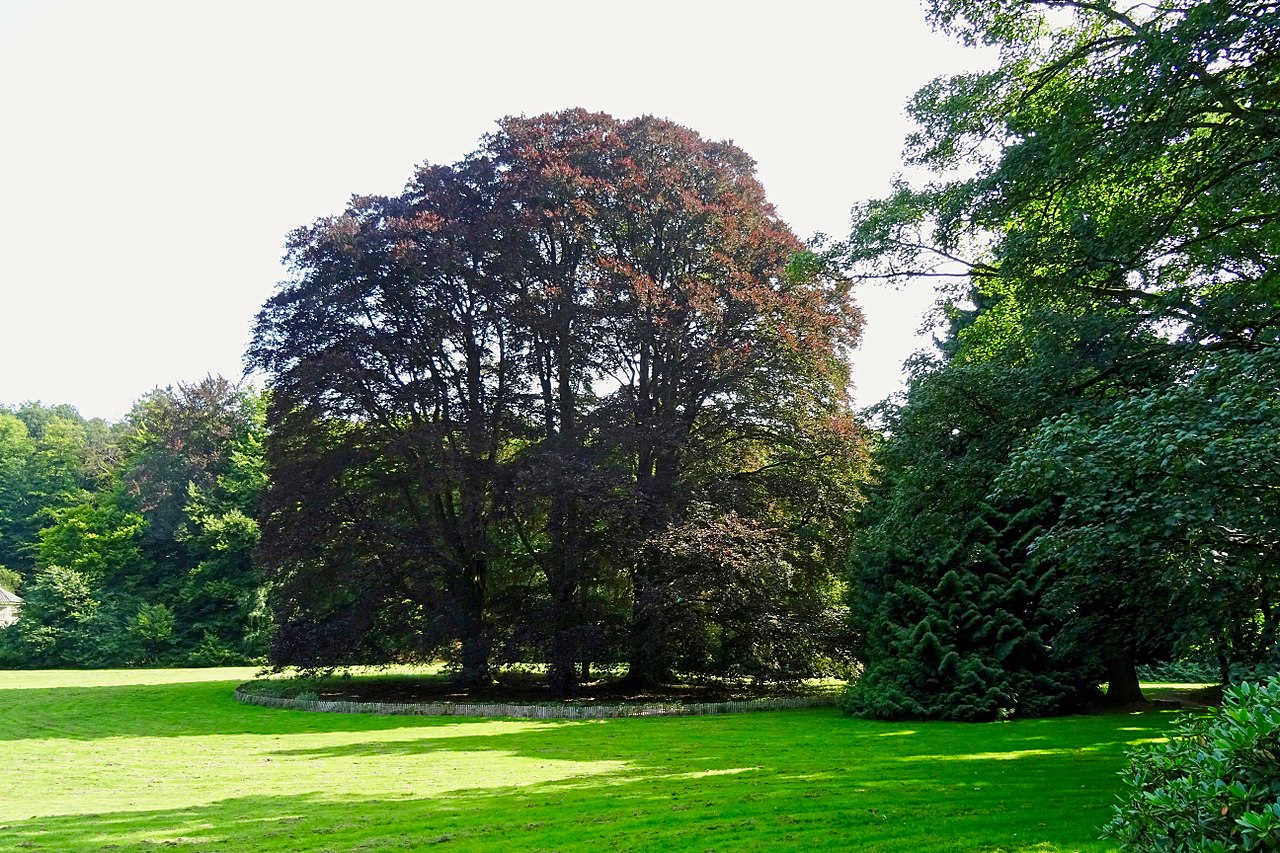
Situated on the lower reaches of the Rhine river system, Arnhem stands where riverine lowlands meet higher, wooded country. To the west and north lie important stretches of heath and forest associated with the Veluwe, while rivers and parkland shape much of the city's setting. Large public parks and nearby nature reserves contribute to Arnhem's reputation for accessible green space and outdoor recreation.
History and identity
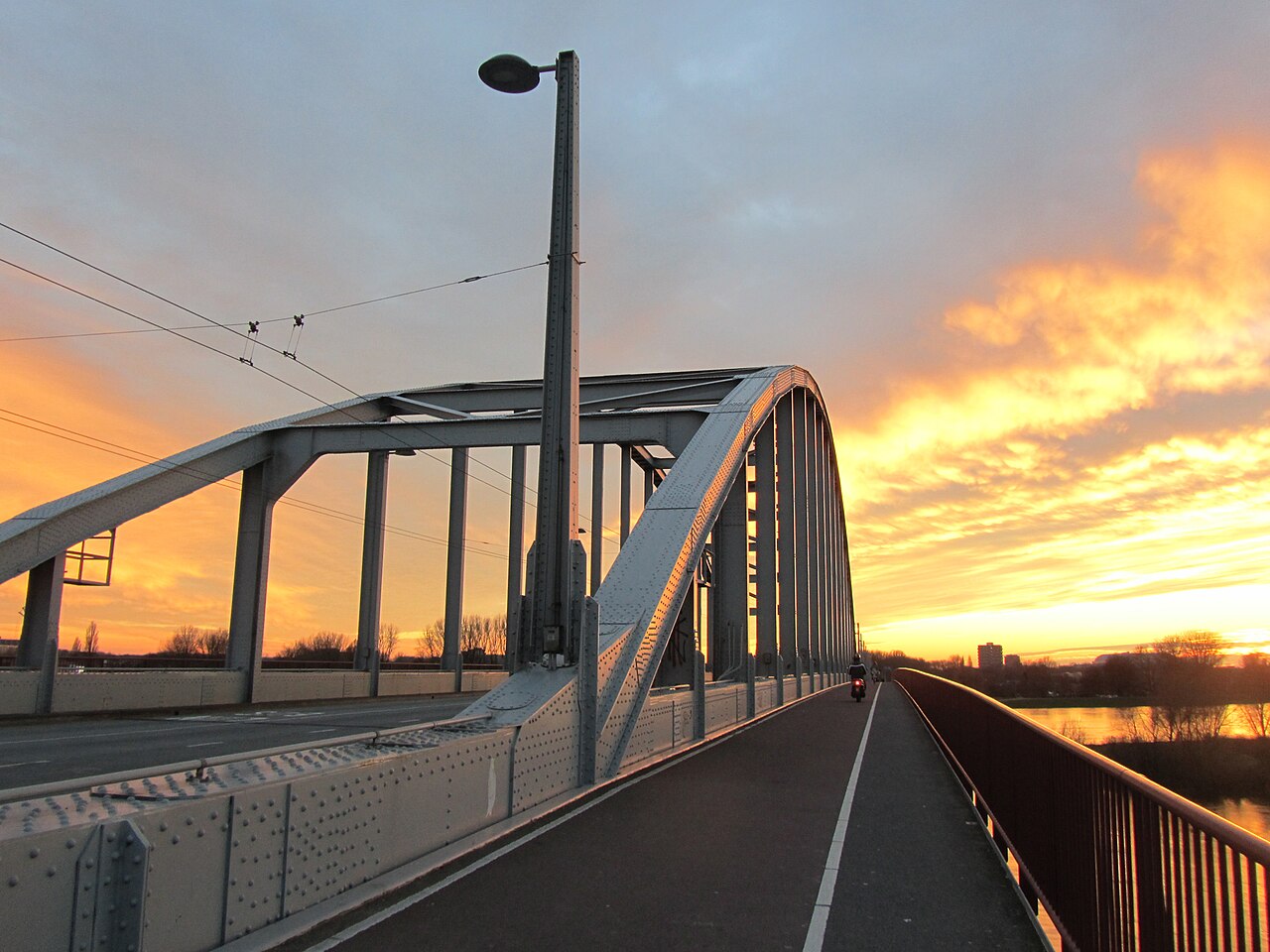
Arnhem grew from medieval market and administrative origins into an important regional town. Its modern identity is strongly influenced by events of the Second World War, especially the 1944 airborne operation that formed part of Operation Market Garden and is commonly known as the Battle of Arnhem. Heavy fighting concentrated on the bridge crossing the Rhine and on the approaches from the east; the bridge, memorials and local museums interpret these events for visitors and residents.
Culture, museums and education
The city hosts several prominent cultural institutions. The Nederlands Openluchtmuseum (Open Air Museum) presents traditional rural and urban life from different historical periods. Burgers' Zoo is noted for large-scale ecological exhibits and immersive habitats. The region is a centre for applied arts and design education, home to the ArtEZ Institute of the Arts and higher professional institutions that attract national and international students. A mix of theatres, galleries and seasonal festivals sustains an active cultural scene.
Economy and transport
Arnhem's economy is largely service-oriented: public administration, education, healthcare and retail are major employers. The city is an important transport hub for the eastern Netherlands, with Arnhem Central serving as a major railway junction offering national and cross-border connections. Road links facilitate commuting and trade with other Dutch regions and neighbouring Germany, supporting the wider Arnhem–Nijmegen labour market.
Visitor highlights and civic life
Visitors and residents point to a combination of history, museums and green spaces. Key attractions include the bridge and its memorials connected to the 1944 battle, the Open Air Museum and Burgers' Zoo for family visits, and the parks and riverside promenades used for leisure. The city also supports an active sports culture, most visibly through the professional football club Vitesse Arnhem. For further regional context see the Gelderland page: Gelderland.
Community and contemporary developments
In recent decades Arnhem has balanced conservation of historic quarters with new development in transport and housing. Urban planning has emphasised green corridors and public amenities, while cultural and educational institutions continue to shape the city's profile. Arnhem remains a focal point for visitors interested in Dutch history, natural landscapes and regional culture.
Related articles
Author
AlegsaOnline.com Arnhem — capital of Gelderland and city in the eastern Netherlands Leandro Alegsa
URL: https://en.alegsaonline.com/art/5779
Sources
- arnhem.nl : "Ahmed Marcouch (burgemeester)"
- statline.cbs.nl : "Kerncijfers wijken en buurten"
- ahn.nl : "Postcodetool for 6811DG"
- statline.cbs.nl : "Bevolkingsontwikkeling; regio per maand"
- statline.cbs.nl : "Bevolkingsontwikkeling; regio per maand"