
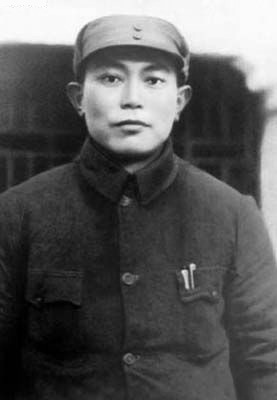
Li Xiannian — Chinese revolutionary leader and head of state (1909–1992)
Li Xiannian (1909–1992) was a Chinese Communist revolutionary and senior statesman who served as President of the PRC (1983–1988) and later as Chairman of the CPPCC; known for economic management and a cautious stance on reforms.
Overview
Li Xiannian (23 June 1909 – 21 June 1992) was a senior Chinese Communist leader and long‑time state official. His Chinese name and characters are often cited in reference works as 李先念. Li belonged to the generation of revolutionary cadres who moved from wartime struggle into peacetime government and who remained influential during the opening and reform era of the late twentieth century. He is widely remembered for roles in economic management and for a political stance that emphasized state institutions and social stability.
Image gallery
8 Images


Political career and offices
Li held a succession of central Party and state positions across several decades, serving at times as a senior policymaker and adviser within the leadership collective. After the restoration of the presidency in the early 1980s, he was chosen as the third President of the People’s Republic of China, serving from 18 June 1983 until 8 April 1988. Following his presidency he became Chairman of the National Committee of the Chinese People’s Political Consultative Conference (CPPCC), a national advisory body that brings together Party, non‑Party and sectoral representatives; he held that chairmanship until his death in 1992. For concise biographical summaries, see a standard biographical entry biographical entry.
Role during the reform era
Although the formal office of President was largely ceremonial by institutional design in the 1980s, Li’s standing in the leadership and his long administrative experience made him an influential voice in policy debates. He was commonly associated with cautious, pragmatic positions on economic reform: supporting gradual change while defending the role of state planning, fiscal prudence, and state‑owned enterprises. Within the broader leadership he represented one of the elder generations whose views helped shape the pace and direction of reforms.
Policy views and influence
Analysts and contemporaries often describe Li as a conservative pragmatist. He emphasized economic stability, centralized fiscal management and social order during a period when the Party debated how far and how fast to introduce market mechanisms. His influence was exercised through formal posts and through informal consultation with other senior leaders, contributing to policy continuity during a time of rapid change in China.
CPPCC chairmanship and later years
As Chairman of the CPPCC, Li presided over a consultative forum intended to incorporate non‑Party perspectives and to foster united‑front cooperation. The role reinforced his status as a senior statesman and elder adviser. He remained active in national affairs into the early 1990s and died in June 1992. His career is often cited as an example of the trajectory of mid‑century revolutionaries who transitioned to governance roles in the People’s Republic.
Legacy
Li Xiannian is remembered for his longevity in public service, for a focus on economic administration, and for his conservative inclination during debates over reform and opening. Histories of the period note the importance of such elder leaders in balancing reformist momentum with concerns about stability and institutional continuity. His life and career continue to appear in studies of China’s political development during the second half of the twentieth century.
Related articles
Author
AlegsaOnline.com Li Xiannian — Chinese revolutionary leader and head of state (1909–1992) Leandro Alegsa
URL: https://en.alegsaonline.com/art/57685