
Nawab Sir Liaqat Hayat Khan (1887–1948)
British Indian administrator who served as Prime Minister of the princely state of Patiala in Punjab; member of the influential Hayat Khan family and a Knight Commander of the Indian Empire.
Overview
Nawab Sir Liaqat Hayat Khan (1887–1948) was a British Indian administrator known for serving as Prime Minister of the princely state of Patiala in the Punjab region. He held the honorifics "Nawab" and "Sir" and was appointed a Knight Commander of the Order of the Indian Empire (KCIE). His career took place within the framework of princely state governance under the British Raj.
Image gallery
2 Images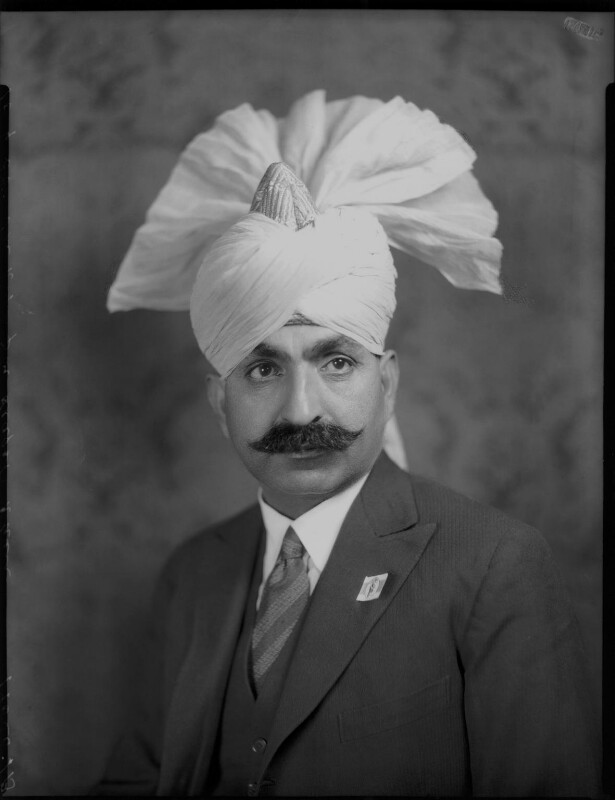
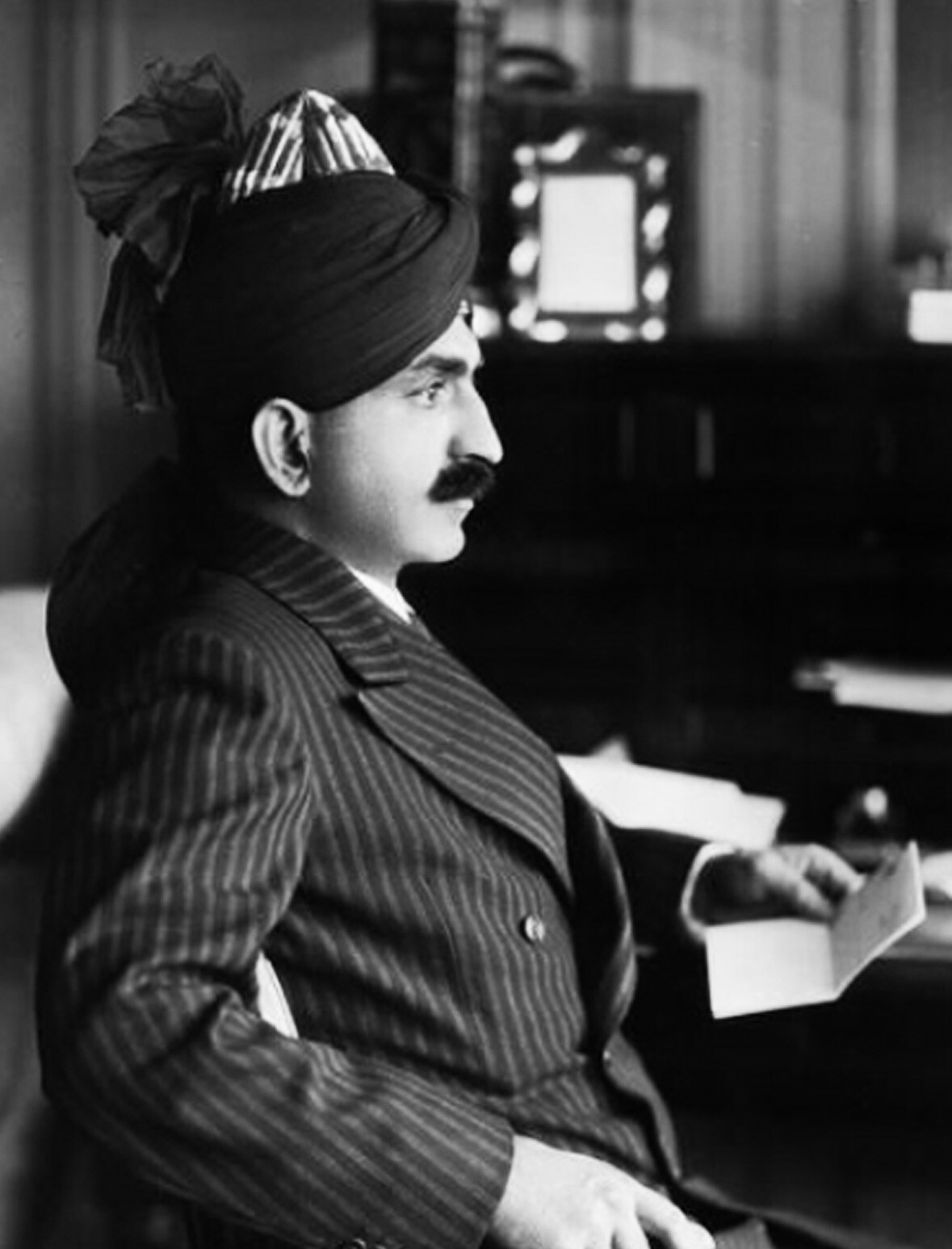
Role and responsibilities
As Prime Minister (often called diwan or chief minister in princely states), Liaqat Hayat Khan led the civil administration of Patiala and acted as the principal adviser to the ruling monarch. Typical duties associated with that office included:
- Overseeing the state's revenue, justice and public works departments
- Implementing administrative reforms and supervising government servants
- Representing the ruler in dealings with British political agents and other states
- Balancing local priorities with pressures from colonial authorities
Titles and honours
The title "Nawab" indicated a rank and social standing within the Muslim aristocracy of South Asia, while the KCIE reflected formal recognition by the British Crown for public service. Such distinctions placed Liaqat Hayat Khan among the senior officials who mediated between princely rulers and the colonial government.
Family and connections
Liaqat Hayat Khan came from an influential family prominent in Punjab politics and administration. He was the son of Nawab Muhammad Hayat Khan and the elder brother of Sir Sikandar Hayat Khan, a leading political figure in the province. The family's network and civic standing helped shape their roles in both princely and provincial affairs during the late colonial period.
Historical context and legacy
Patiala was one of the larger princely states in Punjab, and its internal administration was an important component of regional governance under British suzerainty. Officials like Liaqat Hayat Khan played a key role in maintaining state institutions, modernizing administration to varying degrees, and navigating the complex politics of the era. He lived through the momentous years surrounding the end of British rule and the partition of the subcontinent, dying in 1948 shortly after those events.
Notable facts
Although not as widely profiled as some contemporaries, Liaqat Hayat Khan's combination of hereditary status, colonial honours and executive office illustrates how traditional elites participated in modern state administration. His family continued to influence regional politics, and his career is often cited when studying the governance of princely states and their interaction with British authorities.
Related articles
Author
AlegsaOnline.com Nawab Sir Liaqat Hayat Khan (1887–1948) Leandro Alegsa
URL: https://en.alegsaonline.com/art/57698