
LGBT rights in the United States
Overview of legal status, major court rulings, anti-discrimination protections and contemporary issues affecting lesbian, gay, bisexual, and transgender people across the United States.
Lesbian, gay, bisexual and transgender (LGBT) rights in the United States encompass legal protections, social recognition and public policies that affect people’s lives in areas such as private relationships, family formation, employment, housing and public accommodations. Federal law, state statutes and court decisions all shape these rights, and substantial differences exist from one state to another. Consensual sexual activity between adults is lawful nationwide following the U.S. Supreme Court decision Lawrence v. Texas (2003), and state age-of-consent rules vary; see general resources on consensual sexual activity and age of consent for local details.
Image gallery
10 Images


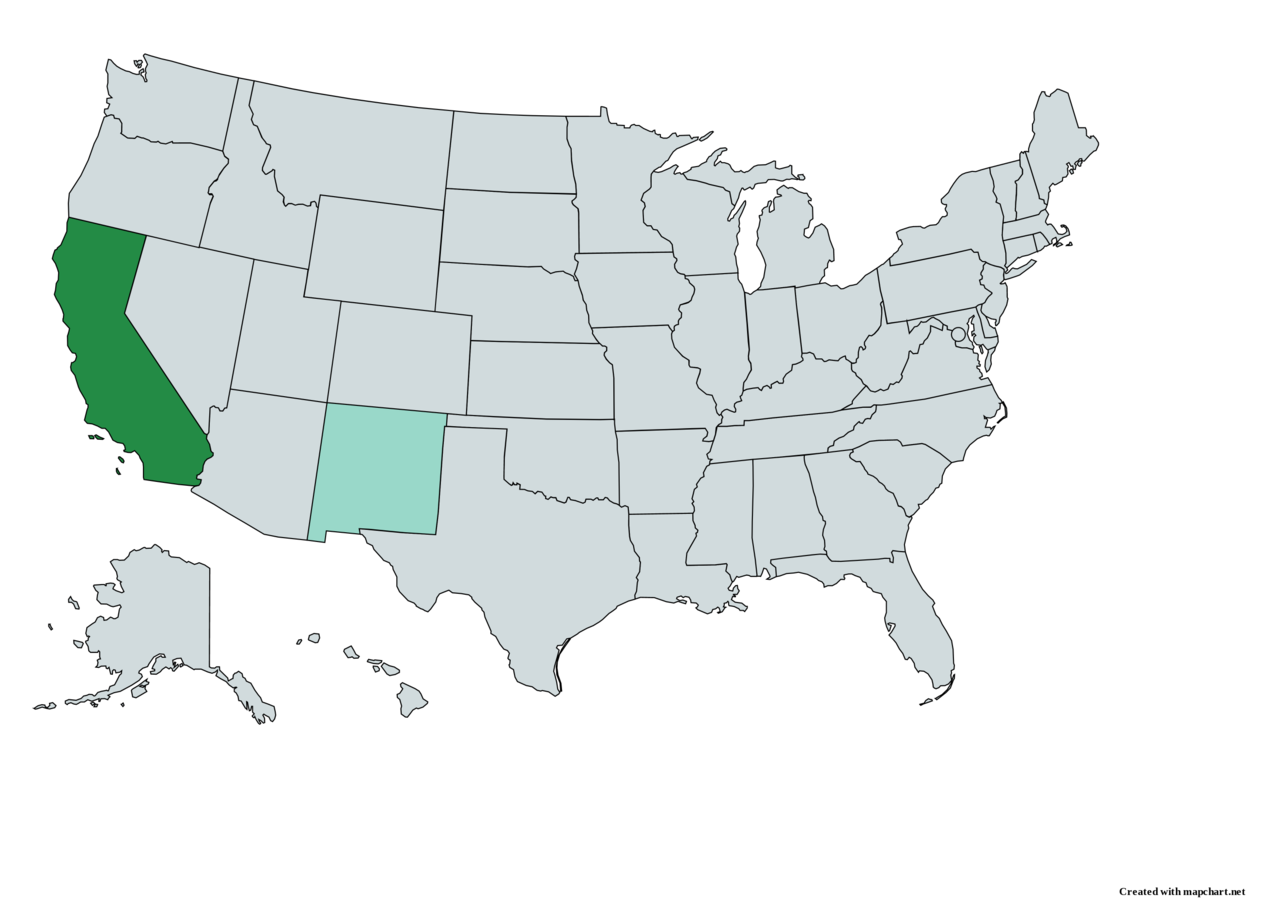


Major court rulings and federal developments
The legal landscape for LGBT people has been profoundly influenced by federal court rulings. The U.S. Supreme Court has issued decisions that affect privacy, marriage and equal protection. A landmark ruling, Obergefell v. Hodges (2015), held that same-sex couples have a constitutional right to marry, establishing marriage equality across all states. Other federal actions have addressed employment nondiscrimination, military service policies (including the repeal of "Don't Ask, Don't Tell"), and access to federal benefits. Implementation of policies that affect transgender service members and participation in certain programs has changed over time and remains a subject of legal and administrative action.
Anti-discrimination laws and hate crimes
Protections against discrimination based on sexual orientation and gender identity differ by jurisdiction. Some states and localities prohibit discrimination in employment, housing and public accommodations, while others do not. Nationwide, there has been incremental progress: many states and the District of Columbia have enacted statutory protections, and federal hate-crimes legislation has recognized bias-motivated violence against LGBT people. The Matthew Shepard and James Byrd, Jr. Hate Crimes Prevention Act expanded federal authority to investigate and prosecute bias crimes based on sexual orientation and gender identity; for more on hate-crime law, see hate crimes resources. Overall, twenty-one states plus Washington, D.C. prohibit discrimination on the basis of sexual orientation, and sixteen states plus D.C. prohibit discrimination on the basis of gender identity or expression.
Family law, adoption and parental rights
Family-related rights—including marriage, adoption, assisted reproduction and parental recognition—have been among the most visible areas of change. After marriage equality was established, same-sex couples generally gained access to the same federal benefits and recognition as opposite-sex couples, but state family-law procedures and practical outcomes (for example, parentage statutes and adoption rules) can still vary. Courts and legislatures continue to address questions about assisted reproductive technology, surrogacy contracts and the recognition of parental relationships across state lines.
Activism, organizations and ongoing issues
Advocacy groups play a major role in shaping public policy, litigation and public education. National organizations such as the Human Rights Campaign are prominent in advocacy and public reporting, while many regional and local groups engage on state-level issues. Current policy debates include the scope of nondiscrimination protections, access to health care for transgender people, participation in sports, religious exemptions to public-accommodation laws, and the rights of LGBT youth in schools and child welfare systems.
Key points and distinctions
- Federal court rulings and federal statutes provide a baseline of rights, but state laws affect day-to-day implementation and additional protections; consult state resources and anti-discrimination law guidance for specifics.
- Marriage equality is established nationwide, but related family-law matters (parentage, adoption, assisted reproduction) may still produce varied outcomes.
- Legal protections for sexual orientation and gender identity are not uniform; see summaries of sexual orientation and gender identity protections for current maps and statutes.
- Hate-crime statutes and enforcement can provide additional remedies for bias-motivated violence; see federal and state hate crimes materials.
The rights and recognition of LGBT people in the United States continue to evolve through legislation, litigation and social change. For readers seeking more detailed legal guidance or updates, consult authoritative legal sources, government publications and organizations focused on civil rights and LGBT law.
Related articles
Author
AlegsaOnline.com LGBT rights in the United States Leandro Alegsa
URL: https://en.alegsaonline.com/art/57657
Sources
- scotusblog.com : "Opinion Analysis: Marriage Now Open to Same-Sex Couples"
- hrc.org : "Employment Non-Discrimination Laws on Sexual Orientation and Gender Identity"
- hrc.org : "What We Do"