
Letheringham
Letheringham is a small village and civil parish in Suffolk, England, noted for its parish church and the remains of a medieval priory; it had a population of 74 in the 2001 census.
Overview
Letheringham is a small rural village and civil parish in eastern England, situated within the area formerly administered as Suffolk Coastal and in the county of Suffolk. It is typical of many low‑density Suffolk parishes: agricultural land surrounds a few clusters of houses, a church, and the vestiges of older buildings. According to the 2001 census the parish population was 74.
Image gallery
2 Images
History and landmarks
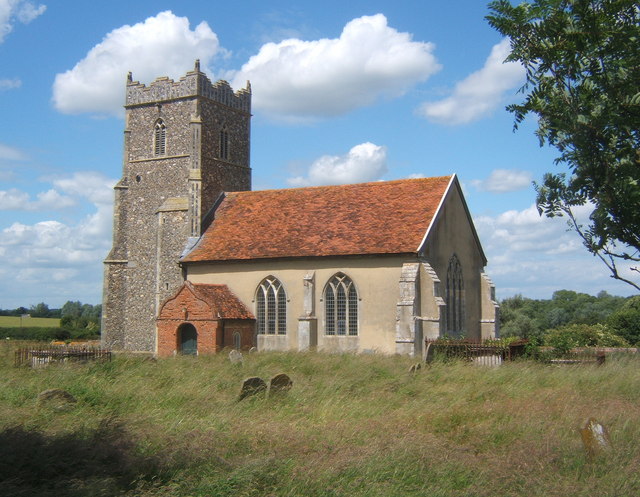
The village grew around medieval ecclesiastical foundations. Close to the parish church dedicated to St Mary are the visible remains of a medieval priory complex. The church itself contains historic fabric and funerary monuments that reflect Letheringham's long local history and its connections with county gentry. Much of the former monastic property was converted or reused after the medieval period, and surviving earthworks and masonry mark the former extent of the religious house.
Characteristics and community
Letheringham is characterised by a dispersed settlement pattern, farmland, hedgerows and lanes rather than a dense centre. As a civil parish it forms the lowest tier of local government and participates in wider district and county services. The small population means there are limited facilities within the village itself; residents typically travel to nearby larger villages or towns for shops, schools and services.
Importance and distinctions
- Contains the parish church of St Mary, a focal point for local heritage and occasional community events.
- Site of a medieval priory, represented today by ruins and archaeological remains that attract local historical interest.
- Representative example of a small East Anglian rural parish, illustrating patterns of agriculture, settlement and landholding in Suffolk.
Visitors and researchers interested in rural history, parish churches or monastic remains will find Letheringham a compact case study of England's medieval and post‑medieval landscape.
Related articles
Author
AlegsaOnline.com Letheringham Leandro Alegsa
URL: https://en.alegsaonline.com/art/57493
Sources
- genuki.org.uk : GENUKI
- ons.gov.uk : "Local statistics - Office for National Statistics"
- suffolkchurches.co.uk : "Suffolk Churches"