
Les Six — a French group of early 20th‑century composers
Les Six were six young French composers grouped around 1920 who reacted against Romantic and Impressionist trends, favoring clarity, brevity, and popular influences; they later developed distinct careers.
Overview
Les Six is the informal name applied to a circle of six French musicians who became identified with one another in the years around 1920. The label was popularized by the critic Henri Collet after an association of younger composers attracted notice in Paris; an earlier champion, Erik Satie, described them as a new generation. Although the term suggests a unified school, the six were linked more by friendship, shared reactions to prevailing trends, and a brief period of collaboration than by a single, doctrinal style.
Image gallery
2 Images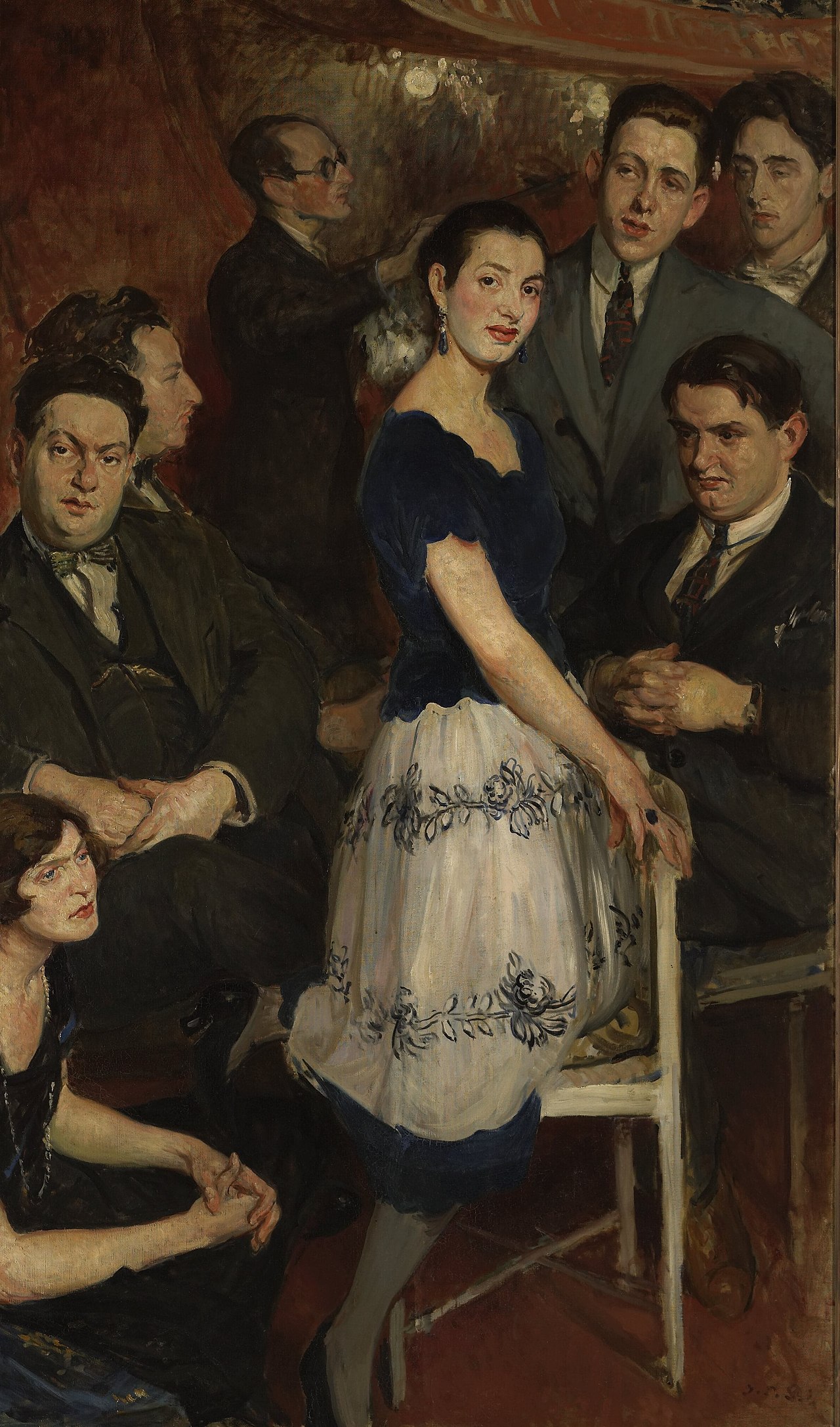

Members and distinguishing traits
- Georges Auric — later known for theatrical and film music, often concise and pungent.
- Louis Durey — the most independent politically, with a varied output that later reflected his convictions.
- Arthur Honegger — attracted to larger forms and a more dramatic, orchestral approach.
- Darius Milhaud — drew on jazz, Brazilian music and polytonality; prolific and stylistically wide-ranging.
- Francis Poulenc — noted for lyricism, wit and a gift for melody across both serious and popular modes.
- Germaine Tailleferre — the group’s only woman, admired for clarity, charm and classical balance.
The six are often collectively described as composers who resisted the dominating influences of Germanic Wagner and late-Romantic traditions, while also distancing themselves from the clouded textures of French Impressionism. They valued economy, directness and, frequently, a deliberate simplicity.
Origins and stylistic aims
Les Six emerged in a post‑World War I Paris where musical debates were intense. Influences ranged from the iconoclastic simplicity of Satie and the literary provocations of Jean Cocteau to the rhythmic innovations of Stravinsky. They reacted against elaborate chromaticism and the perceived excesses of late-Romanticism, and sought alternatives to the modal colorism of Debussy and Ravel. At the same time many welcomed popular sources, including jazz, cabaret and dance-band styles, and they often preferred short forms and clear textures over sprawling symphonic argument. They intended simplicity without naivety, and clarity without uniformity.
Collaborations, works and examples
Although each composer developed an individual voice, the group produced a few collaborative items that helped fix the name in public attention. Notable examples of their shared projects and early publications brought them visibility in the Parisian musical scene. Their repertoire includes small piano pieces, songs, ballets and incidental music; many pieces emphasize brisk pulse and transparent scoring rather than dense contrapuntal texture or experimental serial systems such as twelve‑tone technique. Their rhythmic vocabulary could be robust or playful rather than obsessed with complex irregular rhythms.
Legacy and distinctions
By the mid‑1920s the individual members had drifted apart artistically and pursued diverse careers: film scores, symphonies, chamber music, sacred works and popular songs. Their collective moment remains important for marking a shift in French musical tastes toward a neoclassical tendency, an embrace of contemporary popular idioms and renewed interest in formal clarity. Historians treat Les Six as a useful label for a particular Parisian phenomenon rather than a rigid school; the group illustrates how social ties, critical framing and short-lived collaborations can influence perceptions of a national musical era.
For further contextual reading about the period and its debates see references on early 20th-century French music and commentary on the move away from Romanticism and Impressionism: French musical life, the 1920s milieu, and commentary on broader stylistic contrasts such as Wagnerian influence versus the turn toward modern popular idioms. More specialized discussions consider how the group's choices contrasted with the use of extended Impressionist color, the percussive impulses of Stravinsky and the adoption (or rejection) of international currents such as jazz.
Readers seeking introductions to individual members will find widely available anthologies and recordings that showcase the variety within Les Six: from Honegger's dramatic orchestral works to Poulenc's songs, Milhaud's rhythmic experiments and Tailleferre's elegant miniatures.
Questions and answers
Q: What does Les Six mean?
A: Les Six means "The Six" in French.
Q: Who were Les Six?
A: Les Six were a group of six French composers who were friends around the year 1920.
Q: What did Erik Satie call Les Six?
A: Erik Satie called Les Six "Les Nouveaux Jeunes".
Q: Who gave Les Six their name?
A: Henri Collet gave Les Six their name in an article he was writing.
Q: What kind of music did Les Six try to be different from?
A: Les Six tried to be different from Richard Wagner and other composers of Romantic music, and different from Debussy and Ravel who had been writing Impressionistic music.
Q: What kind of music did Les Six like?
A: Les Six liked strong, masculine music, especially jazz.
Q: Did Les Six stay together for a long time?
A: No, Les Six did not stay together for very long as they soon developed their own personal styles in their compositions.
Related articles
Author
AlegsaOnline.com Les Six — a French group of early 20th‑century composers Leandro Alegsa
URL: https://en.alegsaonline.com/art/57399