
Les Sièges — commune in the Yonne department of France
Les Sièges is a small rural commune in the Yonne department of Bourgogne-Franche-Comté, central France. The article describes its setting, governance, history, economy and local points of interest.
Overview
Les Sièges is a rural commune located in the Yonne department within the administrative region of Bourgogne-Franche-Comté in central France. As with many French communes, it functions as the lowest tier of local government and typically centers on a village or small group of settlements surrounded by agricultural land.
Image gallery
1 Image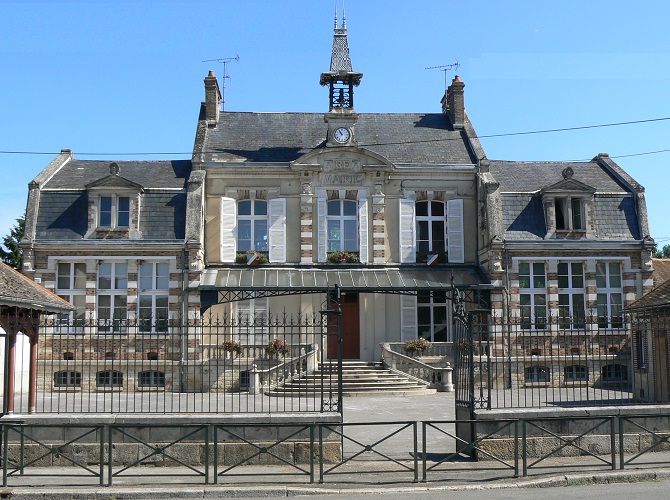
Geography and environment
The commune sits in a landscape characterized by rolling fields, hedgerows and mixed woodland typical of the Yonne countryside. Nearby rivers and minor roads connect residents to larger towns. The local climate is temperate, with seasonal variation that supports cereals, pasture and some vineyards in the broader region, although production varies by locality.
History and development
Like many communities in the region, Les Sièges has roots that likely reach back to medieval settlement patterns centred on a parish church and farmland. Over centuries, rural depopulation and agricultural modernization have reshaped daily life, leaving a mix of historic buildings, small farms and more recent homes.
Administration and economy
Governed by a mayor and municipal council under the structures of the French Republic and the department, Les Sièges provides local services appropriate to a small commune: maintenance of communal roads, local planning and community events. The local economy is predominantly agricultural, supplemented by artisans, rural tourism and commuting to nearby towns for employment.
Sights, services and activities
- Village church or chapel and communal cemetery, often the focus of local heritage.
- Rural walking routes, scenic lanes and seasonal markets that illustrate local life.
- Community events and traditional commemorations common to small French communes.
- Proximity to regional attractions and services in larger centres of central France.
Visitors or those researching Les Sièges will find a typical example of a small Yonne commune: modest in size, rooted in agricultural tradition, and connected administratively to departmental and regional structures while preserving local identity.
Related articles
Author
AlegsaOnline.com Les Sièges — commune in the Yonne department of France Leandro Alegsa
URL: https://en.alegsaonline.com/art/57398
Sources
- insee.fr : INSEE