
Leonid Kharitonov — Russian bass-baritone singer (1933–2017)
Leonid M. Kharitonov was a Russian bass-baritone noted for his powerful voice and televised performance of the "Song of the Volga Boatmen"; he received high state honors and performed widely.
Overview
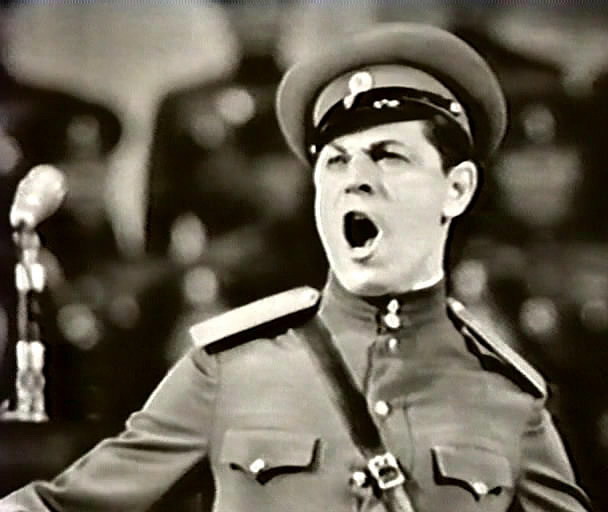
Leonid Mikhailovich Kharitonov (born 18 September 1933) was a Russian singer celebrated for his bass-baritone voice. His Russian name is often given as Леонид Михайлович Харитонов. Kharitonov gained international recognition, particularly after a widely seen 1965 filmed performance of the traditional "Song of the Volga Boatmen," which introduced many listeners outside the Soviet Union to his sound and stage presence. He died on 19 September 2017 in Moscow at the age of 84, leaving a recorded and broadcast legacy.
Image gallery
7 Images




Voice, style and repertoire
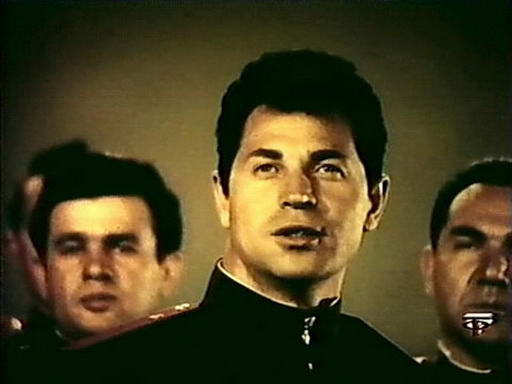
Described as a bass-baritone, Kharitonov's voice combined the depth associated with bass singing and the flexibility of a baritone. In vocal terms the bass-baritone category permits a range and timbre suited to both folk and certain operatic roles; Kharitonov applied this versatility to popular Soviet songs, traditional Russian choral items and concert repertoire. His performances were marked by clear diction, dramatic phrasing and a commanding stage manner that suited both solo numbers and ensemble pieces.
Career and public profile
Kharitonov worked extensively in concert, on radio and television at a time when filmed musical performances could reach broad domestic and international audiences. The filmed interpretation of the Volga boatmen's song helped establish his reputation in some European countries and among foreign viewers after it circulated beyond the Soviet context. He appeared in recorded programs, festival concerts and broadcasts that emphasized Russian and Soviet song traditions.
Awards and recognition
Throughout his life Kharitonov received state honors recognizing his artistic contributions. He was formally celebrated with titles including People's Artist and Honoured Artist, reflecting official recognition of his status in the performing arts. These honors place him among the prominent vocalists of his generation in Russia.
Background and context
Born in Irkutsk when it was part of the Soviet Union, Kharitonov's career unfolded during a period when state broadcasting and concert circuits shaped public musical life. His work illustrates how traditional material, such as folk songs, could attain wide cultural currency through media distribution. In accounts of mid‑20th century Russian singing he is often mentioned alongside performers who bridged popular, folk and concert repertoires.
Notable facts and further reading
- One of his most widely seen performances was the 1965 filmed "Song of the Volga Boatmen," which reached audiences in other parts of Europe and beyond.
- Kharitonov spent his final years in Moscow, where he died in 2017.
- Recordings and television clips continue to circulate and introduce new listeners to his voice.
For those interested in recorded examples and biographical summaries, archival footage and compilations of Soviet-era concerts often include Kharitonov's work; such material provides a direct sense of his timbre, style and the repertoire that defined his public image.
Related articles
Author
AlegsaOnline.com Leonid Kharitonov — Russian bass-baritone singer (1933–2017) Leandro Alegsa
URL: https://en.alegsaonline.com/art/57233
Sources
- classicalmusicnews.ru : Скончался Леонид Харитонов