
Leonid Gaidai — Soviet film director of popular comedies
Leonid Gaidai (1923–1993) was a Soviet film director best known for fast-paced slapstick comedies like Operation Y, The Diamond Arm and Ivan Vasilievich, which remain widely popular in Russian-speaking countries.
Leonid Gaidai (30 January 1923 – 19 November 1993) was a Soviet film director celebrated for creating some of the most enduring comedies of the Soviet era. Born in Svobodny, Amur Oblast, Gaidai directed a string of box-office hits that combined physical farce, witty observation of everyday life and memorable characters. His films continue to be broadcast and quoted across the former Soviet Union.
Image gallery
4 Images


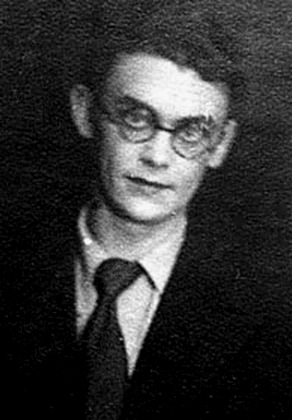
Style and themes
Gaidai’s work is characterized by brisk pacing, visual gags, and clearly drawn comic situations. He blended slapstick and satire: scenes often rely on timing and physical humor, while stories gently mocked bureaucracy, petty criminality and social foibles without overt political invective. Recurring motifs include comic duos and trios, awkward antiheroes, and inventive sight gags.
Notable films
- Operation Y and Shurik's Other Adventures — a collection of short, linked episodes centered on a well-meaning protagonist.
- Kidnapping, Caucasian Style — a romantic and absurdist adventure set against regional stereotypes.
- The Diamond Arm — a crime-comedy that became one of the most popular Soviet films of its time.
- Ivan Vasilievich: Back to the Future — a time-travel farce adapted from a stage play, noted for its rapid-fire humor.
Biography and career
Gaidai began working in cinema during the postwar decades and rose to prominence in the 1960s and 1970s. He collaborated with a stable of comic actors who helped make his characters iconic. Over his career he earned wide public acclaim and various official recognitions typical for prominent cultural figures in the Soviet system.
Legacy and significance
Decades after their release, Gaidai’s films remain cultural touchstones: lines and scenes are often quoted, and television airings attract large audiences. He influenced later generations of Russian and regional filmmakers who draw on his combination of visual comedy and social observation. Gaidai died in 1993, but his comedies continue to shape how many remember Soviet popular culture.
Related articles
Author
AlegsaOnline.com Leonid Gaidai — Soviet film director of popular comedies Leandro Alegsa
URL: https://en.alegsaonline.com/art/57231