
Lemps, Ardèche — commune in southern France
Lemps is a rural commune in the Ardèche département of Auvergne‑Rhône‑Alpes. This article summarizes its setting, administration, history, economy, and visitor information for a concise regional overview.
Overview
Lemps is a small French commune located within the Ardèche département in southern France. As a commune it forms the basic level of local government in France and typically includes a village center surrounded by agricultural land, hamlets and wooded areas. The community is one of many rural municipalities that contribute to the character of the Ardèche region.
Image gallery
1 Image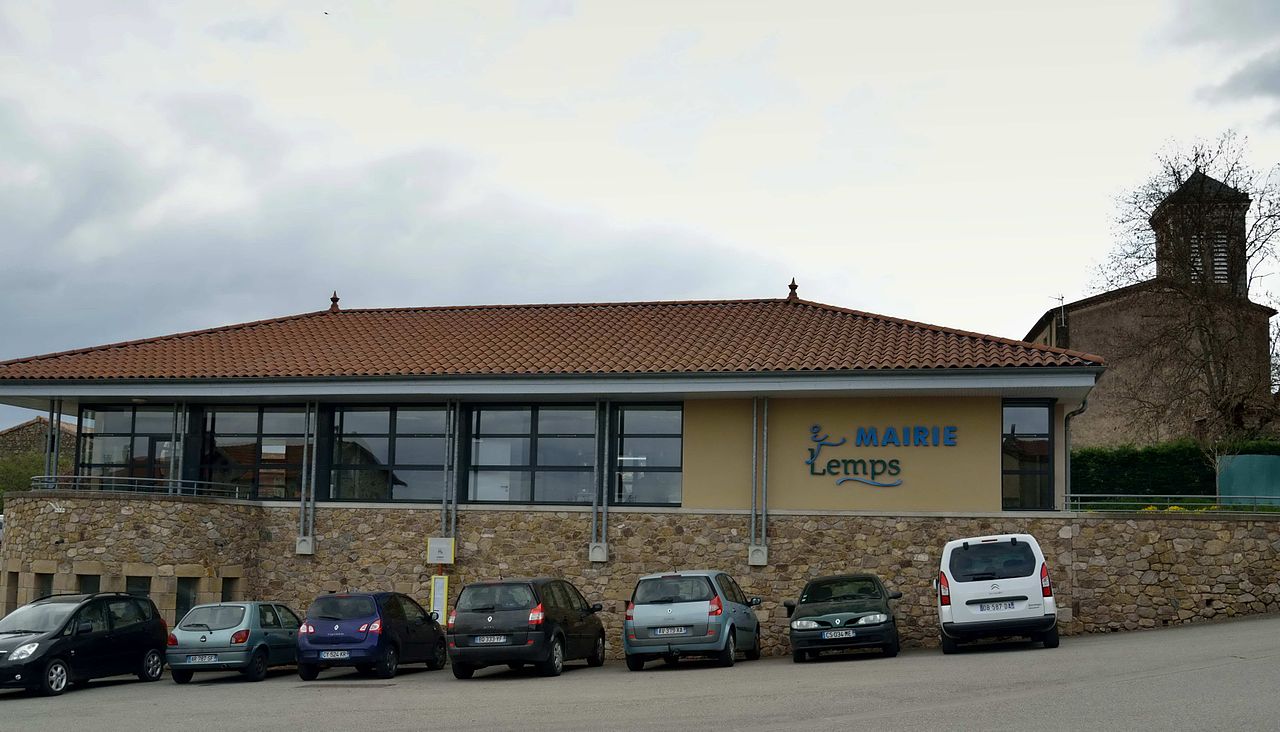
Geography and administration
Lemps lies in the varied landscape of Ardèche, characterized by a mix of low valleys, modest hills and small forests. The commune is administered by a municipal council and mayor under the French territorial system and is linked to wider departmental and regional structures for services and planning. Local roads connect it to neighboring communes and larger towns in the Auvergne‑Rhône‑Alpes region.
History
The settlement history of Lemps reflects the broader rural development of Ardèche: long-standing agricultural activity, village life centered on a parish and periodic rebuilding in the 18th and 19th centuries. Architectural traces such as an older church, farmhouses and stone walls indicate layers of past occupation, while archival records and local traditions preserve memories of peasant agriculture and craft trades.
Economy, culture and uses
The local economy is primarily rural, combining mixed farming, small-scale artisanal businesses and services for residents. Cultural life often revolves around communal events, markets and seasonal festivals that celebrate regional products and traditions. Nearby natural attractions and trails draw visitors interested in walking, cycling and rural tourism, supporting guest accommodation and local producers.
Visiting and notable features
- Village center with traditional rural architecture and a communal church or chapel.
- Surrounding farmland and woodland offering walking and nature observation.
- Local markets, seasonal festivals and artisan producers typical of Ardèche life.
- Access via departmental roads to larger regional transport links and nearby tourist sites.
For those researching French communes or planning a visit to Ardèche, Lemps illustrates the small‑scale rural communities that make up much of the department. It serves as an example of local administration, traditional countryside economy and regional cultural life within southern France.
Related articles
Author
AlegsaOnline.com Lemps, Ardèche — commune in southern France Leandro Alegsa
URL: https://en.alegsaonline.com/art/57113