
Lee Byung-chull: founder of Samsung Group
Lee Byung-chull (1910–1987) was a South Korean entrepreneur who founded Samsung and guided its growth from a small trading firm into a major conglomerate central to Korea’s industrialization.
Overview
Lee Byung-chull (Korean: 이병철; 1910–1987) was a South Korean businessman best known as the founder of Samsung. He began his career as a trader and built Samsung from a modest trading firm into a diversified family-controlled conglomerate (chaebol) that played a major role in South Korea’s economic development.
Image gallery
2 Images
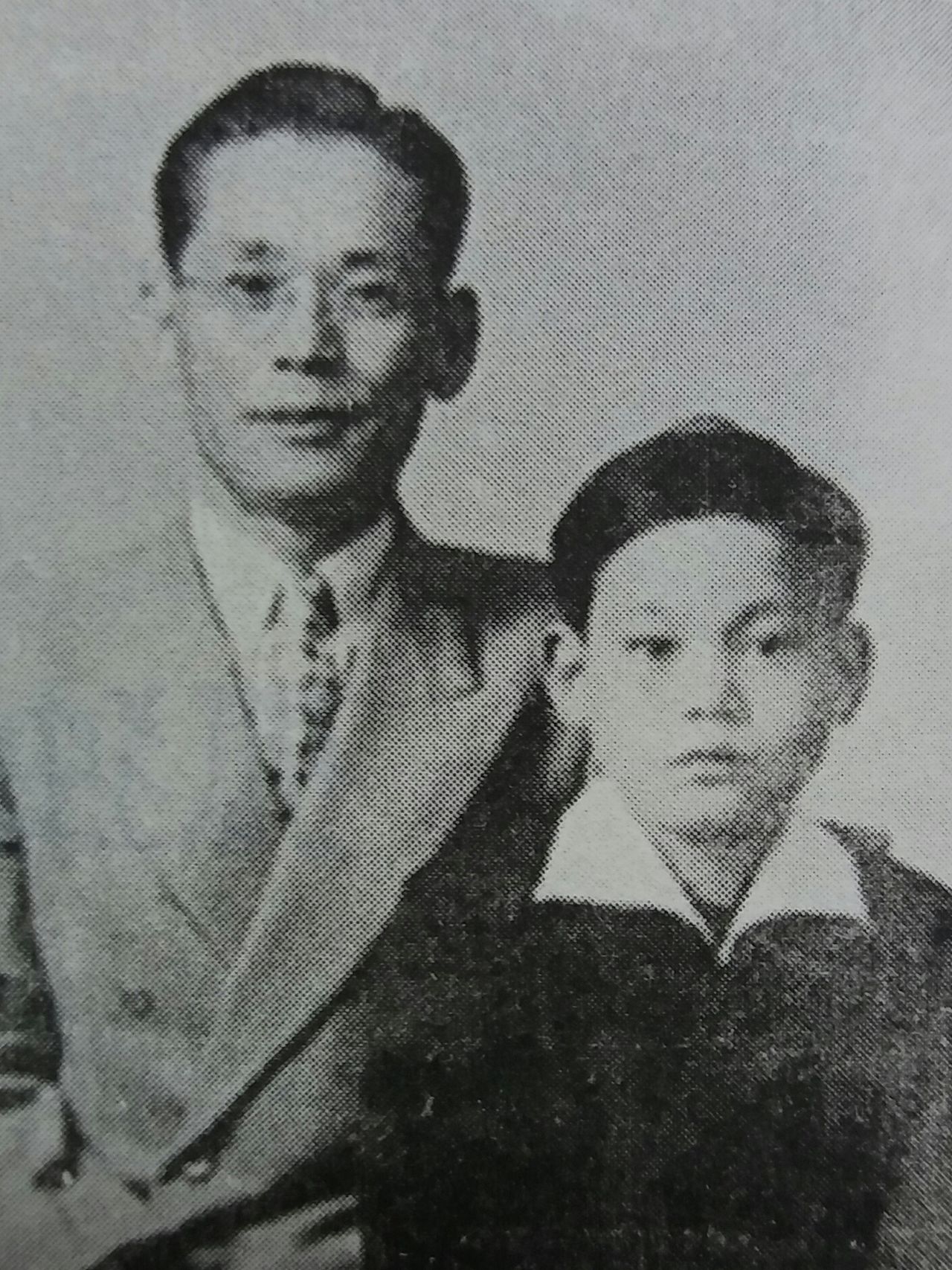
Early life and founding
Born in the early twentieth century in what is now South Gyeongsang Province, Lee launched Samsung in 1938 as a small trading company. In its earliest years the firm concentrated on exporting agricultural and dried goods, then gradually broadened into other markets. Over the following decades Lee steered the company through wartime disruption, postwar recovery, and rapid industrialization.
Growth into a conglomerate
Under Lee’s leadership Samsung diversified into manufacturing, heavy industry, finance and services, creating multiple affiliated companies. Some of the major businesses that trace their origins to the group include:
- Samsung Electronics
- Samsung Heavy Industries
- Insurance and trading affiliates
Historical significance and legacy
Lee Byung-chull is widely viewed as a central figure in South Korea’s postwar industrialization and in the development of the chaebol model: large, family-led conglomerates with broad influence. He handed leadership of Samsung to the next generation in the 1980s; the group continued to expand globally after his death in 1987. His legacy is mixed—celebrated for industrial achievement and economic contribution, and debated for the concentration of corporate power in Korea.
Notable facts
Lee’s career illustrates the transformation from small-scale trade to international industry. Samsung, which began as a local trading house, evolved into one of the country’s largest and most recognizable corporate names, with substantial impact on technology, shipbuilding and finance in the late 20th century.
Related articles
Author
AlegsaOnline.com Lee Byung-chull: founder of Samsung Group Leandro Alegsa
URL: https://en.alegsaonline.com/art/56882