
Armavir, Armenia — history, archaeology, and regional significance
Armavir is a city in western Armenia and capital of Armavir Province, notable for very early habitation, nearby Urartian ruins (Argishtikhinili), a multi-layered history of imperial rule, and agricultural importance.
Overview
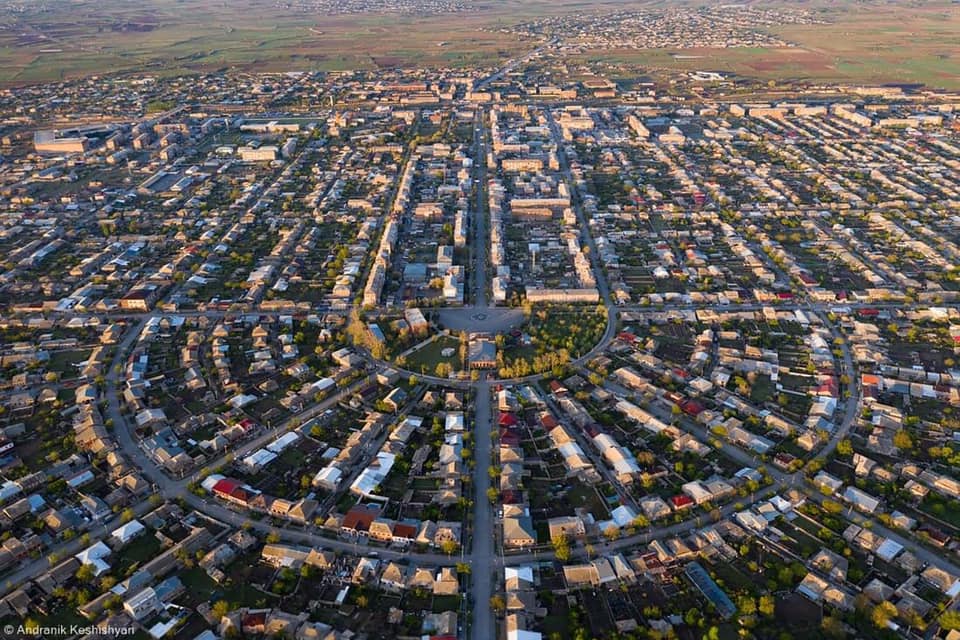
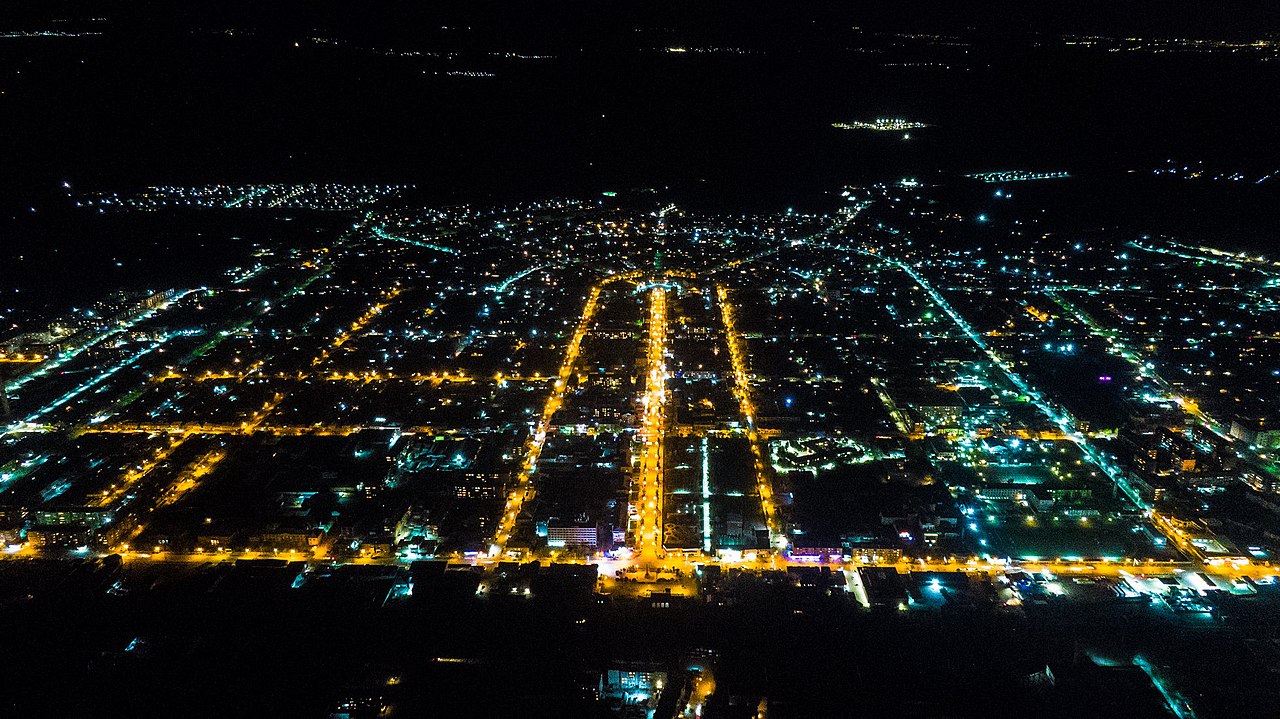
Armavir is a city in western Armenia and the administrative center of Armavir Province. Archaeological evidence indicates human occupation in the area from the 5th–6th millennium BCE, making it one of the region's oldest continuously settled zones. Modern Armavir functions as a local hub for administration, trade and services in an agricultural region, and it is often visited for its nearby archaeological sites and regional collections. Armavir has a layered urban history that connects prehistoric settlement with later classical and medieval phases.
Image gallery
8 Images





History and archaeology
Local tradition and historical sources link the site to early Armenian state formation, and the area entered the written record in the first millennium BCE during the era of the kingdom of Urartu. Excavations in the vicinity have revealed remains attributed to an Urartian fortress established under King Argishti I, often identified with the site called Argishtikhinili. Over many centuries the locality lay at a crossroads and experienced successive periods of control by Hellenistic successor states, Parthian authorities, the Roman Empire, Sassanian Persia and the Byzantine Empire, before new political arrangements followed the Arab incursions of the 7th century CE.
Archaeological work at and near Armavir has uncovered fortification remains, traces of public and possibly administrative buildings, tombs and a sequence of cultural layers that illuminate local continuity and change. Finds from different periods help historians reconstruct aspects of regional trade, craft production and settlement organization.
Modern development
In later periods the area experienced the shifting influence of neighboring powers and local principalities. In the 19th century parts of historic Armenia, including this region, were drawn into the Russian imperial system, and in the 20th century the town became part of the Armenian Soviet Socialist Republic. During Soviet rule the town's official name was changed; following Armenia's independence the historic name Armavir was restored. Today the city combines municipal functions with cultural institutions that present local archaeology and history.
Economy, culture and access
Armavir Province is an agricultural heartland of Armenia and the city serves as a market and processing centre for crops, fruit and wine‑grape production. Local civic institutions, small museums and cultural centres curate finds from excavations and host exhibitions that interpret the long history of settlement in the area. The city is connected by regional roads and public transport to larger urban centres, making it accessible to visitors interested in archaeology, rural culture and regional history.
Significance
- One of the earliest known inhabited places on the Armenian plateau, with evidence back to the 5th–6th millennium BCE.
- Associated with the Urartian fortress of Argishtikhinili and with a prolonged sequence of historical rulers and empires.
- Serves today as the administrative capital of Armavir Province and a local centre for agriculture and heritage tourism.
Related articles
Author
AlegsaOnline.com Armavir, Armenia — history, archaeology, and regional significance Leandro Alegsa
URL: https://en.alegsaonline.com/art/5679
Sources
- armstat.am : 2011 Armenia census, Armavir Province