
Lebanon, Illinois — small city in St. Clair County, part of Greater St. Louis
Lebanon is a small city in St. Clair County, Illinois, in the Metro-East region of the Greater St. Louis area. It has a historic downtown, local services, and a mixed economy of agriculture and small business.
Lebanon is a small city located in Illinois, within the Metro‑East section of the United States — the suburban and exurban region east of St. Louis. It functions as a local center for surrounding rural townships while also serving residents who commute to larger nearby cities.
Image gallery
2 Images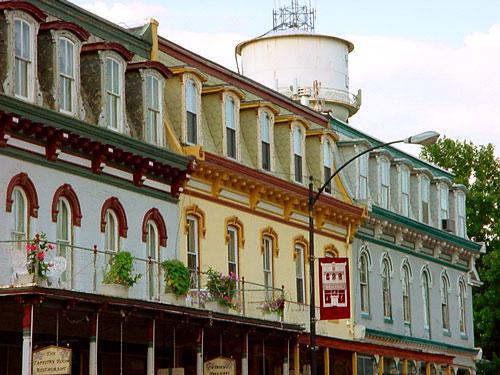

Overview
Lebanon has the character of a small Midwestern city: a compact downtown, residential neighborhoods, public schools, and community services. The population is measured in the low thousands, giving the place a close-knit feel. Local government, churches, volunteer organizations and civic groups play a visible role in everyday life.
Geography and transportation
The city sits amid a mix of farmland and gently rolling hills typical of southern Illinois. It is within driving distance of the St. Louis metropolitan transportation network, regional highways, and commercial centers, which makes it accessible for commuters and visitors while retaining a quieter, small-town setting.
History and name
Like many American towns, Lebanon developed during the 19th century as pioneers and settlers established farms and trade routes. Historical records show growth tied to agriculture and local commerce. The place name "Lebanon" appears in multiple U.S. communities and in this case reflects the naming choices of early settlers, preserved in local records and place names.
Economy, institutions and services
The local economy blends agriculture, light retail, professional services and trades. Public amenities commonly include a municipal hall, public schools, parks, and small health and service providers. Local festivals, high‑school sports and chamber of commerce activities form part of community life.
Notable features and context
- Acts as a regional hub for nearby rural areas while remaining within the orbit of the St. Louis metropolitan economy.
- Offers a mix of historic buildings and modern residential development.
- Typical local attractions and institutions include parks, community events, and small museums or historical societies preserving local heritage.
For more detailed civic information, municipal services or historical resources, consult local government pages and regional planning organizations represented by links and archives maintained by the city and county.
Related articles
Author
AlegsaOnline.com Lebanon, Illinois — small city in St. Clair County, part of Greater St. Louis Leandro Alegsa
URL: https://en.alegsaonline.com/art/56829