
Le Temple, Gironde
Le Temple is a small commune in the Gironde department of southwestern France. This article summarizes its location, administrative role, likely name origin, landscape context, and local life.
Le Temple is a small French commune located in the Gironde department in the southwest of the country. The settlement is one of many communes that make up France's lowest tier of local government; information about its municipal status and services is typically available from the local town hall and departmental records. For a basic administrative overview see commune.
Image gallery
1 Image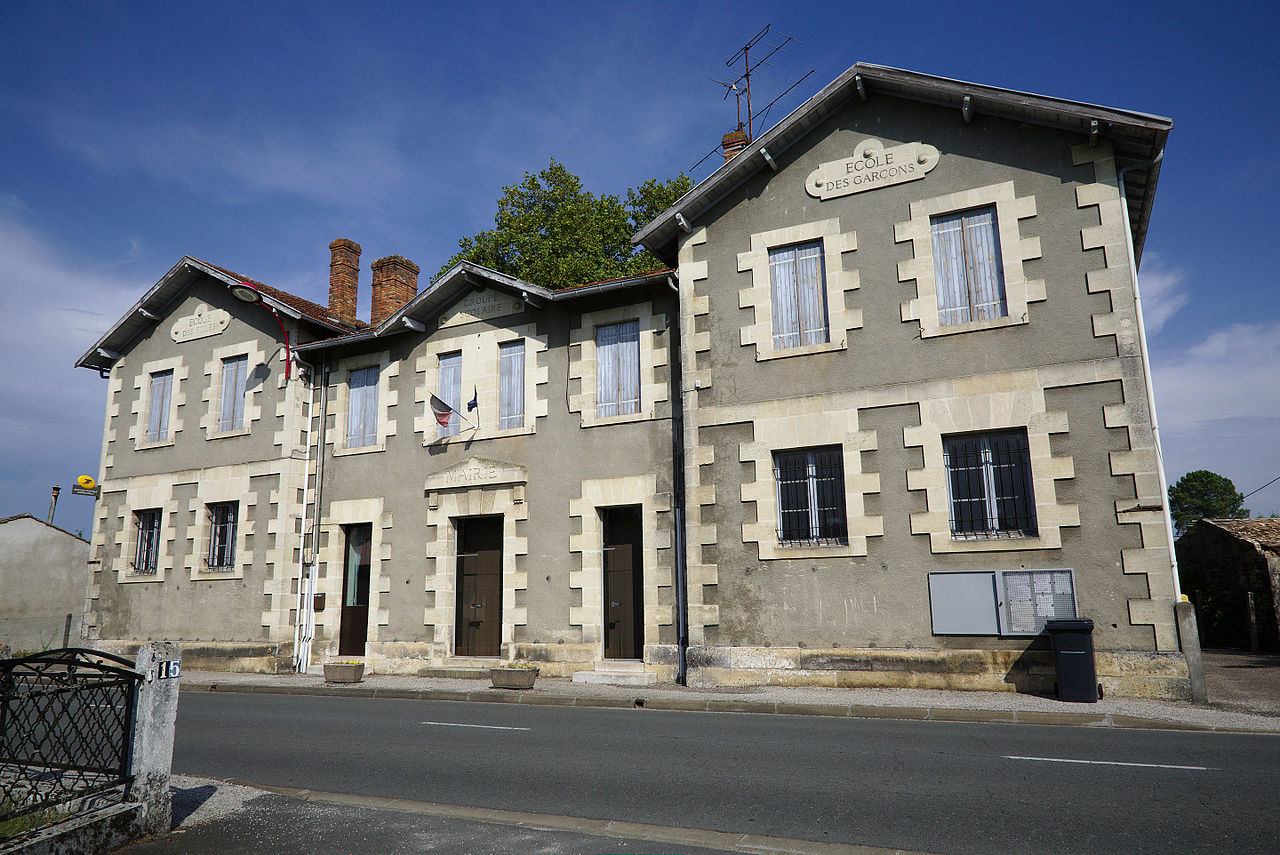
Location and regional context
Geographically, Le Temple lies within the historic territory of Aquitaine, a region with a long past that is today part of the larger administrative region of Nouvelle-Aquitaine. The department of Gironde stretches from inland countryside to the Atlantic coast and includes the city of Bordeaux; Le Temple shares the department's temperate climate and rural landscape character. For regional detail consult Aquitaine and broader descriptions at region resources.
Name and historical notes
The name "Le Temple" occurs in several places in France and often reflects a medieval connection to the Knights Templar or to lands once held by religious orders. While small communes rarely have large archives, local place names, property records and parish histories can point to such origins. Readers interested in historical associations should consult departmental histories of Gironde and regional heritage guides available through official cultural services.
Characteristics and local life
- Administrative role: operates a mairie (town hall) and municipal council as typical for French communes.
- Landscape: commonly rural, with farmland, woods and small village centers reflecting Gironde's varied terrain.
- Economy and daily life: often centered on agriculture, small businesses and community facilities.
More practical information—such as public services, events and local governance—can usually be found through departmental notices and tourist or civic portals: see department and national guides at France.
Although Le Temple itself may not be widely known beyond its immediate area, communes of this type contribute to France's cultural landscape by preserving local traditions, rural architecture and communal life. Visitors and researchers typically consult local archives, municipal publications and regional heritage offices for in-depth information.
Related articles
Author
AlegsaOnline.com Le Temple, Gironde Leandro Alegsa
URL: https://en.alegsaonline.com/art/56691